The clocks go back on Sunday — 3 steps to take tonight to thrive, not just survive, the shift to shorter days
If you're among the 34% of Brits who dread the clocks going back, here's what you can do from tonight to sail through the shift to shorter days.
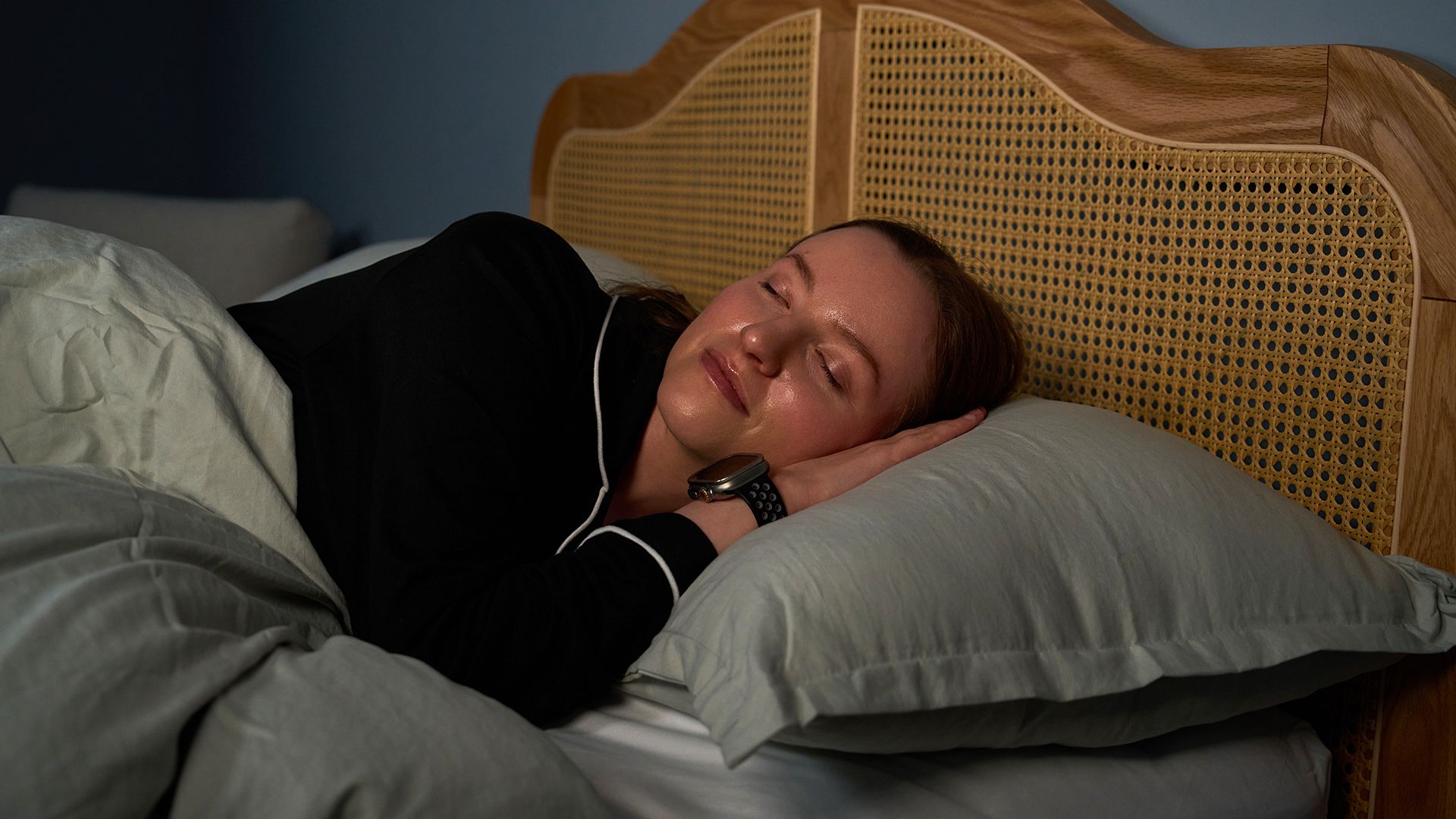
On Sunday, the clocks will go back one hour, effectively giving us an extra hour of sleep. However, many people struggle with the change, finding it challenging to adjust to the new time. To make the transition smoother, experts suggest taking three steps.
Firstly, Dr. Zoe Williams, an NHS GP and Dreams’ Resident Sleep Expert, recommends moving your bedtime slightly earlier in the days leading up to the change. Instead of making a drastic switch, gradually adjust your sleep schedule by 15 minutes earlier each day. This approach is gentler on your body compared to the abrupt change caused by the clock shift. When daylight savings begins in the spring, reverse the process and wake up and go to bed earlier.
Secondly, take advantage of the extra light upon waking. Opening the curtains first thing in the morning allows natural sunlight to enter your room. Exposure to sunlight is crucial for resetting your internal clock, as it is one of the most potent signals for regulating your circadian rhythm. If you find yourself feeling sleepy in the early evening, turning on the lights can signal your body that it's still daytime, helping you avoid an early bedtime.
Lastly, maintain your usual wind-down routine. Our bodies respond well to consistency, and even minor changes in routine can disrupt our sleep-wake cycle. Stick to your regular bedtime rituals, such as eating, exercising, and unwinding at approximately the same times each day. Additionally, ensure your bedroom is dark, cool, and comfortable to create the optimal environment for a restful night's sleep.
By following these three steps, you can sail through the time change more easily, avoiding the fatigue and other issues that often accompany the shift to shorter days.
Written by urgent.news from Tom's Guide's reporting — not their text. Machine-written — may contain errors; check the original before relying on it.