Sending a Silly Meme Is an Act of Love
The case for a common, occasionally annoying, and secretly sweet digital habit
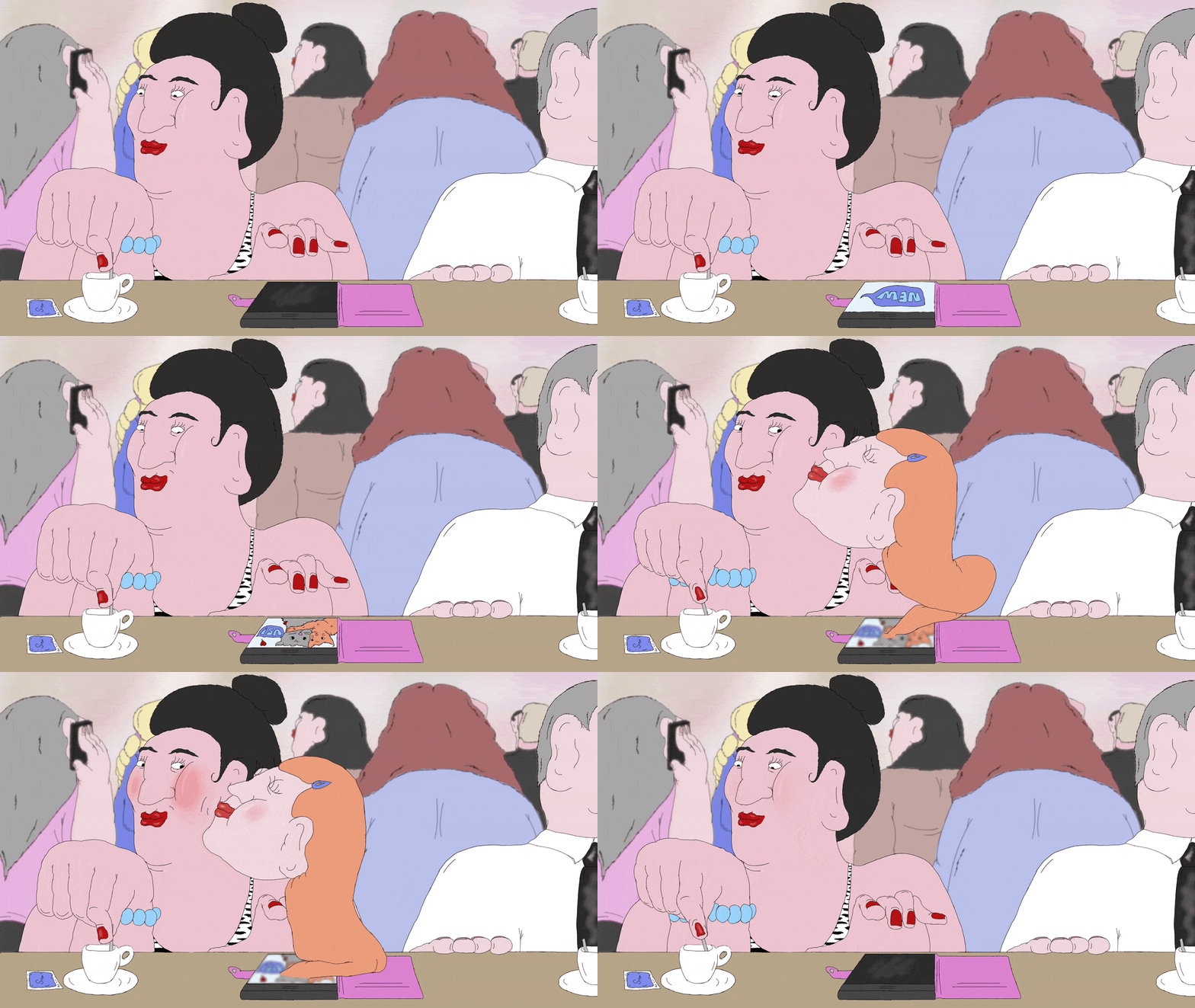
In the world of digital communication, an increasing number of individuals are sharing memes, often without much thought, to connect with others. These humorous or clever images have been exchanged for decades, with some originating from printed materials long before the internet era. While sending a meme may seem like a low-effort way to communicate, recent research suggests it can play a significant role in strengthening relationships.
Adam Grant, an organizational psychologist, has coined the term "pebbling" to describe the act of sharing carefully selected memes, similar to how gentoo penguins present pebbles to potential mates. For some, sending a meme is a way to express "I'm thinking of you," while for others, it can convey deeper meanings. People often curate their meme choices based on the recipient's interests and the shared cultural references within their relationship.
This selective sharing creates a sense of being part of a unique microculture, reinforcing the connection between the two individuals. Generally, memes are shared with close friends, romantic partners, or those with whom the sender feels comfortable. The most beneficial memes, according to research, generate conversation and shared memories.
Even if the recipient is initially hesitant to engage, the act of receiving a thoughtfully chosen meme can still foster a sense of connection. However, it is essential to avoid bombarding someone with an excessive number of memes, as this could be perceived as spammy behavior. Ultimately, sending a meme is a way of demonstrating that someone is on your mind, and while it may not always lead to a lively discussion, it can still be a valuable gesture in maintaining relationships.
Written by urgent.news from The Atlantic's reporting — not their text. Machine-written — may contain errors; check the original before relying on it.