Rottenheart's Kat Dunn on queering Hamlet and her favorite Gothic novels
In the latest Reading List, Rottenheart author Kat Dunn recommends Daphne du Maurier, Shirley Jackson, and more Gothic scribes.
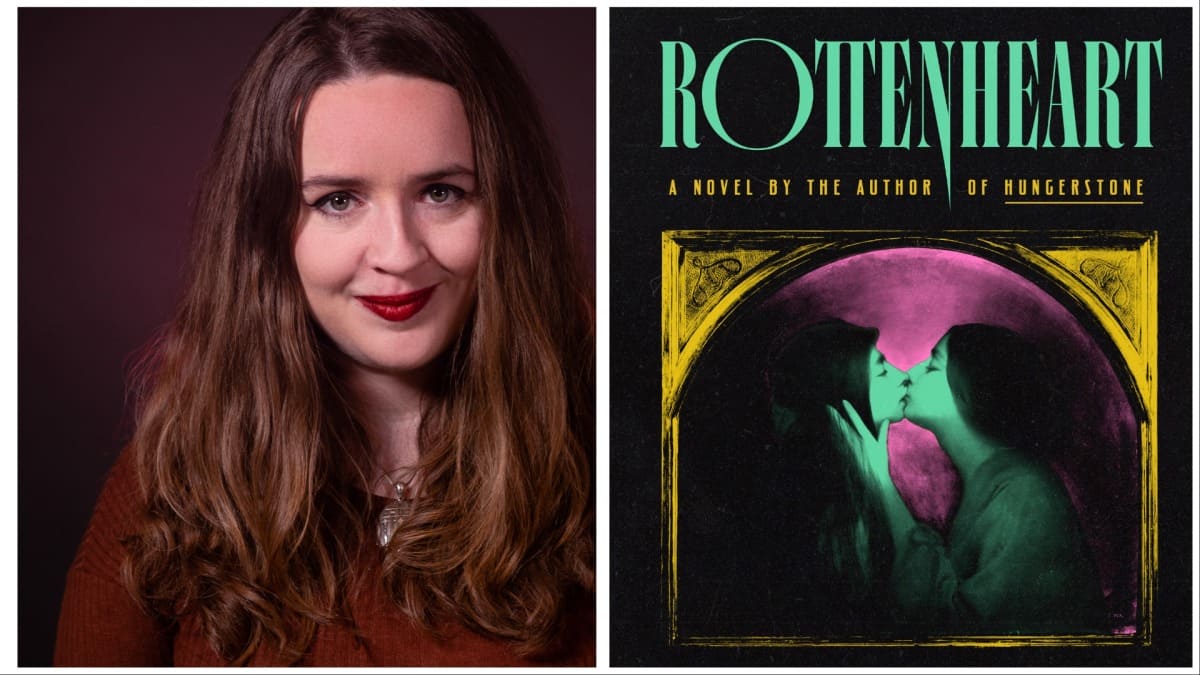
Kat Dunn’s critically acclaimed 2025 novel, Hungerstone, reimagines J. Sheridan Le Fanu's 1872 gothic vampire novella, Carmilla, in a Victorian-era setting, but her latest work takes this concept even further. Dunn has reimagined William Shakespeare's tragedy, Hamlet, as a Gothic tale of two young women caught in a cycle of maternal grief, inherited trauma, and desperate longing.
While the plot remains faithful to the original story, the novel's determinedly queer, female perspective offers fresh insights into motherhood, agency, and madness.
Dunn sat down with The A.V. Club to discuss her new novel, the enduring appeal of Gothic fiction, and her favorite Gothic novels. This interview has been edited for length and clarity.
Before diving into broader topics, the interviewer wanted to focus on Rottenheart. Dunn explained that Rottenheart is a gender-swapped retelling of Hamlet set in London in the 1890s, following Odette, whose mother dies and whose ghost comes to her, accusing her of her death and demanding revenge. Dunn likened the novel's plot to The Lion King, acknowledging its obvious similarities, but found that placing the story in a Victorian London setting made it a natural fit due to its inherent themes of madness, grief, and family struggles.
For Dunn, the idea of gender-swapping the story and making it queer came naturally. She recalled her first encounter with Hamlet in a West End production, where the young actors playing Hamlet, Ophelia, and Laertes emphasized the character's powerlessness and the unfairness of their situation. This revelation made her consider the story from a female perspective, allowing her to delve deeper into themes of madness, agency, and pain.
Gothic fiction has experienced a resurgence in popularity recently, and Dunn believes this trend is understandable given its inherent appeal. The genre naturally lends itself to darker themes, such as madness, grief, and family struggles, which resonates with readers. In her novel, Dunn aimed to combine these elements with a Victorian-era Gothic setting, creating a compelling story that explores the dynamics of motherhood, agency, and madness from a queer, female perspective.
Written by urgent.news from The A.V. Club's reporting — not their text. Machine-written — may contain errors; check the original before relying on it.