Revenue, inflation and 2027 Budget in focus as IMF opens Ghana PCI review
Ghana’s fiscal performance, revenue mobilisation and preparations for the 2027 Budget are expected to dominate discussions as an International Monetary Fund (IMF) mission begins formal engagements with the government today.
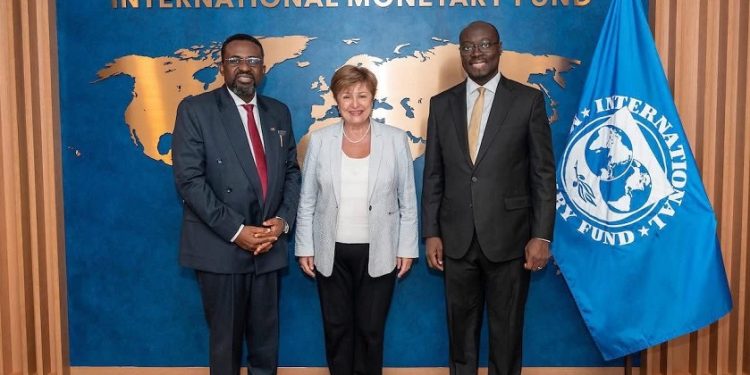
Ghana's fiscal performance, revenue collection, and plans for the 2027 Budget will likely be the main topics during an upcoming International Monetary Fund (IMF) mission, according to sources familiar with the visit. The mission, led by Dr. Ruben Atoyan, began formal engagements with the government today, with discussions centered on the country's economic situation over the first nine months of the year and policies needed to maintain recent progress.
The meetings are expected to cover Ghana's debt situation, how the government has been managing its spending for the rest of the year, and its budget plans for 2027, as the nation prepares to prioritize infrastructure investment in its upcoming budget. Monetary matters, such as Ghana's inflation-targeting framework, monetary policy, and foreign exchange arrangements, may also be a significant focus of the discussions.
The mission could evaluate the Bank of Ghana's financial standing, international reserves, and steps taken to protect the central bank's independence. Initial talks are anticipated to include representatives from the Ministry of Finance and the Bank of Ghana, with other crucial economic stakeholders possibly joining during the two-week visit.
Launched in July 2026, the Policy Coordination Instrument (PCI) visit is part of Ghana's collaboration with the IMF under the PCI, a non-financing framework designed to consolidate economic gains and sustain policy reforms. Although the PCI doesn't provide direct IMF funding, its review process offers the government a chance to showcase progress on its policy commitments and bolster confidence among investors and development partners.
Finance Minister Dr. Cassiel Ato Forson has previously described the PCI framework as an anchor for Ghana's next phase of reforms, aimed at enhancing economic resilience and promoting broad-based growth. He stated that the program would help preserve the gains made under IMF-supported reforms while reinforcing policy credibility and attracting private investments. The PCI enables countries to maintain close policy engagement with the IMF without receiving direct financing under the instrument.
The PCI aims to strengthen macroeconomic stability, tackle underlying economic imbalances, and build resilience against shocks. The IMF reviews the country's performance at regular intervals, typically every six months, and requires the country to meet standards comparable to those under lending arrangements. The IMF Executive Board must approve the PCI, unlike a Staff-Monitored Programme, which is an informal arrangement between IMF staff and a member country.
Written by urgent.news from MyJoyOnline Ghana's reporting — not their text. Machine-written — may contain errors; check the original before relying on it.