On this day in space! Oct. 22, 1992: Ashes of 'Star Trek' creator Gene Roddenberry launch into space on NASA shuttle
On Oct. 22, 1992, the space shuttle Columbia launched into space with the ashes of Gene Roddenberry, the creator of "Star Trek." Here's why it mattered.
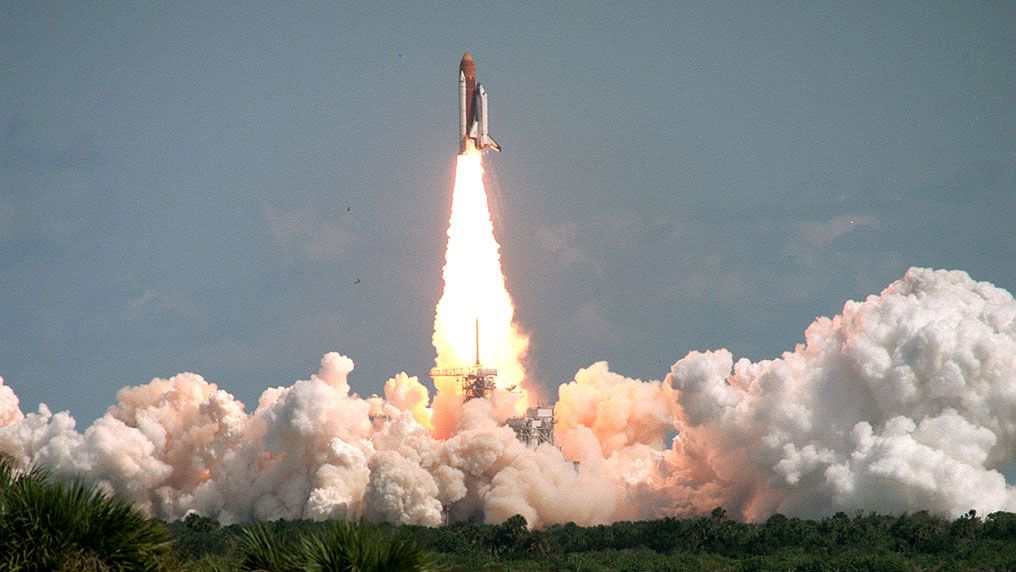
On October 22, 1992, NASA's space shuttle Columbia embarked on a historic mission, carrying the ashes of Gene Roddenberry, the visionary creator of Star Trek, on board. The mission, designated STS-52, saw NASA astronaut and shuttle commander James Wetherbee carry a small container containing a portion of Roddenberry's ashes as part of his personal effects, at the request of Roddenberry's widow, Majel Barrett.
Roddenberry had long dreamed of journeying to space, though he never had the opportunity to do so during his lifetime. It was only after his passing, nearly a year later, that his ashes finally made it to space, thanks to his devoted wife. The launch was kept a secret from the public until 1994, when NASA and Roddenberry's family revealed the remarkable achievement.
Commander Wetherbee expressed his honor in stating that it brought him joy to be entrusted with Roddenberry's ashes for this unique space burial. This momentous event marked the world's first space burial, setting a precedent for future celestial memorials. Following Roddenberry's flight, Celestis, a space memorial company, began launching a series of burial flights, with human cremains aboard rockets.
Over time, Roddenberry's ashes were joined by those of his wife and fellow Star Trek actor James Doohan, all making journeys into space. Celestis has since launched cremains on numerous suborbital and orbital flights, including some aboard SpaceX Falcon 9 rockets. The company even pioneered the launch of ashes to the moon, with astronaut Eugene Shoemaker's remains being sent to the lunar surface in 1999, and another set of cremains set to travel deep into space aboard the Enterprise mission in 2023.
Written by urgent.news from Space.com's reporting — not their text. Machine-written — may contain errors; check the original before relying on it.