Ng Joo Pong, perintis berbasikal Malaysia di pentas Olimpik
Ng Joo Pong bawa nama Malaysia ke dua temasya Olimpik, meninggalkan legasi sebagai antara perintis yang membuka jalan kepada generasi pelumba negara selepasnya.
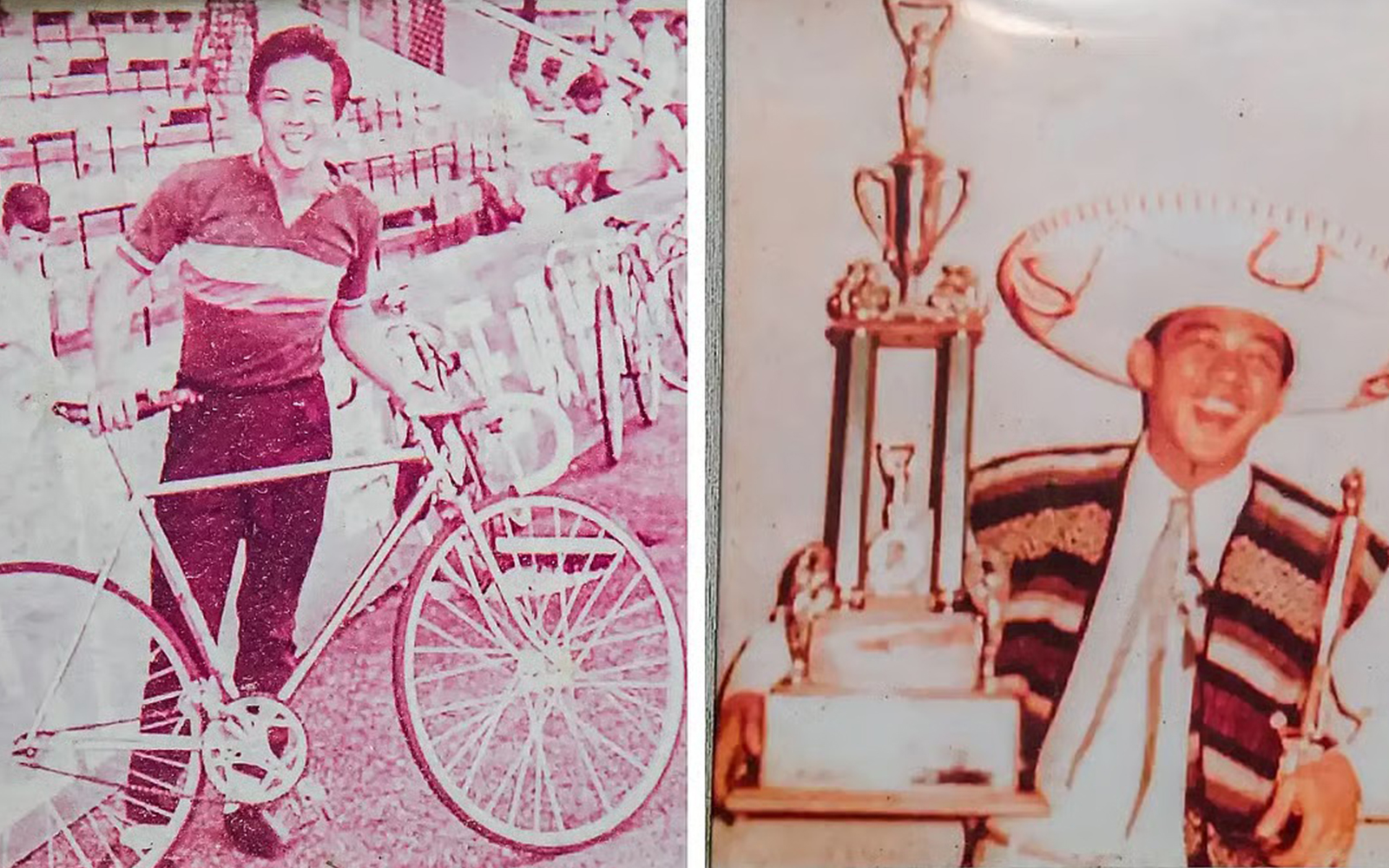
Ng Joo Pong, a pioneering cyclist from Malaysia who competed in the Olympic Games, grew up in a family of 17 children. His passion for cycling began at a young age when he occasionally took his father's bicycle without permission. Ng Joo Pong's journey to the Olympics began when he won a prize at a local competition and then went on to win a trophy at an international level.
He represented Malaysia at the 1964 Tokyo Olympics, followed by another Olympic appearance in Mexico City in 1968. Joo Pong's cycling career showcased the dedication, sacrifice, and bravery of a generation that built Malaysia's cycling sport despite limited resources compared to their competitors. Growing up in a family with 17 siblings, Joo Pong helped his family's water business in Batu 4, Jalan Klang Lama.
His love for cycling started when he occasionally took his father's bicycle without permission, which eventually led to him being awarded his first bicycle for RM75. This bicycle marked the beginning of his competitive racing career. His father, Swee Long, and brother, Joo Ngan, noticed his talent and encouraged him to train. Their weekend cycling sessions turned into training sessions when his father overtook them on a motorcycle to ensure their safety.
Winning prizes involved drinking milk from a cow in Brickfields, while losing meant walking home in silence without much conversation. The story of Joo Pong evolved alongside the development of cycling sports when a national body was established in 1953. Without a velodrome for practice, young cyclists used roads and made use of whatever facilities were available.
Despite the lack of a velodrome for training, Joo Pong excelled when he won the individual 1,000m sprint at the 1963 Asian Cycling Championships in Kuala Lumpur. He also helped Malaysia win a silver medal in the team pursuit event at the same championships. Joo Pong raced to the podium at the Stadium Merdeka in the late 1960s when Malaysia still lacked a velodrome, and cyclists relied on determination and perseverance.
At the age of 18, he competed in the 1964 Tokyo Olympics, finishing 24th in the 1,000m time trial and Malaysia placed 32nd in the 100km team pursuit. He also participated in the team pursuit event. Four years later, Joo Pong returned to the Olympics in Mexico City for the road race event. Although he did not bring home any medals, his place in Malaysia's sports history is not solely determined by medals.
Joo Pong successfully introduced cycling to Malaysia when the country was still establishing itself in international competitions. His record at the Southeast Asian Games (SEAP) is impressive, with three silver medals and two gold medals in 1965 and 1967, respectively. He won another gold medal at the 1967 Asian Games. His performance at the 1970 Asian Games in Bangkok was his last major competition.
Joo Pong retired after the SEAP Championships when Malaysia began producing more talented cyclists. Joo Ngan and another Malaysian legend, Daud Ibrahim, continued the nation's success by achieving great victories and helping bring cycling from club races to the international stage. However, behind their achievements, there was a tragic family event that changed their lives.
In April 1969, their father died after being hit by a lorry while cycling with their children for morning practice. The son, who had always supported their dreams and ensured their safety on the roads, suddenly left them. The loss deeply affected both siblings. Joo Ngan took several months to recover his love for cycling after his father's death.
After retiring, Joo Pong worked selling lorries and occasionally drove taxis. His success in sports brought him fame and respect, but it did not guarantee a comfortable financial life. Stroke later impaired his mobility, and he spent over a decade in a wheelchair before passing away in three years. In October of the previous year, the Malaysian Olympic Association organized a visit to his home to honor his contributions to the nation's sports.
The president, Noraseela Khalid, along with sports legend Zaiton Othman, visited him in October 2025. During the visit, Noraseela read a certificate of appreciation from the World Olympians Association and the Olympic flag that commemorated his achievement as the National Cycler (OLY).
Written by urgent.news from Free Malaysia Today's reporting — not their text. Machine-written — may contain errors; check the original before relying on it.
This story
This is one outlet's version. Read the fullest account.
- Ng Joo Pong, perintis berbasikal Malaysia di pentas Olimpik freemalaysiatoday.com