Next Mass Effect game cancelled as EA shuts down legendary sci-fi RPG studio BioWare
The legendary RPG studio behind classics such as Star Wars: Knights of the Old Republic, Mass Effect, and Dragon Age is no more.
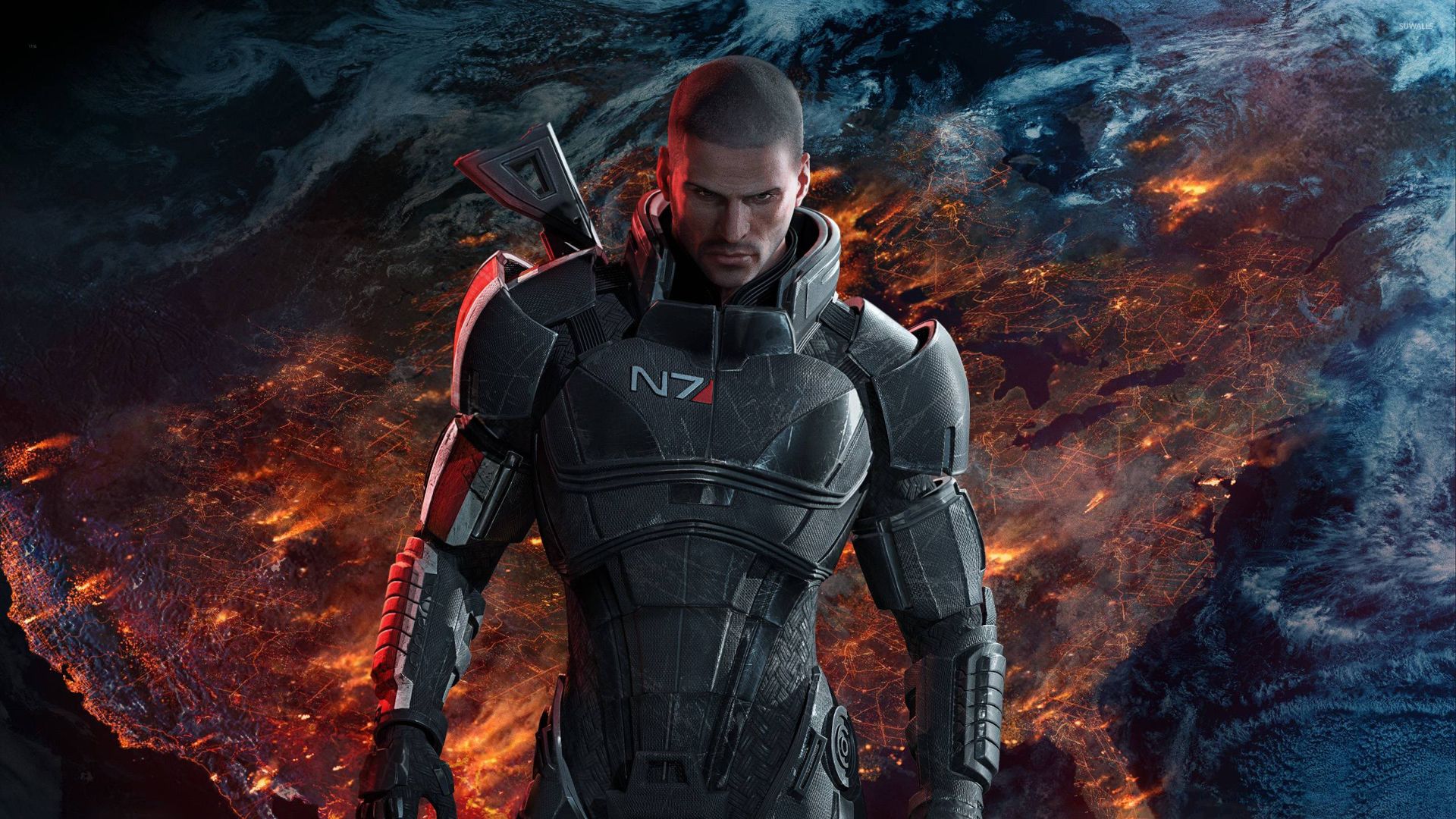
The storied BioWare, the creator of the beloved Mass Effect and Dragon Age series, has ceased operations as Electronic Arts (EA) shuts down the legendary RPG studio. Variety reported, corroborated by statements from EA and a message from BioWare on social media, that the company is eliminating 3% of its global workforce and ceasing BioWare's existence. This decision follows EA's transition to full private ownership this summer, with Saudi Arabia and private equity firms taking control of the studio and all its properties.
The cancellation of the next Mass Effect game, which had been in development since the early 2020s, came as a shock. According to Bloomberg's Jason Schreier, only about 50 employees remained at BioWare, suggesting the studio would have needed to expand its workforce significantly to complete development. Despite the studio's closure, EA retains ownership of the Mass Effect intellectual property.
Variety's report also includes updates on other projects under EA's umbrella, such as the live-action Mass Effect TV show still in development at Prime Video and the continuation of Marvel’s Iron Man game developed at Motive, as well as Respawn Entertainment's Star Wars Jedi 3. The layoffs have led to the formation of new studios, such as Archetype and Arcanaut, with former BioWare developers working on projects like the 2027 Mass Effect-inspired action RPG Exodus and Star Wars: Fate of the Old Republic.
Despite the challenges in the gaming industry, hopes are high for the success of these studios and developers.
Written by urgent.news from Space.com's reporting — not their text. Machine-written — may contain errors; check the original before relying on it.