Natur und Klima: Report: Fast alle Flachwasser-Korallenriffe stark bedroht
Hitze lässt Korallen ausbleichen, Überfischung und Küstenbebauung setzen ihnen zusätzlich zu. Noch könnten sich die Riffe erholen – doch was muss dafür geschehen?
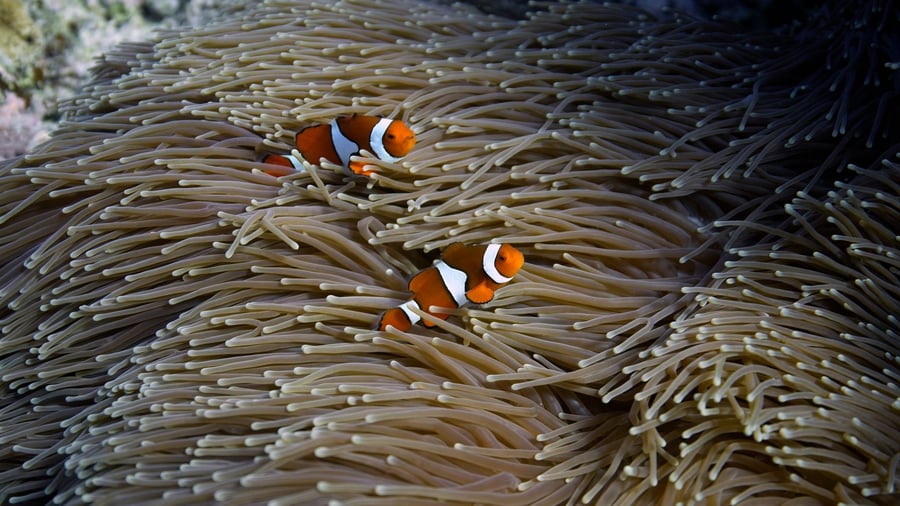
A groundbreaking study of all 127 shallow-water coral reefs worldwide reveals that 96 percent of these vital ecosystems are facing extinction, according to the International Union for Conservation of Nature (IUCN), which maintains the Red List of threatened species. This represents the highest risk category. Data shortages prevented assessment for four reefs.
These shallow reefs typically range between 40 meters and the ocean's surface, characterized by vibrant colors and high biodiversity, due to optimal water temperature and light penetration. Affected reefs include parts of the Great Barrier Reef in Australia, the Coral Triangle in the western Pacific and Southeast Asia, the Mesoamerican Reef System, and the Red Sea reefs.
The IUCN has now listed these shallow-water coral reefs on the Red List of ecosystems, a 2014 initiative assessing the risk of ecosystem collapse. Over 4,000 ecosystems have been documented on this list. Heat is the primary threat to coral reefs, which can only tolerate minimal temperature fluctuations. Elevated water temperatures cause corals to expel the symbiotic algae responsible for their nutrition, leading to bleaching and often death.
Marine heatwaves, a consequence of climate change, are becoming increasingly frequent. The IUCN experts relied on the World Climate Council's IPCC medium climate scenario, predicting a 2.7-degree rise in atmospheric temperature by the end of the century. The global community aimed to limit warming to 1.5 degrees above pre-industrial levels, but this goal now appears nearly unattainable.
Overfishing also burdens coral reefs, particularly in East Asia, the Caribbean, and Brazil, according to the IUCN. Parrotfish and surgeonfish maintain algal growth in check. Their absence would make reefs less resilient to heat stress. Coastal development, pollution, and excessive tourism may also endanger these reefs. Collapse of a reef means the loss of the hard coral foundation, with algae and sponges rapidly expanding.
The once-biodiverse system deteriorates, unable to sustain many marine species, from mollusks and sea cucumbers to fish, sea turtles, and sharks. Grethel Aguilar, IUCN Director-General, emphasizes that coral reefs clearly illustrate ocean health, hosting a quarter of all marine life. Coral reefs offer a chance for recovery, but only if decisive climate action is taken.
The IUCN is a network of government and non-government organizations in nature and species conservation, presenting its report at the World Nature Conference COP17 in Eriwan, Armenia.
Written by urgent.news from Handelsblatt's reporting — not their text. Machine-written — may contain errors; check the original before relying on it.