NASA’s Mike Lippert Takes Controls of X-59 for First Time
NASA test pilot Mike Lippert put months of simulator training and ground preparation into practice, completing his first flight in the agency’s X-59 quiet supersonic research aircraft. Lippert took off Oct. 21 from NASA’s Armstrong Flight Research Center in Edwards, California, and landed one hour later. During the flight, he reached a maximum speed of […] The post NASA’s Mike Lippert Takes…
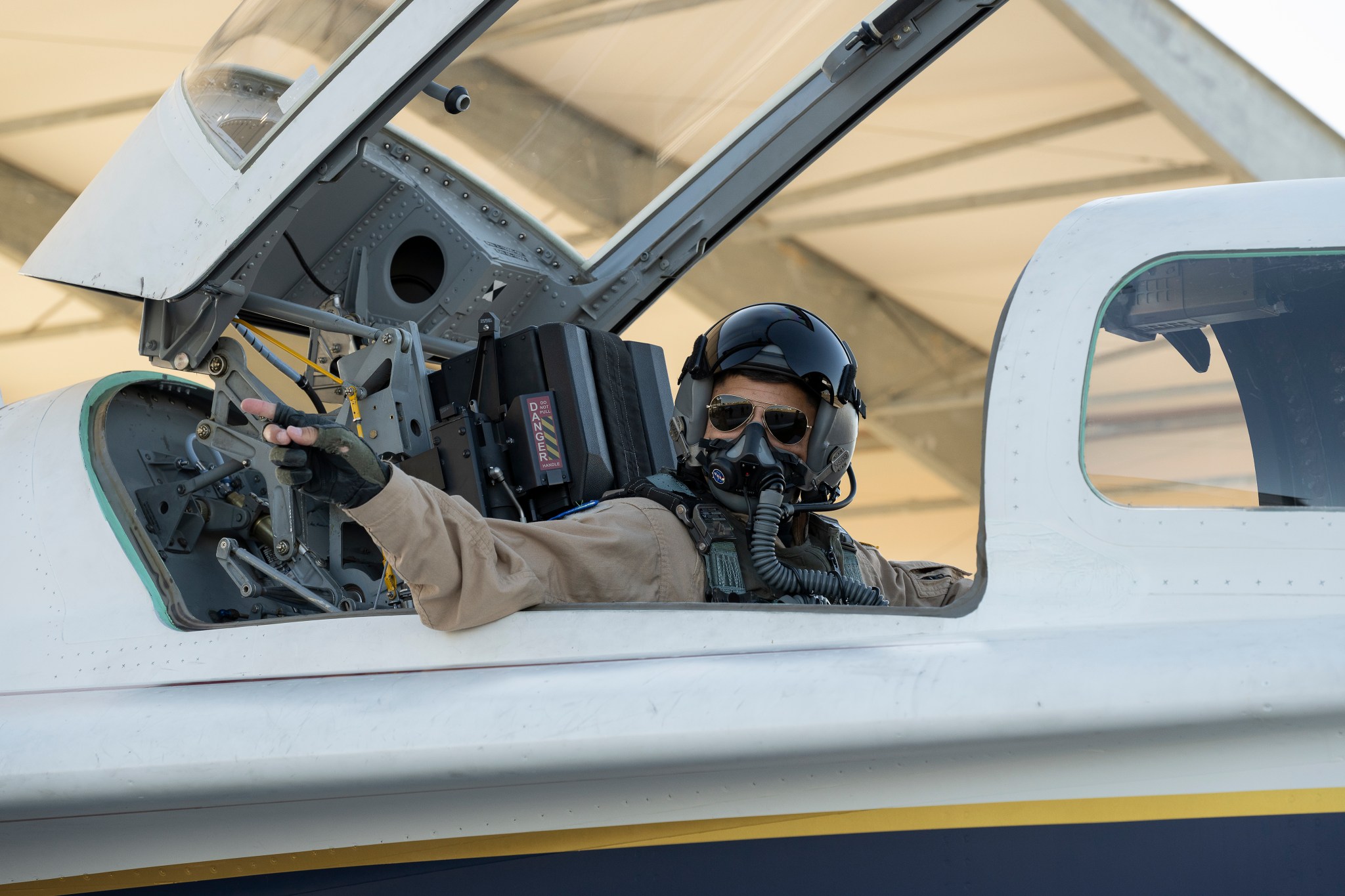
NASA test pilot Mike Lippert experienced a historic moment when he took command of the X-59 quiet supersonic research aircraft for the first time. The flight, which took place on October 21, 2026, at NASA's Armstrong Flight Research Center in Edwards, California, marked Lippert's initial opportunity to fly the X-plane after months of rigorous simulator training and ground preparation.
Lippert, who has spent nearly eleven years piloting high-performance aircraft, described the moment as "special" after reaching Mach 1.4 and an altitude of 55,000 feet during the flight. The X-59 has undergone numerous flights, but this marked the first time Lippert piloted the aircraft. "After completing our high-altitude test points, there was a brief period where we descended and decelerated, where I was able to look outside and recognize that I was flying supersonic in an X-plane over the high deserts of the Mojave," Lippert shared.
The flight occurred following maintenance and a review of the X-59's systems, following the aircraft's busiest week of testing to date. In September, the X-59 completed six flights in just three days, with Lippert performing various maneuvers to assess the aircraft's handling. Before the flight, Lippert spent months preparing, completing his first engine run in August, and logging extensive simulator time.
Lippert expressed his excitement about the milestone, stating that his dream had finally come true, testing a unique aircraft and working with an exceptional test team.
Written by urgent.news from NASA Science's reporting — not their text. Machine-written — may contain errors; check the original before relying on it.