Major cities: Untreated sewage, industrial wastewater posing risks to rivers, canals
HYDERABAD: Untreated domestic sewage and industrial wastewater from Pakistan’s major cities are posing serious risks to rivers, canals, groundwater and coastal ecosystems, threatening public health, aquatic life and water security in Sindh, water experts warned at a seminar held at Sindh Agriculture University (SAU), Tandojam, on Wednesday. The seminar was organized by the Department of Energy…
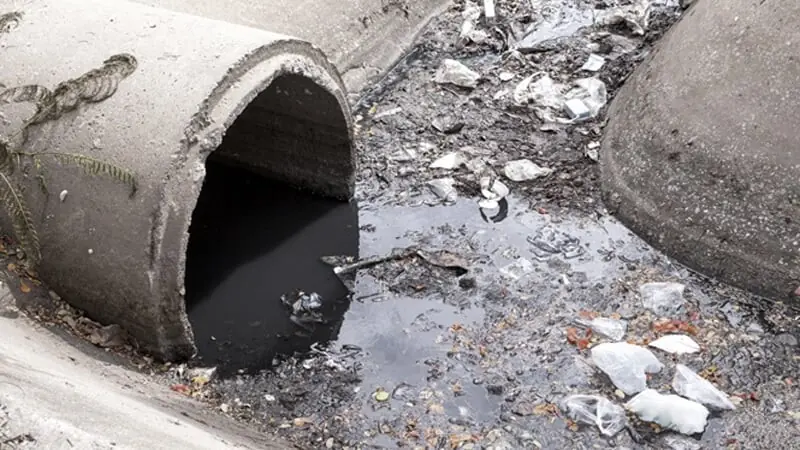
Hyderabad's water experts warned at a seminar that untreated domestic sewage and industrial wastewater from the country’s major cities are threatening rivers, canals, groundwater, and coastal ecosystems in Sindh. The seminar, held at Sindh Agriculture University Tandojam, focused on developing local wastewater treatment solutions for rural communities.
SAU VC Prof. Dr Altaf Ali Siyal stressed the need for scientific research, effective wastewater management, and coordinated measures to protect public health and the environment. He expressed concern over total dissolved solids (TDS) levels in the Indus River reaching around 1,000, calling for further investigation.
Dr Siyal also highlighted the deterioration of Manchar Lake, once a crucial freshwater resource, and the decline in mangrove forests along the Karachi coast, while noting an increase in mangrove coverage in Thatta and Sujawal areas. He warned that sugar mills in Thatta, Badin, and Sujawal were discharging untreated wastewater into Nareri Lake, causing severe environmental damage.
Dr Muneer Ahmed Mangrio, Dean of the Faculty of Agricultural Engineering and Technology, reported that Sindh has over 10,000 industries, with around 360 units in Hyderabad discharging wastewater without treatment into local water bodies. He emphasized the importance of effective industrial wastewater management to prevent further contamination.
Prof. Dr Mahmood Leghari, Principal Investigator of the research project, explained that many rural communities in Sindh lack centralized wastewater systems, making decentralized, low-cost treatment options vital for improving sanitation and public health. The research is exploring filter substrates such as gravel and biomass, combined with biochar, to treat domestic wastewater in decentralized systems.
PCRWR Deputy Director Dr Nazar Gul presented data on the annual wastewater generation in 10 major Pakistani cities, which totals approximately 1.334 billion cubic meters, primarily from Karachi, Lahore, and Faisalabad. He noted that this wastewater enters rivers, canals, drainage channels, agricultural lands, and the Arabian Sea.
Written by urgent.news from Business Recorder's reporting — not their text. Machine-written — may contain errors; check the original before relying on it.