Iran says it struck four vessels in Gulf, warns U.S. of broader response
The IRGC Navy said it had tracked the vessels before the strikes, adding that three others had hit mines west of the Strait of Hormuz
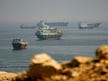
The Gulf region is exporting more oil now than it was before the US-Israeli conflict with Iran began on February 28, 2026, despite an increase in attacks on ships in the Strait of Hormuz. According to data from energy analytics firm Kpler, Gulf countries shipped an average of 24.6 million barrels per day (bpd) in the week ending October 18, surpassing the prewar average of 23.3 million bpd.
This surge in exports is happening as Iran continues to launch attacks on vessels in the Strait of Hormuz, with at least 12 attacks occurring in the past week, as reported by the UK Maritime Trade Operations. In response, Gulf states are utilizing ship-to-ship transfers, where smaller vessels load crude in the Gulf and deliver it to large cargo ships waiting outside the Strait.
This workaround has mitigated some of the impact of Iran's actions, though exports through the Strait of Hormuz remain about a third lower than before the war. Saudi Arabia has also been exporting more oil through the Red Sea, but exports through the Strait of Hormuz still account for more than a third of the Gulf's total.
Written by urgent.news from Middle East Eye's reporting — not their text. Machine-written — may contain errors; check the original before relying on it.
This story
This is one outlet's version. Read the fullest account.
- Gulf exports more oil than it did before Iran war despite surge in Hormuz attacks middleeasteye.net
- Oil is now flowing out of the Persian Gulf like before the Iran war. Why prices may still not come down anytime soon. marketwatch.com
- Gulf oil flows surpass pre-war levels despite Iranian attacks english.ajel.sa