IOC’s abdication over Russia is causing much angst as clock ticks down to LA28 Olympics
It’s baffling that sport’s global leaders are still prevaricating over Russia as the LA28 Olympics and Paralympics draw ever nearer, says Ed Warner. To Brentford FC’s Gtech Community Stadium last week for the second outing of The NEDwork, a gathering of chairs and non-executive directors from across Great Britain’s Olympic and Paralympic governing bodies. Russia’s [...]
The International Olympic Committee's (IOC) indecision over Russia's participation in the upcoming LA28 Olympics and Paralympics has left many in the sport world perplexed, according to Ed Warner. The issue was discussed at a recent gathering of chairs and non-executive directors from across Great Britain's Olympic and Paralympic governing bodies at Brentford FC's Gtech Community Stadium.
The main point of contention is the inconsistent approaches taken by the IOC, the International Paralympic Committee (IPC), and individual international sport federations in handling Russia's return to the Games.
Since the 2014 doping scandal and the country's invasion of Ukraine, the global sports leadership has struggled to agree on a coherent response to the challenges posed by President Putin's regime. The doping scandal at the Sochi 2014 anti-doping lab remains a stark reminder of the systemic doping that has damaged the relationship between the IOC and key sports, especially athletics, and has also caused a rift between the Olympic and Paralympic movements.
Initially, the response to the war in Ukraine was unified, aligning with the global condemnation of Putin's actions. However, the outright ban on Russian athletes has gradually diminished, influenced by various factors such as fatigue, legal advisors' caution, Russia's allies' softer stance, or realpolitik from those eager to gain favor with President Trump ahead of the LA28 Games. Consequently, attitudes towards Russian participation in international events are diverse and conflicting.
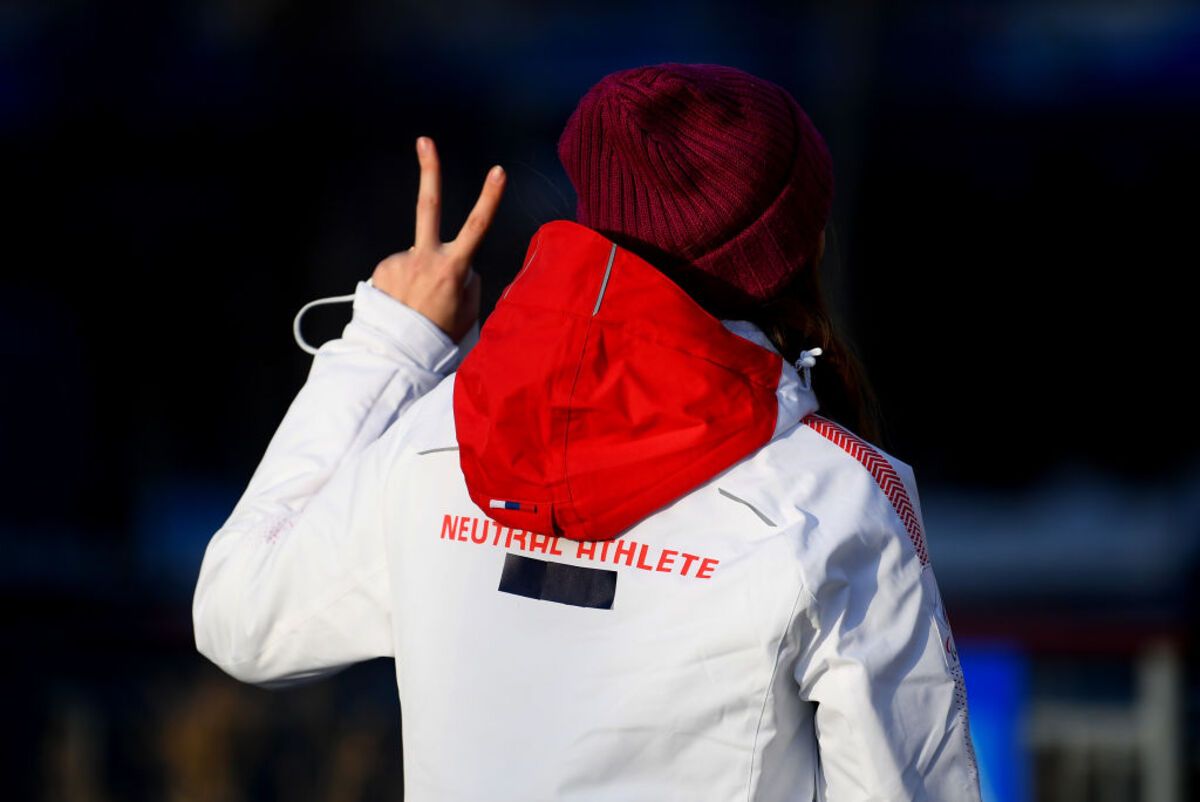
Athletics, for instance, still refuses to allow Russian participation, while other sports permit selected Russian neutrals without their national flag or anthem. The IPC has shifted from a hardline to a soft stance and has even surpassed the IOC in restoring Russian rights. In contrast, the IOC continues to follow the line that it is up to individual sports to decide their own policies.
This shifting position by the IOC has caused significant angst, particularly in Britain, where it is the organization's decision-making process that has come under scrutiny. The organization's leadership, consisting of pragmatic individuals who are keen to garner global approval, faces challenges when considering the influence of Russia's spheres of influence. Consequently, Western European arguments in favor of sporting sanctions are less effective than hoped or expected.
The quandary stems from the IOC's need to balance the interests of its member organizations and the athletes who compete for Team GB and ParalympicsGB. The organization must consider the composition of competitions and the potential medal prospects while ensuring that athletes remain the focus of media attention. Decisions to share a podium or welcome Russian athletes could be seen as a propaganda opportunity for the Russian regime.
Written by urgent.news from City AM's reporting — not their text. Machine-written — may contain errors; check the original before relying on it.