Hospitals deliberately targeted by Sudan’s RSF fighters, BBC investigation finds
A BBC investigation has found evidence that Sudanese paramilitary fighters systematically destroyed el-Fasher's healthcare system during their long siege and subsequent takeover of the city in Darfur a year ago.
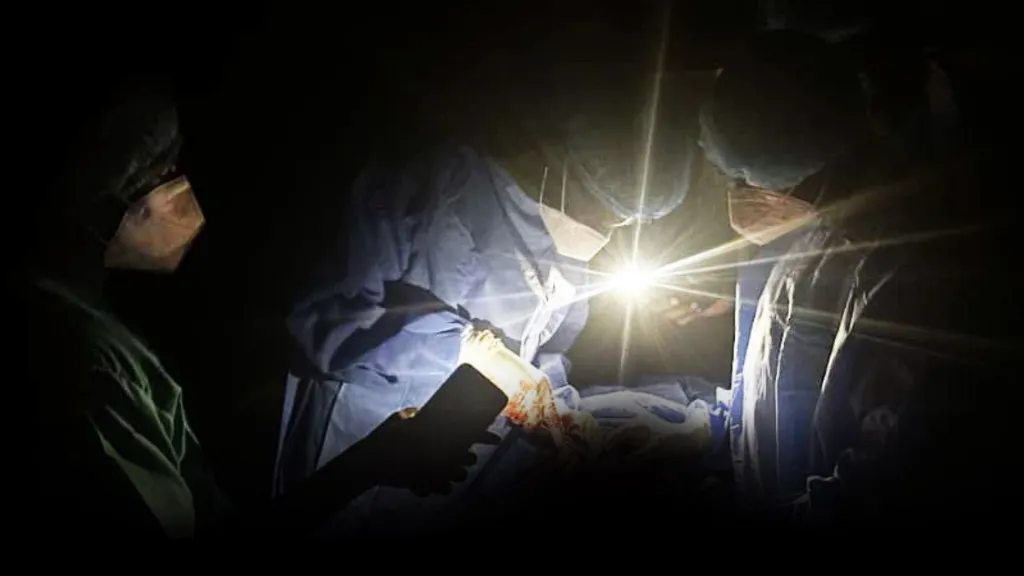
A BBC investigation has uncovered evidence that Sudanese Rapid Support Forces (RSF) fighters intentionally targeted healthcare facilities in el-Fasher, the capital of Darfur, during their year-long siege and takeover of the city. UN human rights chief Volker Türk called the findings "deeply disturbing," stating that multiple attacks by the RSF on civilian infrastructure, including hospitals, constituted serious violations of international humanitarian law and potentially war crimes.
The RSF has rejected the BBC's findings, with the group's health minister dismissing the allegations as propaganda.
According to the investigation, at least 43 separate attacks on hospitals and healthcare sites occurred between May 2024 and October 2025. The RSF targeted these facilities with the intention of rendering them inoperable, as Dr Muhamed Suliman, a surgeon based in el-Fasher during the siege, explained. He stated that the RSF aimed to put the health system "out of service" to deprive citizens of healthcare access.
Dr Mustafa Ahmed, a pharmaceutical specialist, recounted how the South Hospital, the city's main medical facility, was shelled multiple times during the RSF's assault, leaving many medical staff with no choice but to flee for their lives.
The impact on medical workers was staggering, with 120 injured, 55 killed, and 10 forcibly disappeared or abducted between April 2023 and October 2025. The WHO has condemned the bombing of al-Daein hospital in eastern Darfur, where dozens were killed and the facility forced to close. Sudan's military is suspected of carrying out these drone strikes but has denied responsibility.
The RSF-backed health minister, Dr Alaa Eldin Nugud, maintains that the South Hospital was being used as a military base by the RSF, citing maps of landmines planted around the site. However, the BBC found no independent evidence to support these claims, and the Darfur region government categorically rejected the allegations. The WHO has highlighted el-Fasher as one of the most severe examples of the impact of the conflict on healthcare in Sudan, characterizing the fighting as "one of the clearest and most severe examples of the wider impact of the conflict on health care in Sudan."
Written by urgent.news from MyJoyOnline Ghana's reporting — not their text. Machine-written — may contain errors; check the original before relying on it.