Ghana must prioritise agricultural extension services to boost food security – Dr Opoku Gakpo
Agricultural analyst Dr Joseph Opoku Gakpo has urged the government to prioritise agricultural extension services, saying stronger support for extension personnel is essential to helping farmers adopt innovations and improving food security in Ghana.
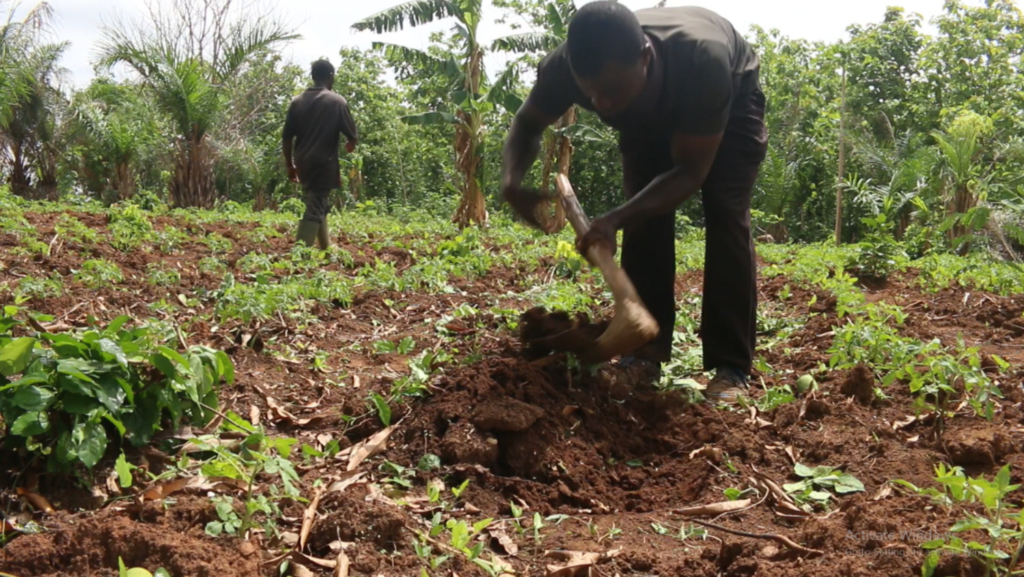
Agricultural analyst Dr Joseph Opoku Gakpo has called on the Ghanaian government to give top priority to agricultural extension services. He believes that stronger support for extension personnel is crucial in enabling farmers to adopt innovations and enhance food security in the country. During an interview marking World Food Day on October 16, Dr Gakpo stressed that investment in agricultural research would be futile if farmers lacked clear communication about innovations and could not convert them into practical solutions.
The theme for this year's World Food Day, "Innovate today. Nourish tomorrow," emphasized the significance of science and innovation in establishing sustainable food systems and guaranteeing food security for generations to come. World Food Day commemorates the establishment of the United Nations Food and Agriculture Organisation (FAO) in 1945 and raises awareness about hunger and malnutrition while promoting sustainable and resilient agrifood systems.
Dr Gakpo emphasized that effective extension services are necessary for innovations developed at universities and research institutions to reach farmers who require them, thereby maximizing the benefits of investments in agricultural research. Extension personnel require technical knowledge of crop and livestock production, soil health, pest management, post-harvest management, and marketing, along with strong communication and soft skills to convey scientific concepts clearly and establish trusting relationships with farmers.
Dr Gakpo cited research he co-authored with Dr Katherine McKee, which identified trust as a key factor in the adoption of new technologies. The study, published in the Journal of International Agricultural and Extension Education, recommended that entities introducing new technologies to farmers rely on trusted intermediaries, communicate effectively, encourage peer validation, and foster collaborative relationships.
The Ministry of Food and Agriculture (MoFA) in Ghana manages agricultural extension services through its Directorate of Agricultural Extension Services and regional and district structures. Dr Gakpo emphasized the need for deliberate and sustained investment in the nation's extension system due to the current inadequate staffing levels, which hinder the support available to farmers.
With approximately one agricultural extension officer for every 1,700 farmers, compared to the FAO's suggested ratio of about one officer for every 500 farmers, the gap underscores the necessity for more extension personnel and improved working conditions. He also highlighted the proposed Agricultural Extension and Advisory Services Bill being championed by MoFA as an opportunity to bolster the delivery and regulation of extension services in Ghana.
The bill aims to modernize extension service delivery and establish a clear legal and regulatory framework for agricultural extension and advisory services across the country. Dr Gakpo noted that provisions for professional oversight and regulating service providers could enhance the quality and accountability of extension services, ensuring that farmers receive more effective support.
Despite progress in the agricultural sector, a significant portion of Ghana's population, around 10%, remains food insecure, according to the Ghana Statistical Service. Dr Gakpo called for strengthening food systems beyond the emphasis on increasing production, urging the country to ensure that food is accessible, affordable, and available to everyone, as food is a basic human right.
Written by urgent.news from Joy Business's reporting — not their text. Machine-written — may contain errors; check the original before relying on it.