Flint-interactive: A language for creating interactive data visualizations
Flint-interactive gives AI agents a language for creating interactive visualizations. Click a chart, filter data, highlight related content, and explore beyond the view the author originally chose. The post Flint-interactive: A language for creating interactive data visualizations appeared first on Microsoft Research .
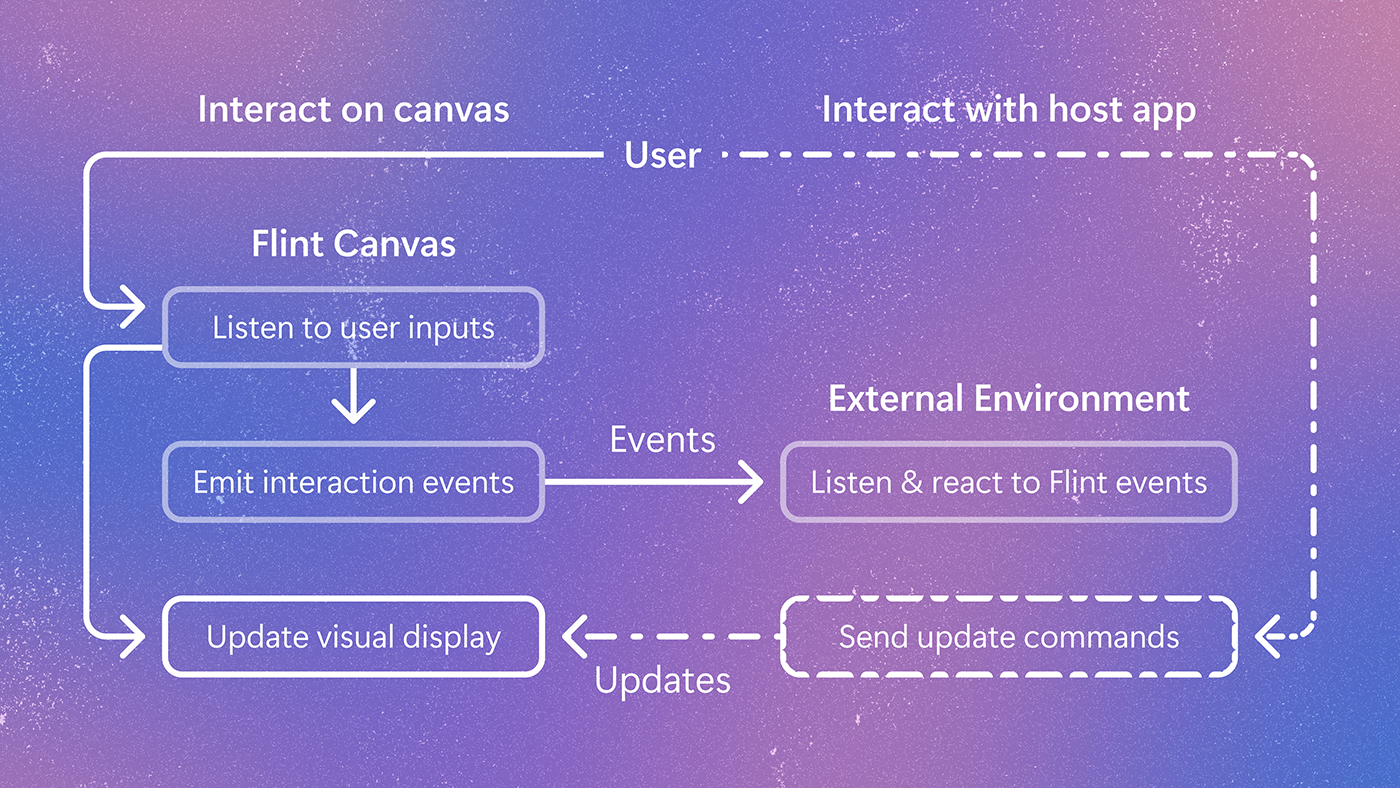
Flint-interactive is a language designed to make the creation of interactive data visualizations more accessible. It enables users and AI agents to generate charts that users can interact with directly. Users can click, filter, zoom, highlight, and perform cross-chart interactions, making complex visualizations easier to build.
The language abstracts away the low-level visualization code, allowing users and agents to define behaviors using high-level semantic events and update operators. This approach leverages Flint’s compiler to handle interaction logic and visual dependencies, reducing development effort and improving reliability. By handling these aspects, the system minimizes common challenges such as layout, rendering, and debugging issues in custom interactive visualizations.
Flint-interactive connects various data representations like charts, text, tables, and applications. This connectivity allows for interactive data stories, dashboards, and connected experiences. Actions in one view can trigger updates in charts, documents, widgets, or application state in another. This capability empowers AI agents to analyze data and generate reports with data visualizations, facilitating more efficient data exploration compared to reading verbose text.
However, there remains a significant practical gap in generating high-quality interactive visualizations. Even with powerful frontier models, creating fully satisfactory interactive visualizations in a single turn often requires multiple rounds of reasoning, coding, and debugging. Reliability issues arise, as expressive interactive charts can easily produce poor layouts or broken interactions, and further adjustments may introduce new problems.
Despite these challenges, Flint-interactive addresses the need for an expressive yet high-level language to specify visual interactions. It allows users to easily describe complex interactions with high-level specifications, shifting the burden of resolving complex dependencies between interaction and visual logic to the compiler.
This shift simplifies the creation of expressive interactions, making it possible for both users and developers to enable AI agents to generate interactive visualizations that enhance data exploration and understanding.
Written by urgent.news from Microsoft Research's reporting — not their text. Machine-written — may contain errors; check the original before relying on it.