Exclusive: Hundreds of shady Chrome VPN extensions target Russians — including fakes of Windscribe and ExpressVPN
Shady VPNs are giving people a ‘false sense of security.’ But why are Russians being targeted?
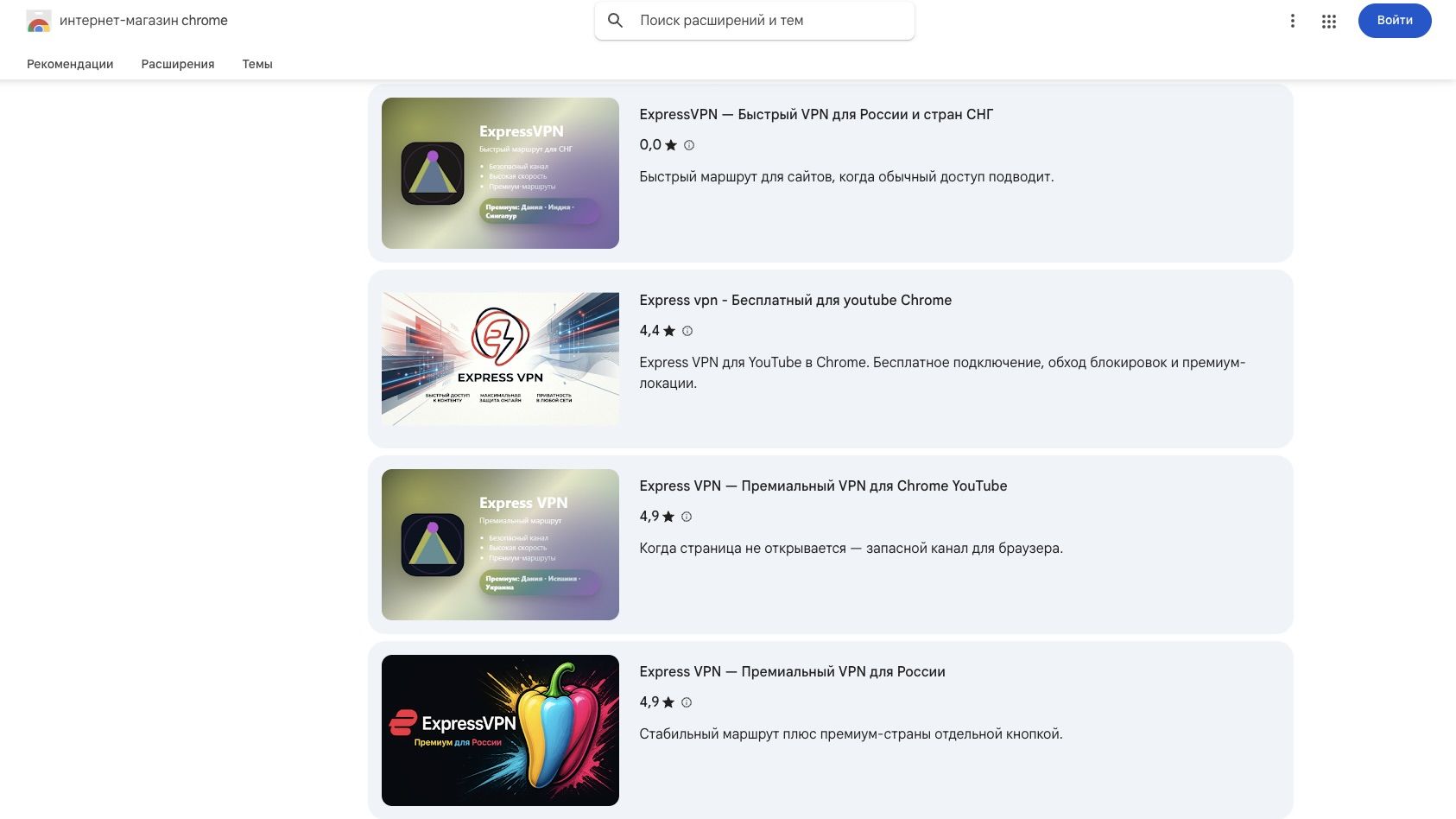
An exclusive investigation by TechRadar has uncovered over 350 untrustworthy VPN extensions on Google's Chrome Web Store that target Russian users. These tools have attracted more than 218,000 users and include imitations of popular VPN brands such as Windscribe and ExpressVPN. Despite these findings, 89 of these extensions remain active.
The investigation revealed that many of these extensions use generic, anonymous Gmail addresses instead of professional developer contacts. This raises concerns about the legitimacy of these extensions and the safety of their users. One email address was linked to 14 different apps, while the exact number of apps changes as old ones are removed and new ones are created.
Most of these extensions host their privacy policies on Telegram's anonymous Telegra.ph platform, which conceals the true owner of the service. Furthermore, nearly three-quarters of these VPNs feature reviews that have more reviews than users, suggesting possible manipulation.
The most commonly imitated brand is Happ, a custom proxy client widely used in Russia, which appears in over 15 extensions. Both Windscribe and ExpressVPN have acknowledged the existence of copycat extensions and are working with Google to remove them. However, expressing concern about the effectiveness of these measures, both companies stated that they frequently request Google to remove these unauthorized extensions when found.
Rebecca Rosenberg, Head of Growth at Windscribe, noted that these unprofessional VPN extensions put people at risk by creating a "false sense of security" and handing over sensitive data to anonymous developers. In contrast, Cherlynn Cha, Head of Security Operations at ExpressVPN, emphasized that these copycat extensions put users at risk by providing a false sense of security.
The rise of these untrustworthy VPN extensions is particularly concerning in Russia, where authorities have cracked down on digital freedom since the 2022 invasion of Ukraine. As a result, VPNs have become a crucial tool for millions of people, prompting the government to attempt to regulate and restrict access to these privacy and security tools.
Written by urgent.news from TechRadar's reporting — not their text. Machine-written — may contain errors; check the original before relying on it.