Europe’s fragmentation impacts research
Europe is famously fragmented.
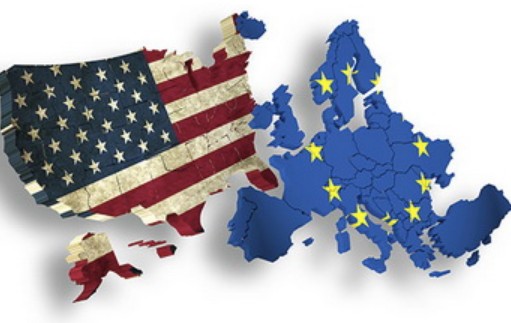
Europe's political fragmentation poses a challenge to collaborative research efforts, especially in fields such as AI, quantum computing, and biotech. Compared to the United States, where a uniform system of grant-making institutions and regulations facilitates smoother research collaborations, European countries each have their own rules and regulations that can complicate partnerships between universities and businesses.
As research becomes increasingly complex and demands more specialized collaboration, the US's streamlined research landscape offers a significant advantage over Europe's fragmented setup.
To quantify this fragmentation, a team from Harvard and the European Commission analyzed collaboration patterns in patent filings and scientific publications. They also determined the complexity of various research fields to create a comparative map between Europe and the US. The findings reveal that Europe holds an edge over the US in sectors like engine and pump technology, telecommunication technology, green tech, and semiconductors.
Conversely, the US excels in sectors like medtech, biotech, life sciences, and computer technology. By analyzing the darkness of the spots on the map, which indicates research complexity, it becomes apparent that in more intricate research domains, the US maintains a clear advantage.
However, there are two notable exceptions where Europe leads the US: research in green tech and semiconductors. The study concludes that the increased fragmentation of Europe's research environment is becoming a growing obstacle to competing with the US in cutting-edge research during the 21st century.
Written by urgent.news from Klement on Investing's reporting — not their text. Machine-written — may contain errors; check the original before relying on it.