Elektroautos boomen weltweit, aber Tesla tritt auf der Stelle
Das Unternehmen verkündet Fortschritte bei mehreren Zukunftsprojekten, doch der Absatz von Fahrzeugen stagniert. Über die Fusionspläne mit dem Raketenbauer SpaceX sagte CEO Elon Musk für einmal gar nichts.
Tesla's electric car sales have plateaued globally, despite the company announcing progress on several futuristic projects. CEO Elon Musk did not provide details about the planned fusion with aerospace company SpaceX, SpaceX. The automaker's core business is not advancing as quickly as hoped, with revenue falling 28 billion dollars in the third quarter, according to a statement released Wednesday evening.
Adjusted earnings per share dropped to 1.7 billion dollars. The company sold fewer electric cars and battery storage units than in the same quarter last year. However, the revenue from service operations, such as the paid "Full Self Drive" mode, has increased as more Tesla customers subscribe to the feature. Tesla's cash flow, however, has been positive, with investment costs now expected to be 4.7 billion dollars, double the figure from last year, but lower than expected.
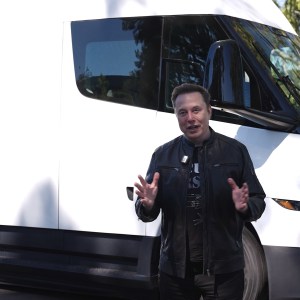
Investors are reassured that the company is sticking to its investment plans, despite ambitious projects. The stock rose 3 percent in after-hours trading as investors awaited Musk's additional information about a potential merger with SpaceX. Musk had previously confirmed to both SpaceX's management boards that he believed a merger would be a good idea, but provided no new details during the earnings presentation.
The CEO and largest shareholder of both companies implied the process would be a "minefield". As CEO and major shareholder of Tesla, he cannot make unilateral decisions, holding approximately 20 percent of the automaker's shares. Other major shareholders also hold significant stakes, but without the support of other shareholders, Musk cannot succeed.
Meanwhile, Tesla is standing still in its traditional core business of selling electric cars. The company had already communicated production and sales figures a few weeks earlier. Tesla delivered almost 487,000 vehicles in the third quarter, slightly more than Wall Street expected but less than the previous year. The company claimed strong customer demand and a shortage of batteries prevented it from selling more vehicles.
This needle in a haystack is not entirely straightforward. While Tesla builds its own battery production, a new factory in Texas opened in early August. The company also aims to expand its business in energy storage, which requires many battery cells. The demand for electric cars varies significantly depending on the market: In the US, sales fell in 2026 after the Trump administration eliminated government subsidies for solar panels.
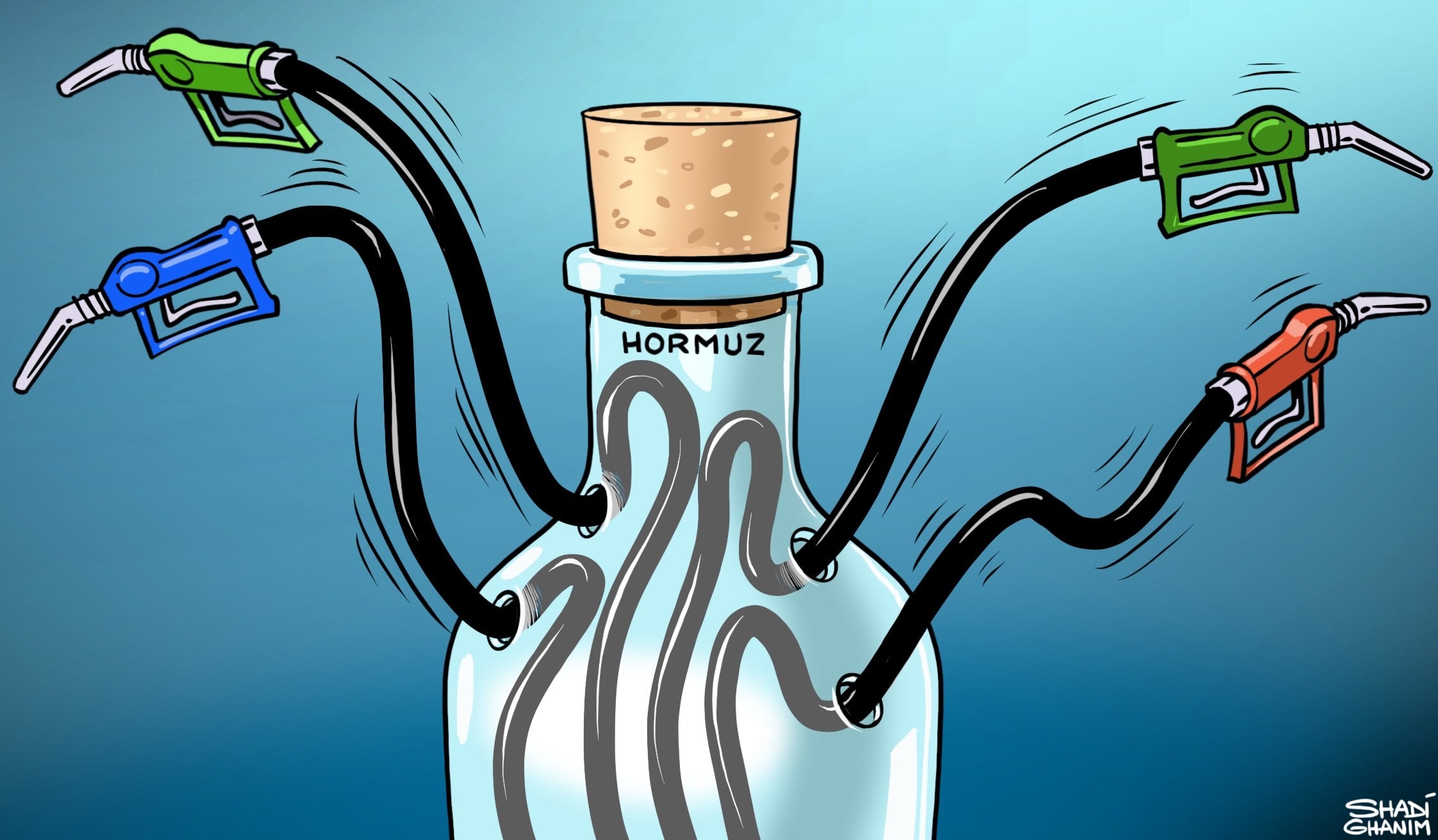
Recently, some car dealers have noticed a cautious revival of solar panels, driven by rising gasoline prices due to the Iran war. Tesla is well-positioned to handle additional demand, as GM and Ford have scaled back their ambitious plans for new electric vehicles and are focusing on gasoline SUVs and pickup trucks, which promise higher margins.
Musk's company benefits from Chinese competitors being kept out of the US market due to high tariffs. In Europe and Asia, the situation is different: EV sales have surged since the war began in February. In Norway and Hong Kong, almost only electric vehicles are sold, while they make up a clear majority in Denmark and Singapore.
In major markets like China, Germany, and France, it's only a matter of time before pure electric cars replace hybrids, gasoline, and diesel vehicles. Tesla benefits from this trend, with the Model Y and Model 3 being the two most sold cars in Europe in September. In Switzerland, Tesla sold 5,317 cars in the current year, 17.9 percent more than from January to September 2025.
The recently introduced Roadster, Tesla's last classic car according to Musk, had no major news on this Wednesday. The focus was on two future projects expected to move towards series production: the humanoid robot Optimus and the Cybercab, the heart of Tesla's growing fleet of self-driving "Robotaxis" that require no steering wheel or pedals. Both projects are expected to move towards series production soon.
Written by urgent.news from NZZ Wirtschaft's reporting — not their text. Machine-written — may contain errors; check the original before relying on it.