Cryo-EM and AI-Designed Scaffold Reveal How Andes Hantavirus Binds Cells
Using cryo-EM and an AI-designed scaffold, researchers mapped how Andes hantavirus engages a receptor on human cells. The findings explain how antibodies block attachment and may highlight a potential target for antiviral development. The post Cryo-EM and AI-Designed Scaffold Reveal How Andes Hantavirus Binds Cells appeared first on GEN - Genetic Engineering and Biotechnology News .
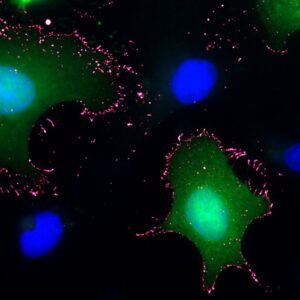
Andes virus, a hantavirus that can spread between humans, attaches to human cells using a spike protein that recognizes a receptor called protocadherin-1 (PCDH1). Researchers at Albert Einstein College of Medicine, Institut Pasteur, and LSU Health Shreveport used cryo-electron microscopy (cryo-EM) and artificial intelligence to study this interaction.
They found that the viral spike forms a binding site through the arrangement of its four components, rather than presenting a single site on one subunit. Mutagenesis experiments identified three loops in the Gn glycoprotein that help shape the binding site. Antibodies prevented receptor binding by either obstructing access to the binding site or creating a physical barrier.
The researchers suggest that engineered molecules with a narrow, elongated shape could block attachment by reaching deeper into the pocket. Their findings provide a framework for developing antiviral therapies targeting the hantavirus spike.
Written by urgent.news from GEN Biotechnology's reporting — not their text. Machine-written — may contain errors; check the original before relying on it.