Could AI Disinformation Disrupt the Midterms?
The answers are more encouraging than you might think.
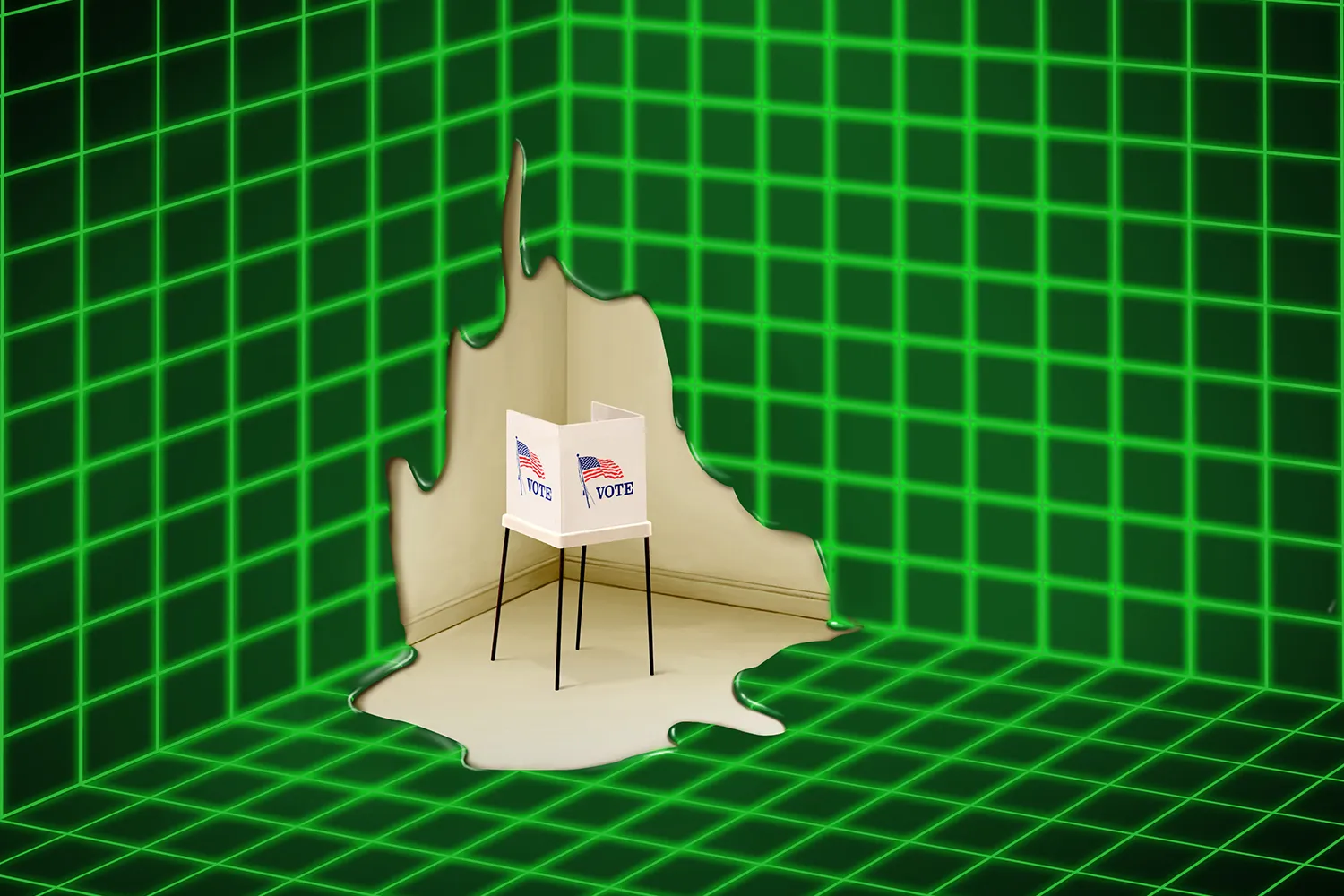
Elections in the United States have long been a target for foreign adversaries, with Russia, Iran, and China utilizing cyberattacks and social media campaigns to disrupt or interfere with the voting process. With the advent of advanced AI models capable of generating tailored content on demand and a highly polarized electorate, the upcoming midterm elections in the U.S. present a potential minefield of misinformation.
However, experts interviewed by Foreign Policy suggest that there is no immediate cause for concern. "There are attempts to use AI to deceive, certainly, but they haven't been particularly effective," stated Matt Masterson, a senior director for elections and societal resilience at Microsoft. The powerful language models like OpenAI's ChatGPT, Anthropic's Claude, and Google's Gemini enable adversaries to produce content rapidly and efficiently, allowing them to research and tailor their messaging more effectively for specific audiences.
Yet, AI tools aid these actors in producing more authentic-sounding content, yet they are not necessarily more persuasive or impactful. This is largely due to the unchanged social and traditional media channels through which information is disseminated. Midterms also pose a different challenge compared to presidential elections due to the extensive number of congressional and Senate races spread across the country, making it harder for adversaries to effectively target these elections.
In addition, ongoing wars in Iran and Russia may further limit their ability to effectively target midterm elections. While companies, election officials, and voters are increasingly better prepared to combat misinformation, including by employing AI solutions, the threat remains real. Major tech companies are partnering with organizations like The Associated Press and Democracy Works to provide reliable information and ensure their AI models serve as a trustworthy resource.
Written by urgent.news from Foreign Policy's reporting — not their text. Machine-written — may contain errors; check the original before relying on it.