Colombia Admits It Lacks Homeschooling Data
The Colombian Ministry of Education recently acknowledged that it does not have figures on how many children and adolescents are educated at home, a practice known internationally as homeschooling. The lack of statistics and studies makes it impossible to determine the extent of this practice, understand why families choose it, or assess its effects on […]
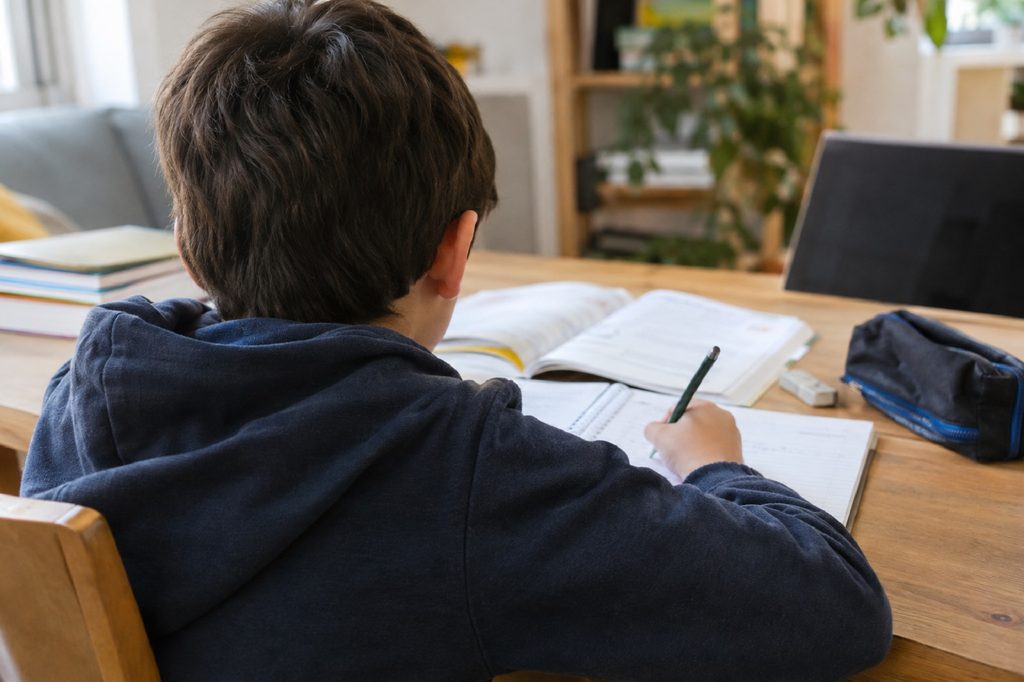
Colombia's Ministry of Education has admitted that it lacks data and studies on homeschooling, an educational method not officially regulated within the country. This lack of information hinders authorities' ability to determine the number of children and adolescents being homeschooled, understand the motivations behind this choice, or assess its impact on children's learning.
While homeschooling is not expressly prohibited in Colombia, there is no specific regulatory framework governing its operation. Education in Colombia is compulsory, but it isn't required to take place in a physical classroom. This situation leaves families practicing homeschooling in a legal gray area, without clear guidelines on requirements or validation of the knowledge their children acquire.
Without official statistics, it's difficult for education authorities to determine how many families have chosen homeschooling, identify their motivations, or establish whether this alternative has gained popularity in recent years. Homeschooling involves parents or guardians taking responsibility for their children's education instead of sending them to traditional educational institutions.
Methods can vary, ranging from structured programs and defined curricula to using digital resources, educational materials, private tutoring, and independent learning activities. The reasons for choosing homeschooling also vary, with some families aiming to adapt content and schedules to their children's learning pace, while others believe this approach offers a more suitable environment or aligns better with their educational philosophies.
However, due to the absence of data and research, the Ministry of Education cannot quantify the extent of homeschooling, systematically evaluate its academic and social outcomes, or accurately determine the number of minors being educated at home versus those outside the education system for other reasons. The law mandates education but doesn't specify that it must occur in a classroom.
Colombia recognizes education as a right and obliges the state and families to ensure children receive an education. However, it does not explicitly ban homeschooling nor does it provide comprehensive regulations detailing how this form of education should be conducted, the requirements parents must fulfill, or how learning should be monitored.
Thus, while homeschooling isn't illegal, the lack of specific rules raises questions about its integration into the formal education system and how to certify acquired knowledge, recognize academic progress, or facilitate transitions between homeschooling and traditional schooling.
Written by urgent.news from Colombia One's reporting — not their text. Machine-written — may contain errors; check the original before relying on it.