Claude did not invent scorpion antivenom
An investment research firm wanted to prove AI could revolutionize drug development. So they teamed up with Anthropic to see whether an unreleased version of Claude could make scorpion antivenom. It couldn't. It came up with some promising starting points, but nothing close to an actual drug, experts tell The Verge. Citrini Research, the firm […]
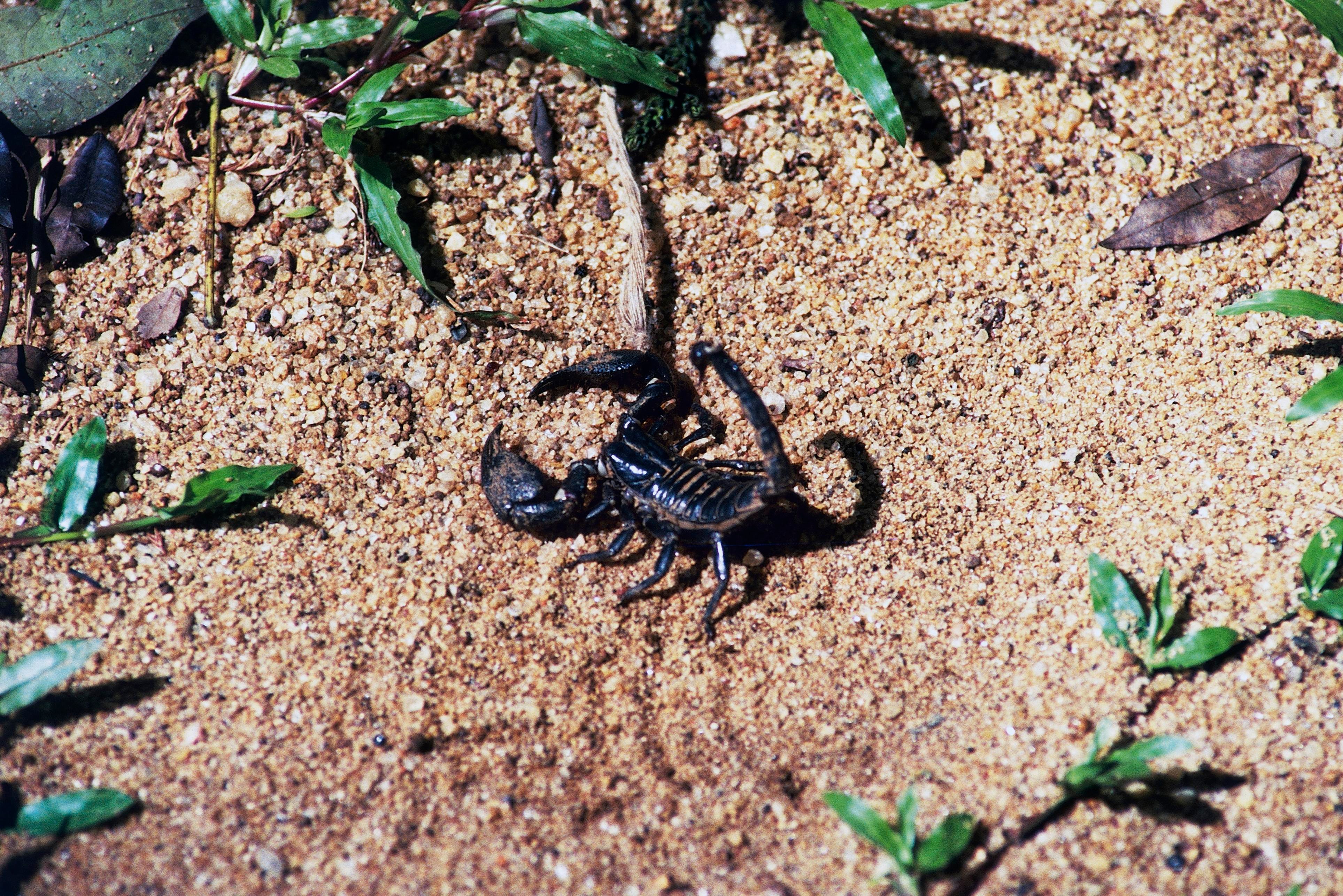
A research firm named Citrini attempted to use AI to develop scorpion antivenom, but the effort was unsuccessful. Anthropic, an AI company, provided access to an unreleased version of their Claude model to help with the task. The experiment involved generating 320,000 protein candidates, which were then reduced to 211 after filtering out those that resembled known toxins or existing proteins.
Out of the 211 proteins, 17 were able to bind to one of the five scorpion toxins the team aimed to target. However, none of the proteins bound to more than one toxin, and there was no evidence that they could neutralize the toxins or function as an effective treatment. Experts in the field noted that while the AI-generated proteins showed promising binding abilities, the process of turning these promising molecules into an actual medicine remains a significant challenge.
The experiment was largely seen as a demonstration of AI's potential in accelerating drug discovery, rather than a successful attempt to create a functioning antivenom. Citrini, however, framed the endeavor as a success from an investment perspective, emphasizing the potential opportunities in AI-enabled drug development.
Written by urgent.news from The Verge's reporting — not their text. Machine-written — may contain errors; check the original before relying on it.