China-Europe rail and India’s long road to Eurasia
India is focusing on connectivity initiatives such as the International North-South Transport Corridor and the IMEC. Geopolitical tensions have challenged India's ambitions to establish reliable connectivity with Europe. In contrast, the China-Europe freight network significantly expands trade routes across Eurasia. The expansion provides multiple routes and helps mitigate disruptions in maritime…
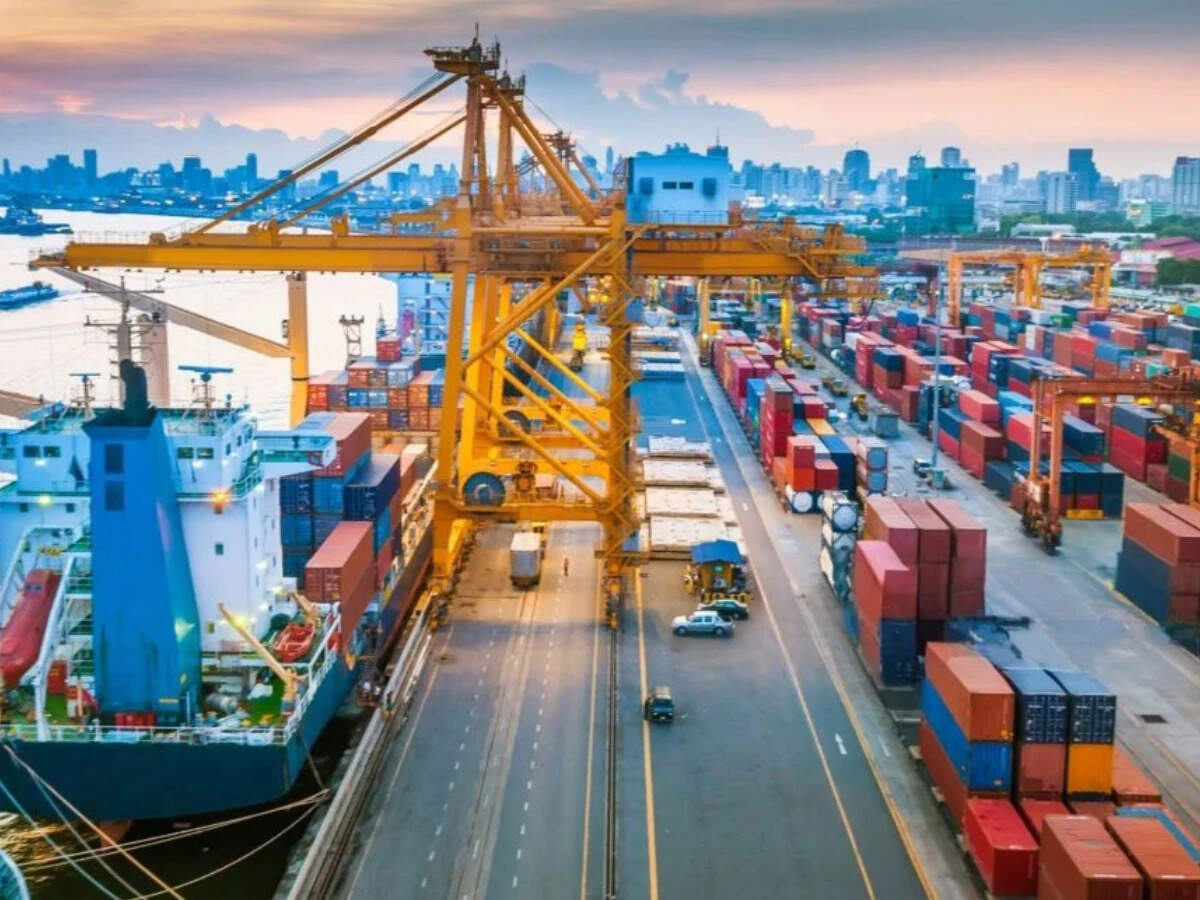
Amidst rising maritime chokepoint instability, nations are turning to alternative rail and multimodal transport routes. India has prioritized two key initiatives – the International North-South Transport Corridor (INSTC) and the India-Middle East-Europe Economic Corridor (IMEC). However, conflicts in Ukraine and West Asia, coupled with sanctions, have hindered their advancement and softened India's plans to connect Europe via these corridors.
A significant shift is occurring in Eurasian connectivity, propelled by the expanding China-Europe freight transport network. Since initiating its first Chongqing-Duisburg train in 2011, the China Railway Express has made over 130,000 round trips, transporting goods worth over $520 billion. In 2025 alone, more than 20,000 trains carried nearly $70 billion in goods between China and Europe.
As of June 10, 2026, more than 10,000 train journeys had already handled over one million standard containers across 120 Chinese cities and 235 European destinations.
The China-Europe freight network traverses four main corridors. The Western Corridor, the busiest, connects inland hubs like Xi'an and Chongqing with Europe via Kazakhstan, Russia, and Belarus, eventually reaching Polish rail transport. The Central Corridor links Wuhan's industrial centers with Russia's Trans-Siberian Railway, heading towards northern Europe.
The Eastern Corridor focuses on China's coastal manufacturing areas, entering Russia through Manzhouli and continuing westward along the Trans-Siberian Railway, bypassing Central Asia. The Trans-Caspian multimodal Middle Corridor, gaining importance due to the Russia-Ukraine war, offers an alternative route that skirts Russian territory, linking China to Europe via Kazakhstan, Azerbaijan, Georgia, and Turkey.
These corridors collectively provide China with multiple pathways to European markets and have emerged as crucial components of Eurasian connectivity.
In a world where maritime routes face disruptions, China-Europe freight transport has thrived, acting as a middle ground between sea and air shipping. It cuts transit times roughly in half compared to maritime shipping while costing about one-fifth of air freight. While maritime shipping from the Suez Canal takes 25-35 days and air freight takes 5-7 days, China-Europe rail services typically take 12-18 days, depending on the route.
India, with its fourth-largest railway network and the world's largest high-speed rail system spanning over 50,000 kilometers, stands to benefit from this transformative Eurasian freight connectivity. Originally, India envisioned linking Chabahar Port in Iran with the INSTC framework, aiming to connect with the broader Eurasian rail system through the Caspian Sea.
However, the complex geopolitical situation in Iran has complicated this plan. Despite limited economic ties with Central Asia and the Caucasus, India's connectivity ambitions are primarily directed toward extensive corridors linking India with Europe. As India continues to explore options under the INSTC and IMEC, as well as potential benefits from the growing China-Europe railway network, future bilateral relations could play a pivotal role in shaping India's Eurasian connectivity strategies, potentially broadening its integration options beyond current geopolitical constraints.
Written by urgent.news from The Economic Times - Economy's reporting — not their text. Machine-written — may contain errors; check the original before relying on it.