All tropical coral reefs could collapse within 50 years
Shallow-water coral reefs are at high risk of disappearing by 2075, the IUCN has warned at a UN biodiversity conference. The loss would decimate fisheries and speed up coastal erosion
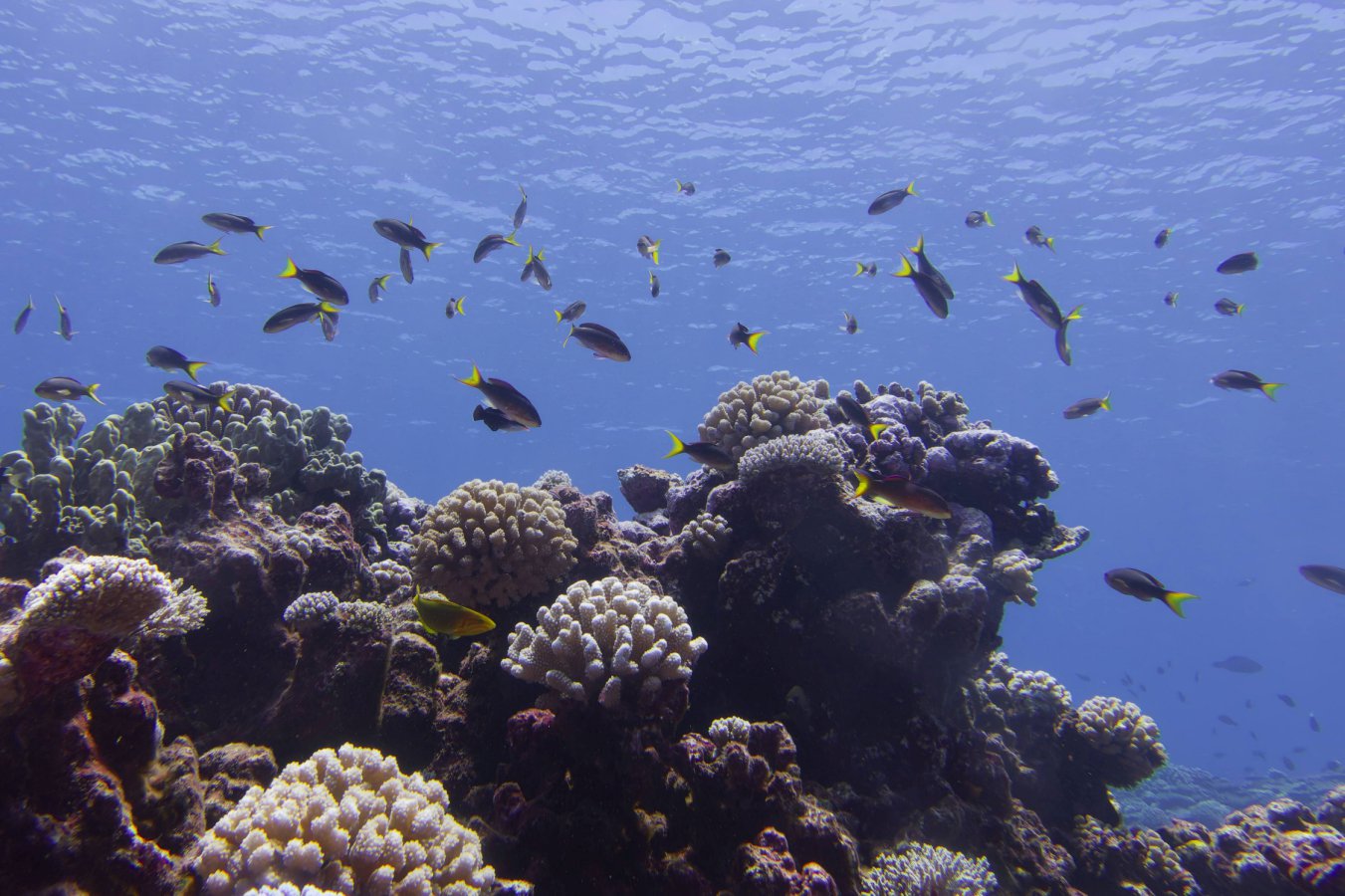
Tropical coral reefs could disappear within the next half-century due to the ongoing release of fossil fuels by humans, warns the International Union for Conservation of Nature (IUCN). An assessment by the IUCN reveals that at least 96 percent of shallow-water coral reef ecosystems are at extremely high risk of collapsing by 2075.
The remaining ecosystems were not evaluated due to insufficient data, but are likely to face the same threat. Marcos Valderrábano, an IUCN representative, states that "all coral reef ecosystems that we assess, they are all critically endangered, and that’s really surprising." This assessment was unveiled at the recent UN biodiversity summit in Armenia.
Countries need to protect reefs by reducing fishing quotas and pollution, according to Valderrábano. Coral reefs are vital for ecosystems, containing thousands of species and covering just 1 percent of the ocean, but supporting 25 percent of marine life. Over a billion people depend on coral reefs for fishing, tourism income, and protection from erosion and storms.
Coral reefs have previously been warned about crossing a tipping point, but the IUCN warning highlights the rapid, widespread die-offs that could occur. Scientists now fear that even small populations of coral might not survive the collapse because they may not have another reef nearby to mate with, resulting in reproductive failure.
Coral reefs also exist in deeper, colder waters, but those are less biodiverse and do not form symbiotic relationships with algae. The IUCN assessment, based on a "middle-of-the-road" scenario with moderate emissions reductions, still does not guarantee the survival of all shallow-water reefs. However, corals may be more resilient than previously thought, as some research in the Pacific archipelago of Palau suggests they can develop heat tolerance at a rate of 0.1°C per decade.
While interventions like sunshades and geoengineering have been proposed, the most effective solution remains reducing carbon emissions to give corals a chance to adapt and recover.
Written by urgent.news from New Scientist's reporting — not their text. Machine-written — may contain errors; check the original before relying on it.