Aipac ends US candidate endorsements as backlash over Israel grows
The American Israel Public Affairs Committee, the most powerful pro-Israel lobby in the US, said it would no longer endorse candidates or make direct campaign contributions, as debate intensifies over American aid to Israel, the Gaza war and the influence of outside money in elections. Instead, the group will continue operating through its United Democracy Project committee, known as a super Pac,…
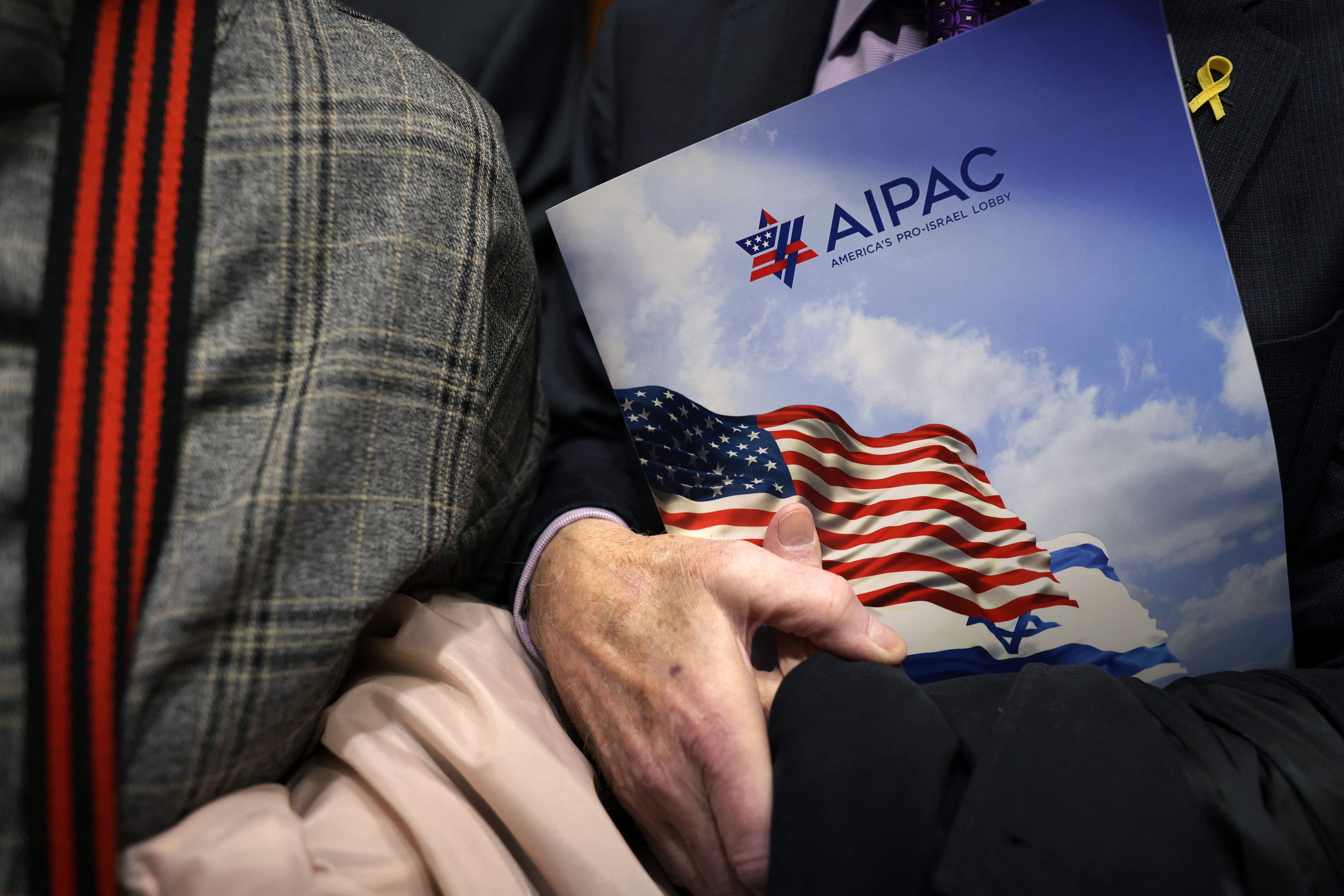
The American Israel Public Affairs Committee (AIPAC), the most influential pro-Israel lobby in the United States, announced it will cease endorsing candidates and making direct campaign contributions. This decision follows heightened tensions over American financial support for Israel, the Gaza conflict, and the impact of external influence in elections.
Instead, AIPAC will operate under a super PAC, which can raise unlimited funds for political advertising but cannot coordinate directly with candidates. The shift comes amid widespread criticism, particularly within the Democratic Party, and a decline in public support for Israel among Americans, especially Democrats and independents.
Jim Manley, a Democratic strategist, described AIPAC as "radioactive" for many candidates, noting the group's aggressive political stance. The move may prove challenging for Democratic leaders like House Minority Leader Hakeem Jeffries and Senate Minority Leader Chuck Schumer, who have received contributions from AIPAC's political network.
Despite the decision, AIPAC pledged to continue supporting the US-Israel relationship, emphasizing that its members have provided over $90 million in direct campaign donations during the current election cycle. Political analyst Trita Parsi emphasized the significance of this change, highlighting the group's historical role in dominating political discussions.
However, AIPAC's reputation now carries negative connotations, prompting the organization to distance itself from explicit endorsements and contributions. This development is expected to have immediate effects, particularly in Michigan, a battleground state where the Senate race is contentious. AIPAC's involvement in the race, including a $30 million investment to oppose Democratic primary candidate Abdul El-Sayed and support Republican Representative Haley Stevens, proved highly contentious.
El-Sayed, an Egyptian-American physician known for his progressive stance, ultimately won the nomination. The super PAC later resumed its campaign against El-Sayed in the November midterm elections. El-Sayed, endorsed by Senator Bernie Sanders, has advocated for an end to US military aid to Israel and labeled Israel's Gaza war as genocide.
If elected, he would become the first Muslim senator in US history. AIPAC is now directing up to $9 million against El-Sayed, with Sanders criticizing AIPAC's influence, stating, "AIPAC is why we're at war in Iran. AIPAC is why the US has supported genocide in Gaza. We must say no to AIPAC."
Written by urgent.news from The National Business's reporting — not their text. Machine-written — may contain errors; check the original before relying on it.
This story
This is one outlet's version. Read the fullest account.
- Aipac ends US candidate endorsements as backlash over Israel grows thenationalnews.com
- Pro-Israel lobbying group Aipac ends endorsements, direct funding to US candidates middleeasteye.net