A Privacy Company Just Saved the Clearest Flock Surveillance Map I’ve Seen
The creator of Proton Mail now hosts a powerful, professional Flock camera mapping tool on its site.
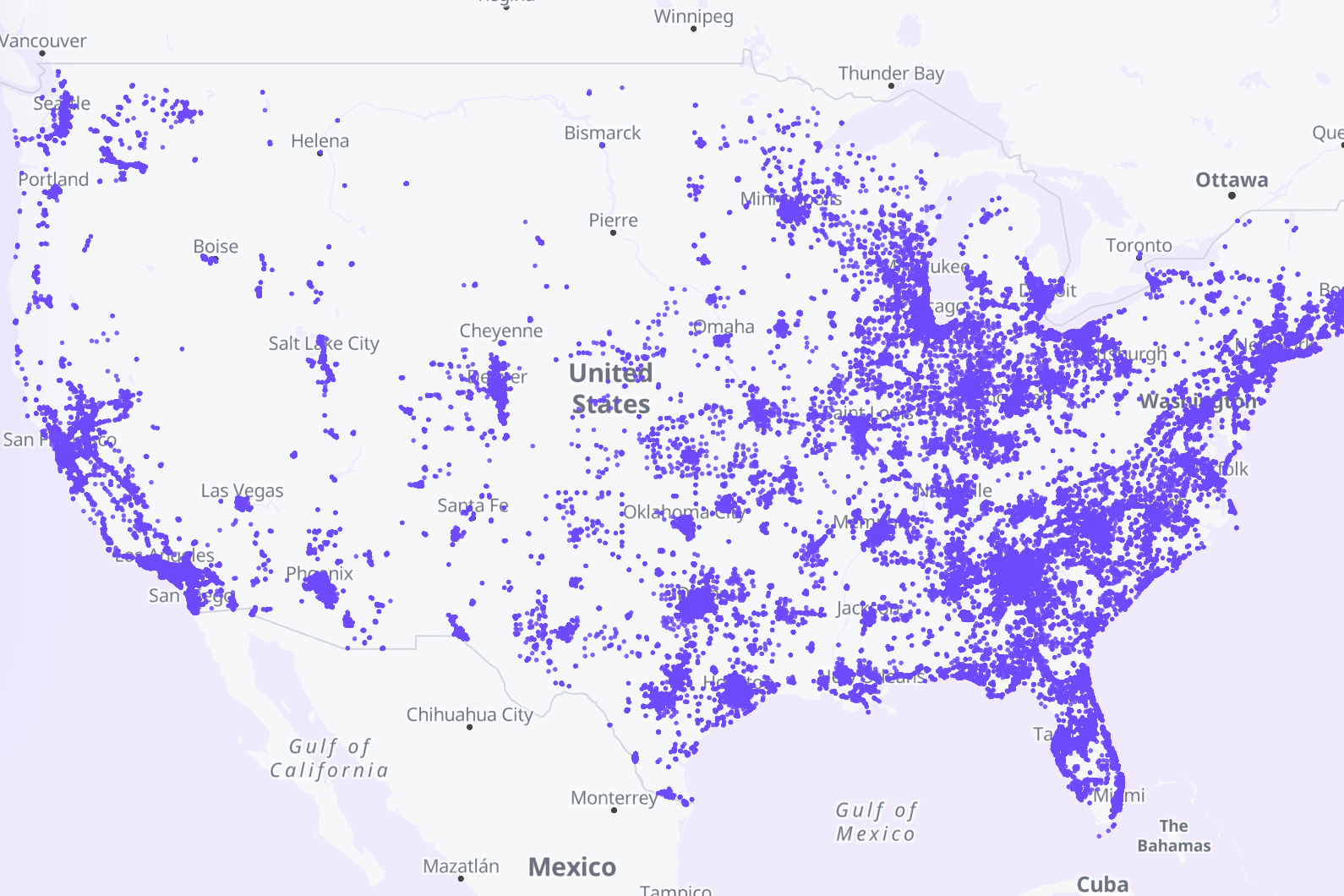
Proton, the creators of email service Proton Mail and VPN service Proton VPN, have recently launched a new service that offers a free, interactive map of Flock Safety's surveillance network across the United States. This comes after Flock attempted to shut down the original map, created by security researcher Joshua Michael, through legal threats. The new map, hosted by Proton, provides additional technical and legal protection for the surveillance-tracking tool.
Flock Safety's network of cameras captures license plate data, vehicle details, human characteristics, and audio signals like gunshots. While law enforcement agencies utilize this data for tracking suspects, privacy advocates express concerns over the potential for unchecked surveillance. Proton's map reveals more Flock cameras in operation than Flock Safety had previously stated, with over 214,000 devices in service, including more than 80,000 in planning stages.
Proton's version of the map offers improved visual clarity, faster search responses, and a more user-friendly interface compared to other Flock tools. Unlike other crowd-sourced tools, Proton's map provides more accurate information as it is based on Flock Safety's own reporting. Michael, the creator of the original map, has documented cybersecurity risks that could have national security implications.
Michael claims Flock Safety has promised to take measures to remove his research from public view, which led Proton to preserve the map in its Swiss servers, where the company is subject to stricter privacy regulations. Proton will update the map if new and reliable data becomes available. While the Proton map provides a point-in-time view of Flock Safety's network, the Atlas of Surveillance offers a broader, historical perspective on the surveillance technologies adopted by US law enforcement agencies.
Written by urgent.news from CNET's reporting — not their text. Machine-written — may contain errors; check the original before relying on it.