Winning the fiery argument, losing the point
Political debate should do more than make us feel heard. It should help us change what needs to change.
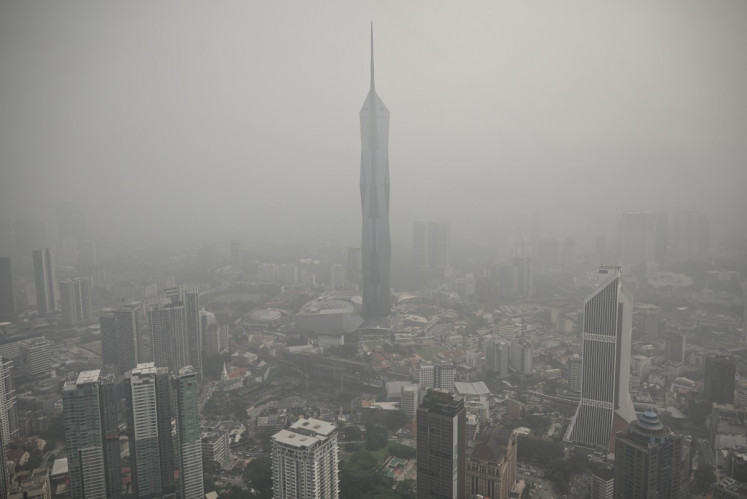
In a fiery political debate, the focus often shifts from addressing the root cause of issues to winning arguments. This is evident in forest fires, where criticism of the government's response is met with counterarguments. The debate sometimes becomes a contest of who can say the most inflammatory or clever thing, rather than finding a solution to the problem at hand. A post goes viral with thousands of likes, and the author may feel they have "won" the debate, but the forest continues to burn.
Democracy thrives when citizens question authority, expose failures, and demand answers. However, when winning arguments becomes the sole goal, it distracts from actual progress. Attention alone does not put out fires or enforce regulations. Friedrich Nietzsche's philosophy, particularly in "The Will to Power," raises questions about values and the purpose of human actions. His relevance lies in recognizing that when satisfaction of an activity replaces the purpose it serves, the result is not progress but distraction.
Online debates highlight this tension. A sharp accusation can attract immediate attention, while thorough investigations and regulations take time. Winning an argument produces a visible victory, whereas correcting a failure demands sustained institutional effort. When public attention rewards confrontation over correction, the incentive to win can override the need to resolve issues.
This issue extends beyond individual behavior; officials may defend their decisions rather than admit mistakes, while opponents may benefit from keeping the debate alive.
Indonesia's forest and land fires exemplify the stakes. The crisis involves land use, commercial interests, regulatory enforcement, public health, and the state's capacity to prevent recurring emergencies. Blaming specific parties through political accusations alone is insufficient; evidence is needed. The regional impact is evident. Singapore's preventive notices to Indonesian companies over smoke from their concessions' fires illustrate this point. Accusations must be backed by evidence, not political convenience.
The question remains: which is more important—winning an argument or solving the problem? In the context of forest fires, the answer is clear: prevention and correction must take precedence over winning debates.
Written by urgent.news from The Jakarta Post's reporting — not their text. Machine-written — may contain errors; check the original before relying on it.