We’re way closer to protecting 30% of the planet than we knew. But there’s a catch.
Scientists found millions of acres of overlooked conservation land, from sacred sites to watershed reserves. The world may hit its 2030 goal, just not in the right places.
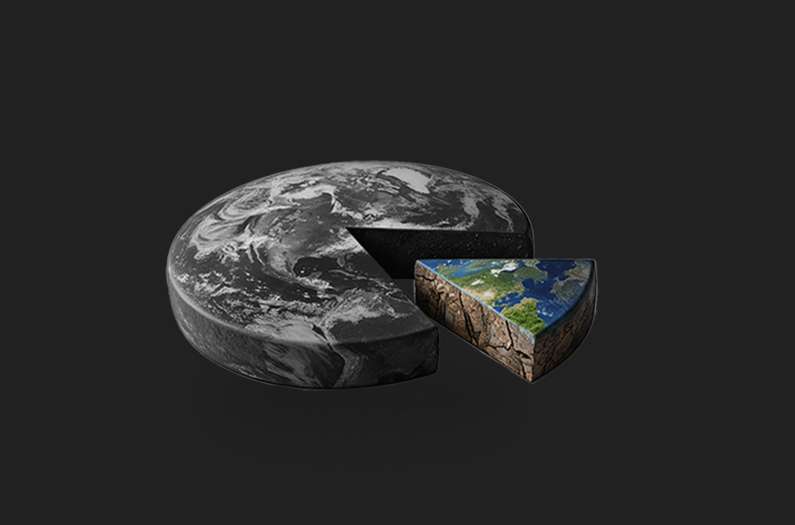
The world might be closer than expected to the international goal of protecting 30% of land by 2030, but it's likely not all the right land, according to a new study published in Nature. Current protections cover about 27% of the planet's land, significantly more than the previous estimate of 19%. Conservation organizations had expressed concern that countries were falling short of their pledges to shield 30% of Earth's land and 30% of the ocean from development as part of an update to the Convention on Biological Diversity.
However, the research conducted by a team of 35 scientists suggests that more land is in some form of conservation than previously recognized. Lead author Helen O'Neill, a postdoctoral researcher at the United Kingdom's Institute of Zoology, explained that their analysis indicates a higher percentage of land is protected than currently recorded.
The official database, Protected Planet, maintains a list of protected lands maintained by the United Nations and the International Union for Conservation of Nature. While comprehensive, it misses some unregistered protected lands and includes only areas formally designated for wildlife preservation. To address this, the researchers focused on 10% of the world's land masses to estimate the overall coverage.
They analyzed the status of selected land through a combination of global database records, national reports, and conservation areas with regulations and management practices that qualify them as OECMs. This stands for "other effective area-based conservation measures," which may include land protected by Indigenous groups or managed for water quality improvement. By combining these factors, the scientists estimated that 26.8% of all land is protected, according to their computer model.
Despite this promising figure, the research also highlights gaps in effective conservation. Only 100 of the 173 mapped ecological regions have more than 17% of their land protected. Regions predominantly characterized by ice and rock, such as polar and alpine landscapes, are disproportionately represented in the protected areas list. Conversely, deserts, woodlands, grasslands, and temperate forests fall short of the 30% target.
Moreover, the study questions whether the land on paper is genuinely protected. Heather Bingham, a co-author and head of the Protected Planet Initiative, emphasized that merely achieving the 30% milestone is insufficient. The target also mandates that these areas must be effectively managed for positive biodiversity outcomes and strategically placed to maximize their impact on biodiversity.
In summary, while the world may be making progress towards the 30% land protection goal, the quality and effectiveness of conservation efforts remain crucial. Recognizing and managing OECMs is one area where significant gains can be made, but effective management and strategic placement are equally important to achieve the overall conservation objectives.
Written by urgent.news from Anthropocene Magazine's reporting — not their text. Machine-written — may contain errors; check the original before relying on it.