UN issues call to arms to combat off-the-charts El Nino
El Nino is set to peak in December, but the human impact of its associated extreme temperatures, floods and droughts is set to last into 2027 and beyond.
The UN has issued a strong call to action to combat an unprecedented El Nino weather event, warning that the effects could last well into 2027. The current El Nino, which reached its peak in December, is forecast to be so severe that it surpasses all previous records, with sea surface temperatures in the Pacific Ocean reaching 3.8°C above average.
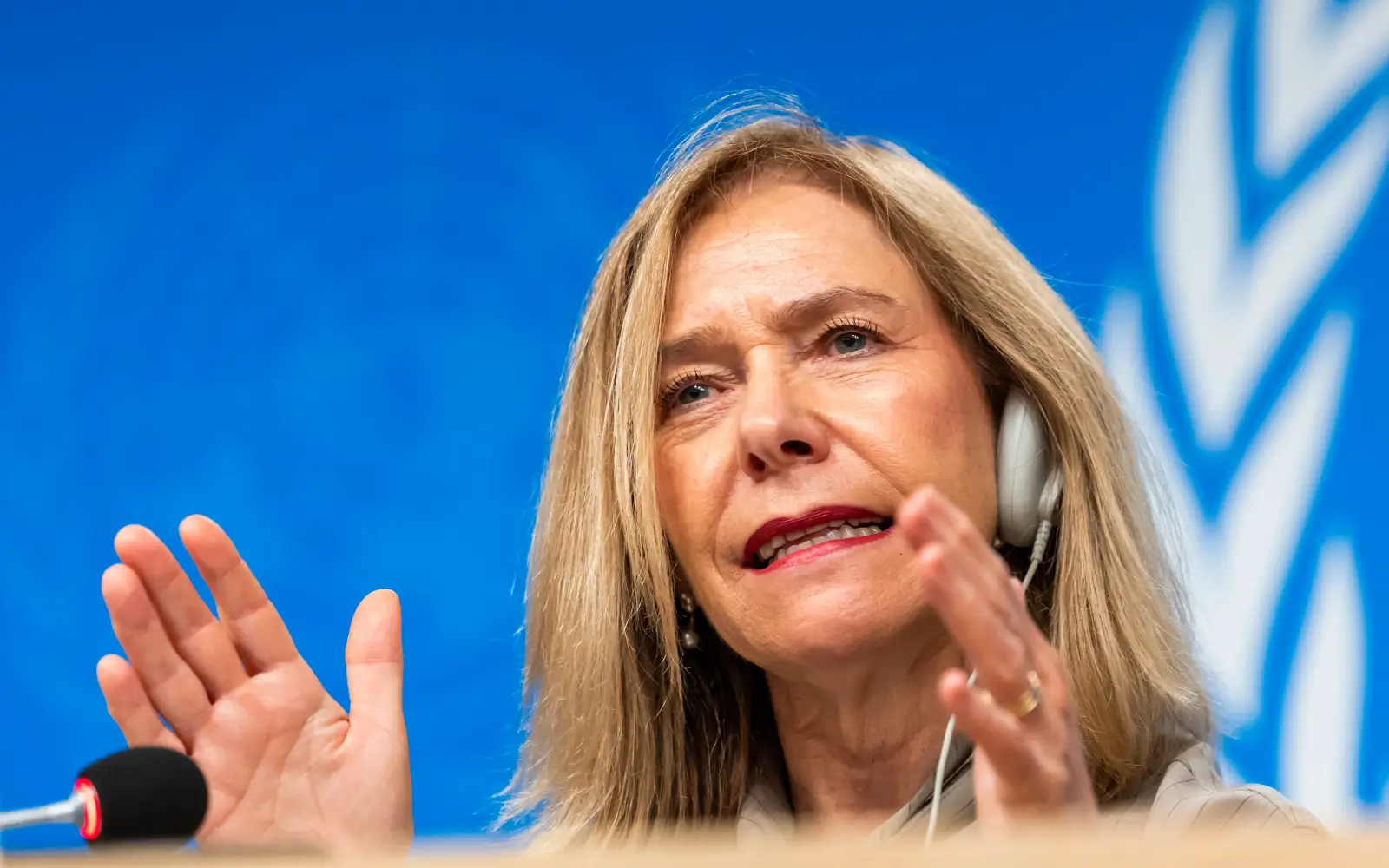
The World Meteorological Organization (WMO) chief, Celeste Saulo, stated that the current El Nino is "literally off the monitoring charts" used for the past four decades. She emphasized that extreme weather events are already being witnessed, and these are expected to multiply as the El Nino intensifies.
UN aid chief Tom Fletcher described El Nino as a "wrecking ball" that will bring havoc to various regions, including Latin America, eastern and southern Africa, Asia, and the Pacific. He warned that the long-term impact will be felt for months, if not years, due to the overlapping crises.
Fletcher cited widespread conflict, displacement, soaring fuel and fertiliser prices, food shortages, and aid cuts as potential consequences. He estimated that 50 million people could face increased hunger. The aid chief warned that the next two weeks are critical for action, as countries like Somalia, Ethiopia, and Kenya need supplies ahead of heavy rains; southern Africa needs seeds and livestock, while Central America requires livelihood assistance, and Asia and the Pacific must prepare for droughts, floods, and cyclones.
However, Fletcher cautioned that the damage from El Nino would not be limited to the affected regions, as it could create global economic shocks and drive further conflict, displacement, and migration. The WMO's latest forecast predicts that sea surface temperatures in the tropical Pacific Ocean may rise to a record-breaking 3.8°C above average during November to January.
Saulo emphasized that while El Nino cannot be stopped, many of its worst human consequences can be prevented. She called for urgent and coordinated anticipatory action from countries, development banks, and international financial institutions. Fletcher has already released US$50 million to help 11 frontline countries, including Chad, El Salvador, Ethiopia, Somalia, and South Sudan.
Written by urgent.news from Free Malaysia Today's reporting — not their text. Machine-written — may contain errors; check the original before relying on it.