U.S. Midterms Loom Over a Deadlock Between Trump and Tehran
Renewed military conflict before or after the midterms won’t resolve the disputes the United States and Iran will eventually have to confront across the negotiating table.
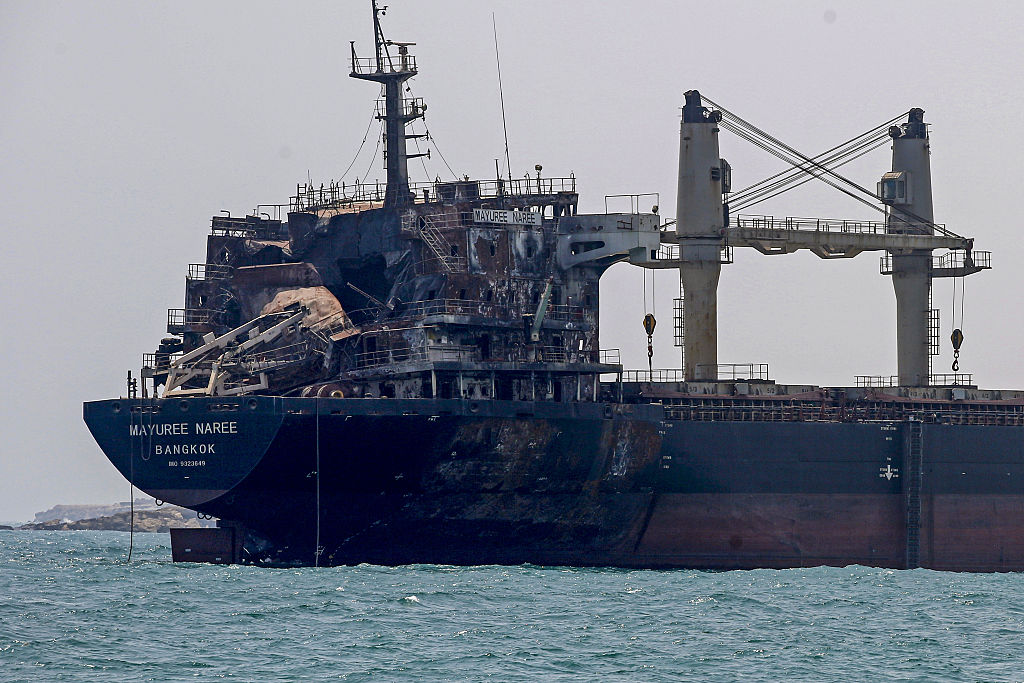
As the U.S. midterm elections approach, tensions between Iran and the United States continue to escalate, according to a recent report. Iranian authorities have ramped up attacks on shipping vessels in and around the strategic Strait of Hormuz, believing that heightened energy prices resulting from these actions will exacerbate President Donald Trump's political difficulties and deter a costly U.S. military intervention.
This strategy is based on the assumption that a president concerned about diesel prices and his party's prospects in the midterms will be less inclined to engage in another major conflict. However, even as Trump has pledged to avoid striking Iran prior to the November 3 election, his administration has reportedly considered fresh military options. This suggests that the military avenue remains on the table.
Meanwhile, Israeli Prime Minister Benjamin Netanyahu, facing an October 27 election with his bloc striving to achieve a majority, has positioned himself as the only one capable of neutralizing the Iranian threat. Iran's reinvigoration of its missile and drone capabilities, coupled with uncertainty surrounding its nuclear program, may provide Netanyahu with a strategic opportunity to bolster his domestic standing.
However, this gamble could intensify Israel's insecurity, as the political ramifications of miscalculation are rarely beneficial.
The confluence of these perspectives creates a particularly perilous environment in the coming weeks. Iran seems to be banking on Trump's electoral vulnerability to constrain his actions, while Trump and Netanyahu may believe that a display of force could salvage their political fortunes. Yet, history has shown that successive rounds of fighting often outpace diplomatic efforts to contain them.
Even if no further hostilities occur between October and November, the political constraints Trump has imposed on himself during the midterms will no longer be in effect come November. This could embolden Washington to launch another round of strikes in an attempt to break the deadlock.
However, Tehran is likely to respond with heightened aggression, fearing another surprise attack. In response, it may choose to strike Israeli targets or American military assets in the region first. What may appear to be prudent preparation in either country could inadvertently trigger a war that it seeks to deter.
At the heart of the impasse lies the U.S.'s desire for a nuclear agreement and Iran's insistence on immediate economic relief before engaging in substantive discussions about the nuclear issue. While American forces continue to operate in the region, Iran's maritime blockage has failed to produce meaningful concessions from Washington.
The result is a situation where both parties remain entrenched in their respective positions, with Iran inflicting damage on its Gulf neighbors' oil exports, but failing to translate this leverage into tangible American concessions.
The consequences of a renewed conflict would be dire, potentially widening the rift between the U.S. and Iran to a degree that could not be bridged. American and Israeli aircraft could destroy missile launchers, production facilities, and infrastructure, but Iran has repeatedly proven its ability to retaliate and survive. The repercussions could extend to Gulf energy infrastructure, maritime commerce, data centers, and critical networks.
Iran has demonstrated its capacity to inflict significant damage on its neighbors' oil exports, but thus far, it has not succeeded in leveraging this to secure concessions from Washington.
As the stakes rise, the outlines of a diplomatic solution have become increasingly apparent: reciprocal steps to reopen the Strait of Hormuz, calibrated sanctions relief, and the resumption of nuclear negotiations. However, the primary challenge lies in finding a mutually agreeable sequencing and building trust. Reciprocal measures and credible verification will be essential.
Resorting to more bombings is unlikely to facilitate a resolution. Diplomatic leaders contemplating an October surge must recognize that merely escalating hostilities will not bridge the divide between Iran and the U.S.
Written by urgent.news from Time's reporting — not their text. Machine-written — may contain errors; check the original before relying on it.