Tracking-Apps: Warum wir uns so gern selbst vermessen – trotz Risiken
10.000 Schritte pro Tag, siebeneinhalb Stunden Schlaf und sogar genug getrunken. Bunte Balken auf dem Smartphone geben uns den Eindruck: Wir haben unser Leben im Griff – aber ist das wirklich so?
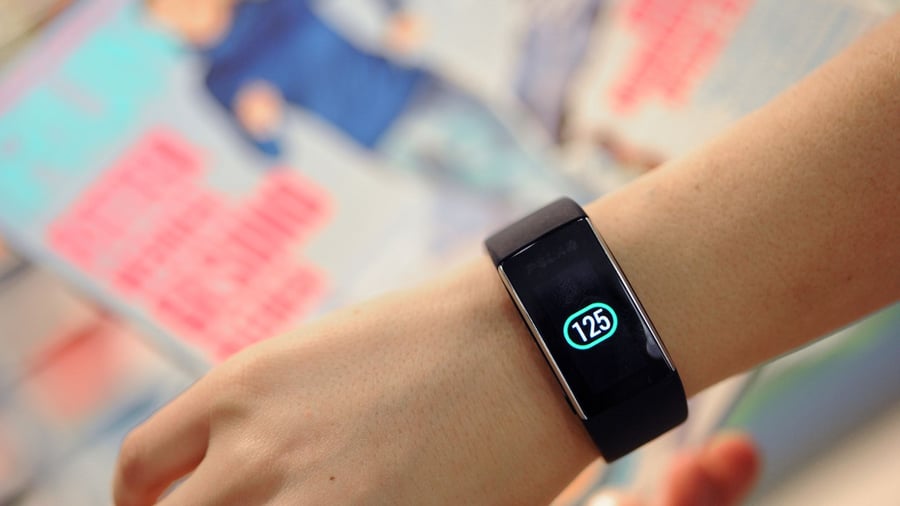
Fitness, diet and wellbeing tracking apps have captivated many users, with 73% of respondents in a 2023 Bitkom survey using such apps to support their health. About 43% of users opted for tracking apps like Apple Health, Google Fit or Health Connect, which can also connect with external wearables such as fitness trackers or smartwatches.
Women are particularly engaged with apps that track their menstrual cycles, entering data on bleeding or body temperature. Some use this information for contraception or to determine fertile days, while others adjust their diet or exercise regimen accordingly – a trend known as "cycle syncing."
Most tracking apps are free, but users pay with their data. A Tulane University study warns that the risks of these apps may outweigh the benefits. Researchers Katharine Lee and colleagues warn that these apps could endanger sensitive health information, pose risks of unwanted surveillance, and lead to wasted time and effort. They argue that while apps have the potential to significantly impact women's and girls' wellbeing, there is no evidence that they actually help manage menstrual discomforts, promote health, or provide insights into movement and dietary needs.
Despite concerns about privacy, many users are drawn to these apps. A 2025 study from the University of Swansea in Wales found that many users of menstrual tracking apps believe the applications collect more data than necessary, yet a high percentage still use the services. This is described as the "privacy paradox" – people using an offering despite having reservations about privacy.
Stefan Selke, a sociologist and transformation researcher at Hochschule Furtwangen, points out another major issue: "What I find even more problematic is the quality of the data." In health applications, such as heart rate monitoring or sleep tracking, there is the question of whether the application measures what it claims to measure and how reliable the measurements are.
The data quality is often poor, making it difficult for users to assess the information. Selke emphasizes that attractive interfaces with graphs and tables give the impression of objectivity, but users still interpret and act on the data, which can be dangerous, leading to overdiagnosis, underdiagnosis, or unnecessary anxiety.
Written by urgent.news from Handelsblatt's reporting — not their text. Machine-written — may contain errors; check the original before relying on it.