TH’s losses carried wider cost for businesses, economy, says economist
Harridon Suffian says Tabung Haji’s financial troubles affected suppliers, contractors and SMEs, while bailout funds came at the expense of other economic priorities.
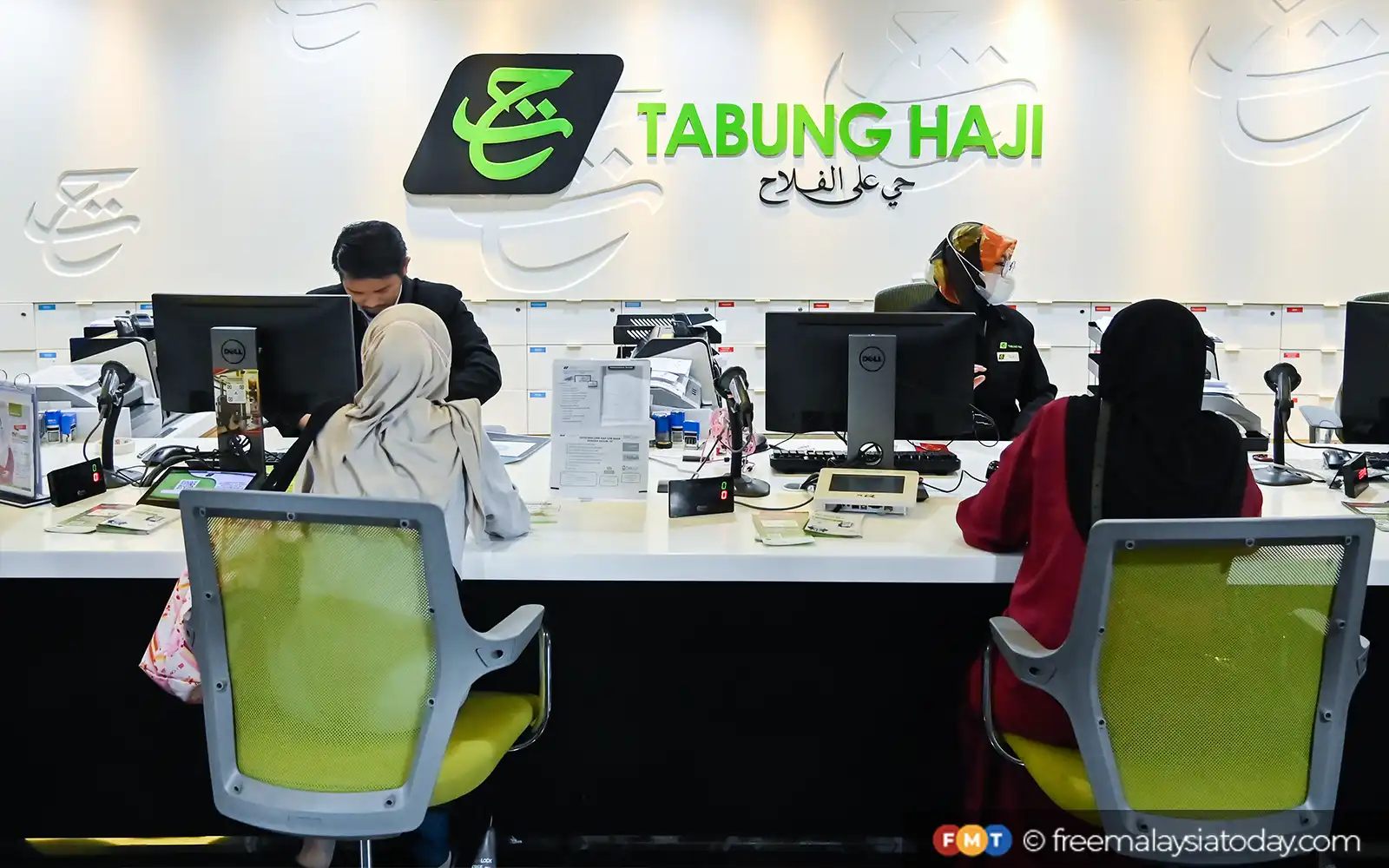
Tabung Haji's financial setbacks have caused broader economic repercussions for Malaysian businesses, warns an economist. Harridon Suffian of Universiti Kuala Lumpur Business School claims the fund's issues likely affected the revenues and profit margins of companies within its network. He explained that reduced spending from TH would have resulted in fewer projects and orders for its partners, suppliers, subcontractors, and small and medium enterprises, many of which are Malay-owned.
This would have stunted their growth and prevented them from participating more actively in the nation's economic development.
The royal commission of inquiry (RCI) into TH's management and operations from 2014 to 2020 uncovered investment irregularities and weaknesses in the fund's financial reporting and governance. Among these issues was the failure to recognize a RM164.58 million decrease in the value of TH's investment in TH Heavy Engineering (THHE) in its 2017 financial statements.
Other findings highlighted financial pressures on TH Plantations, which sold assets to repay debt and reduced spending, leading to lower palm oil production. Measures were taken to address these problems, such as the disposal of Trurich Resources Sdn Bhd's subsidiaries and efforts to recover funds related to the Putrajaya Perdana investment.
Harridon noted that the resources devoted to resolving past TH losses diverted capital spending that could have supported new investments and future earnings. He emphasized that sustained growth relies on having enough capital to invest, which the financial strain has restricted. Additionally, taxpayer-funded rescues come with the cost of forgone economic projects that could have been supported by the money. It is crucial to scrutinize recovery efforts beyond just addressing the losses, according to Harridon.
Ahmad Zaharuddin Sani Ahmad Sabri of Global Asia Consulting stated that financial recovery should not mark the end of scrutiny regarding how investments were approved or their impact on others. He stressed the importance of forensic audits of problematic investments and taking firm action against police reports and complaints regarding wrongdoing.
Zaharuddin drew a line between ordinary investment risk and governance failures, emphasizing that losses alone do not equate to a crime. He urged those who prepared, scrutinized, and approved investment decisions to clarify their actions rather than allowing responsibility to become blurred between management, boards, and approving authorities.
He called for independent investigations and regular parliamentary updates on forensic audits, civil actions, and recovery efforts, ensuring that financial recovery does not end questions of accountability.
Written by urgent.news from Free Malaysia Today's reporting — not their text. Machine-written — may contain errors; check the original before relying on it.
This story
This is one outlet's version. Read the fullest account.
- TH’s losses carried wider cost for businesses, economy, says economist freemalaysiatoday.com