Three dormant US nuclear reactors are being restarted to power AI data centers
Two US nuclear plants are set to come back online as soon as 2027, with a third set to arrive by 2029.
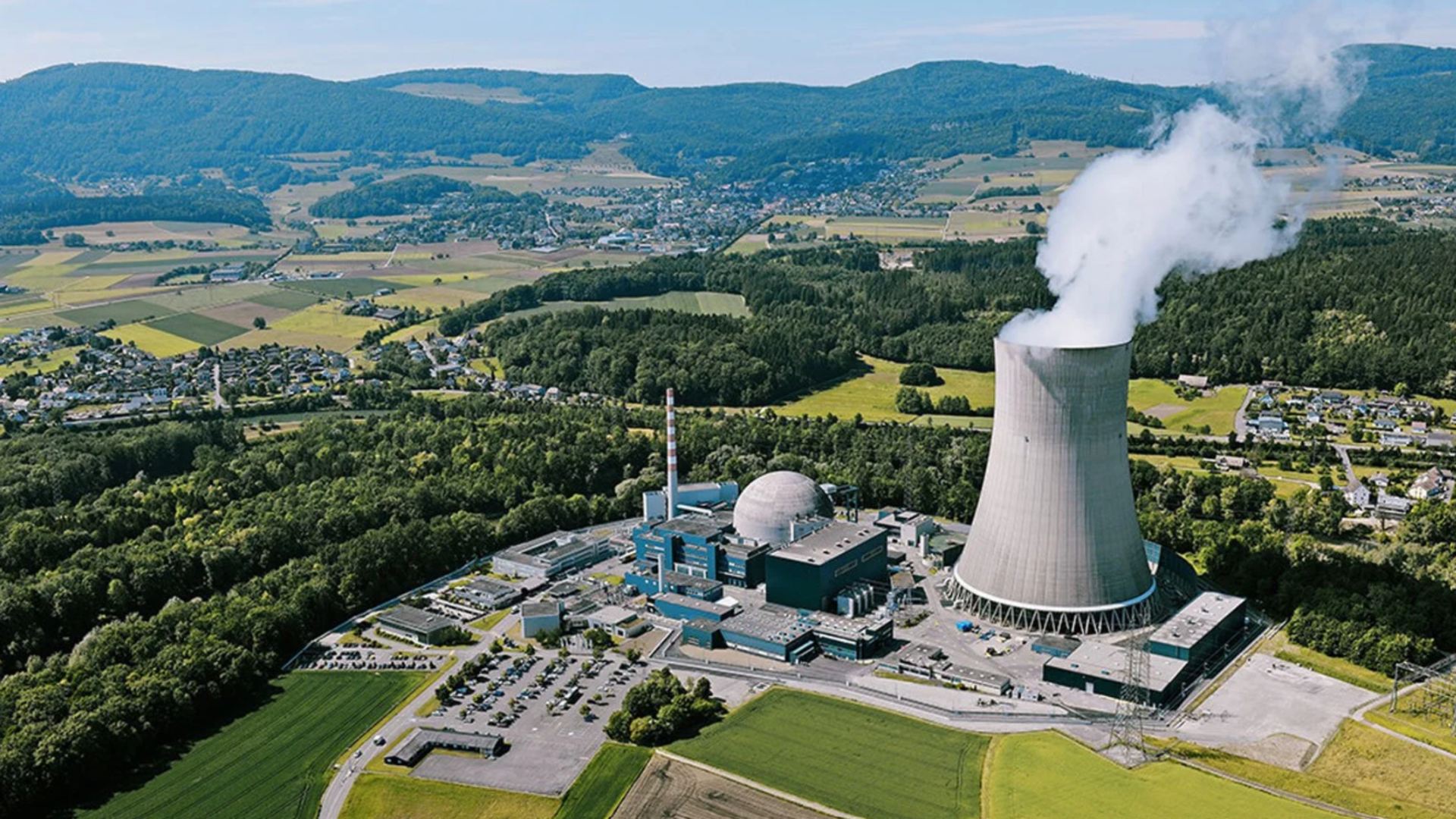
The United States is considering the restart of three previously closed nuclear power plants in order to meet the growing energy demands of artificial intelligence (AI) data centers, according to reports. This effort aims to provide 2.25GW of electricity, enough to power two million homes and businesses, as part of the country's broader goal to transition to cleaner and more reliable energy sources. The Department of Energy is reportedly providing up to $4.4 billion in federal loans to support these projects.
Microsoft and Google have already signed agreements to purchase electricity from two of these facilities, with restarts slated for between 2027 and 2029. The first of these plants, the Palisades Nuclear Plant in Michigan, had been decommissioned in 2022 due to its owner's withdrawal from the nuclear power business. Electricity purchase agreements require this plant to return to service by March 2027, just half a year away.
Similarly, the Crane Clean Energy Center in Pennsylvania and the Duane Arnold Energy Center in Iowa are also expected to resume operations in 2027 and 2029, respectively.
For nuclear engineering expert Todd Allen, nuclear power provides an essential source of zero-carbon electricity. The Trump administration has expressed a strong interest in nuclear energy, with an executive order in May 2025 aiming to quadruple the US nuclear generating capacity from around 100GW in 2024 to 400GW by 2050. However, these plans face criticism, particularly regarding the safety of aging reactors in a world of heightened geopolitical tensions and natural disasters.
Written by urgent.news from TechRadar's reporting — not their text. Machine-written — may contain errors; check the original before relying on it.