The Year the World Turned on Data Centers
Infrastructure that once flew under the radar is now the subject of national and global outrage.
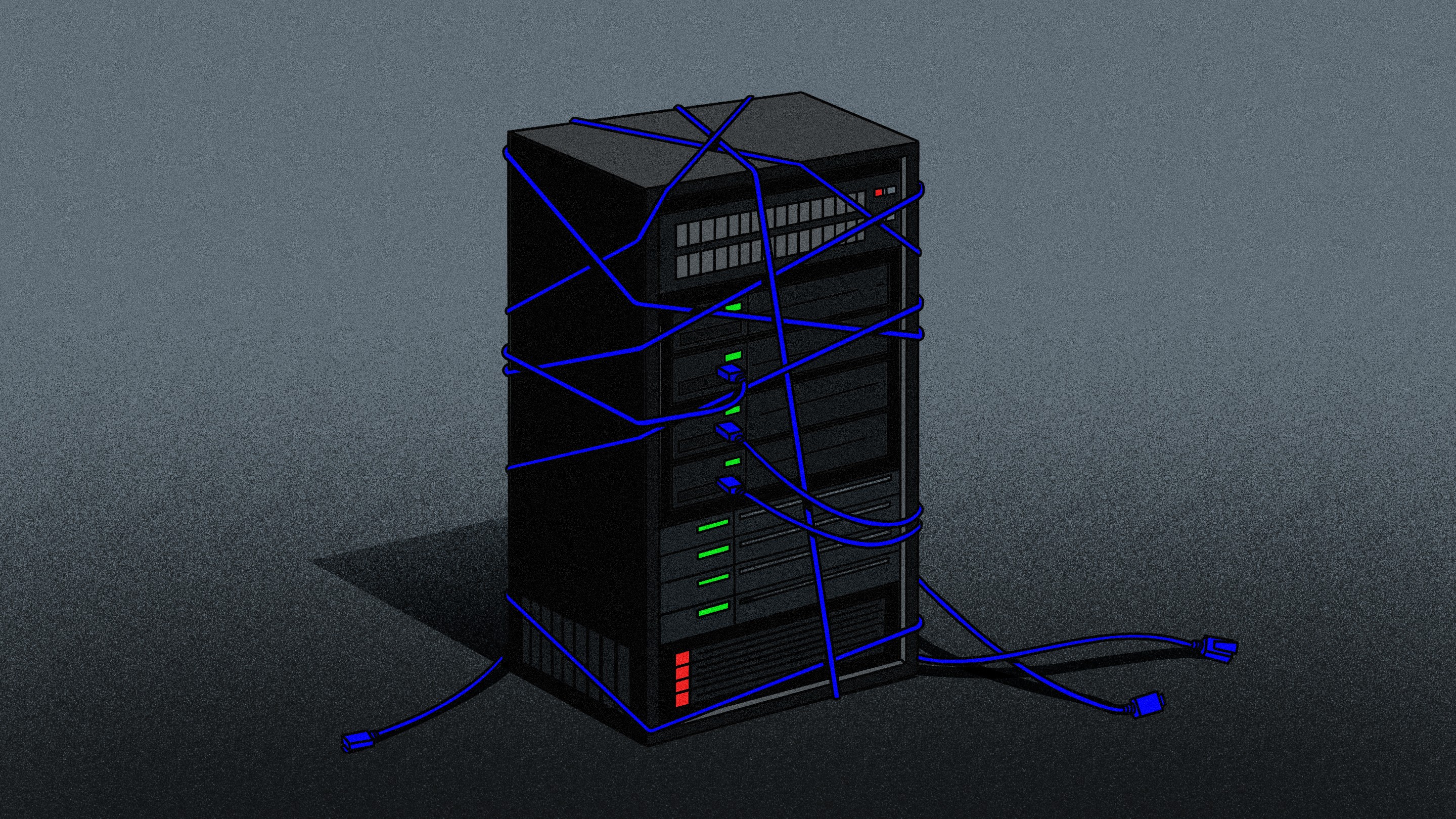
In recent years, data centers have transitioned from being obscure, industrial facilities to a central focus in the national discourse. These hidden buildings, packed with servers and hard drives, are crucial for powering services like Uber, Amazon, and Google. Hyperscale data centers, hosting hundreds of thousands of servers, require hundreds of megawatts of electricity, akin to powering a medium-sized city.
This scale presents numerous challenges, including strain on electrical grids, demand on water systems, and environmental impacts such as noise and light pollution for nearby communities.
The rapid expansion of data centers began with the release of ChatGPT at the end of 2022, triggering a surge in construction. However, this growth has sparked public opposition. A poll revealed that 75% of Americans were against developing such projects near their residences. Consequently, data centers have become a focal point in the upcoming midterms and the 2028 presidential elections.
Senator Bernie Sanders called for a national moratorium on data-center construction, citing concerns about AI's impact on workers' livelihoods and personal relationships. Sanders argued that AI, driven by billionaires like Bezos, Musk, and Zuckerberg, was enhancing corporate power while potentially diminishing human connection.
While Sanders' proposal received support from progressive Democrats, Republicans also criticized data centers. Florida Governor Ron DeSantis aimed to empower local governments to reject data-center construction and establish standards to mitigate AI-related risks. He assured voters that his stance was not driven by "woke" ideology but focused on protecting jobs, communities, and societal welfare.
The tension between advancing generative AI and public opposition has led many governments to grapple with balancing technological advancement with environmental and social concerns. For instance, New York adopted a statewide pause on hyperscale data-center projects, and Denmark and Thailand have temporarily halted construction. These actions highlight the growing divide between the need for AI development and the public's resistance to the massive infrastructure required to support it.
Europe is also witnessing a shift in priorities, with countries like Ireland introducing bans in certain areas due to energy demands exceeding supply. Meanwhile, the U.S. tech industry is increasingly under scrutiny. Despite Trump's endorsement of the data-center industry, politicians in states with significant data-center clusters are reconsidering their positions in response to public sentiment.
The social and environmental costs of this infrastructure are becoming a significant issue, forcing politicians to adapt their stances in the face of shifting political winds.
Written by urgent.news from The Atlantic's reporting — not their text. Machine-written — may contain errors; check the original before relying on it.