The world’s first spinal cord transplant has been performed in Russia
A surgeon has told New Scientist they have performed a transplant on someone with a complete spinal cord injury using a piece of spinal cord from a brain-dead donor, but researchers have raised concerns
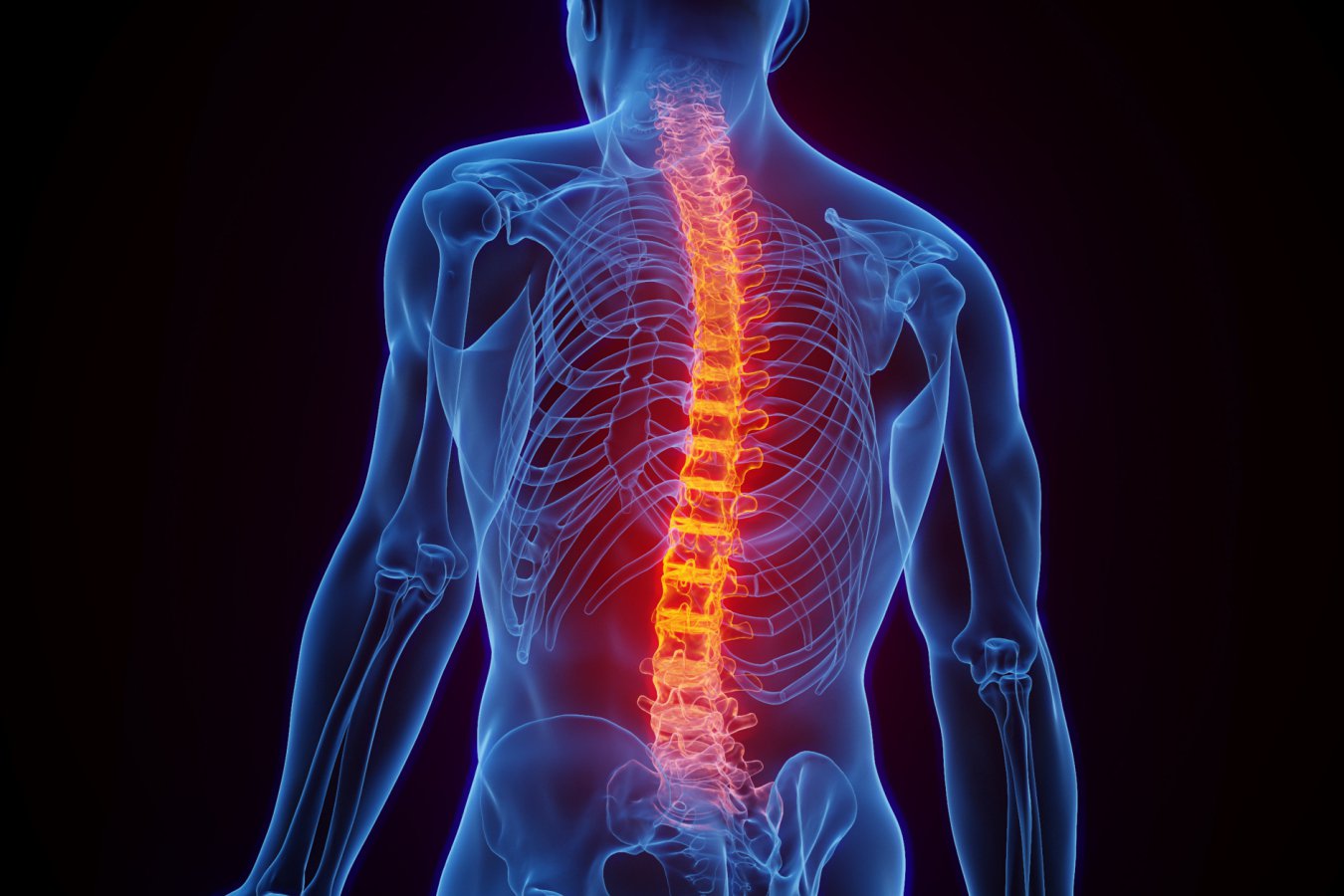
In a groundbreaking medical procedure, Russia has performed the world's first human spinal cord transplant. The surgery involved removing a damaged segment of a patient's spinal cord, three years after their injury, and replacing it with a section from a brain-dead donor. The patient, who had a complete spinal cord injury due to external trauma, is reportedly doing well. However, the operation has sparked concerns among some researchers, who question its effectiveness and fear potential negative outcomes.
The surgery was conducted by Xiaoping Ren at the Second Affiliated Hospital of Guangxi University of Chinese Medicine, who performed the procedure at the Sklifosovsky Institute for Emergency Medicine in Moscow. Ren explained that the surgery utilized polyethylene glycol (PEG) and microsurgical techniques to fuse the donor segment to the recipient's spinal cord. Ren assured the patient of all potential risks and outcomes, and the current condition of the patient is reported to be good.
Sergio Canavero, a researcher at Harbin Medical University in China, expressed excitement about the surgery, stating that it marks a significant moment for spinal cord injury. However, some experts remain skeptical about the procedure's potential benefits. Melissa Andrews, a researcher at the University of Southampton, cautioned that the patient might be worse off after the surgery due to the extensive recovery needed and minimal expected benefits. She also expressed concerns about the high risk of infection.
Andrews emphasized the challenges in repairing spinal cord injuries, as spinal cord cells do not divide or regrow, and damaged areas degrade further after injury. For years, Ren, Canavero, and others have been developing a procedure to fuse spinal cord surfaces using PEG to promote nerve fibre growth. This approach aims to restore communication between the brain and neural circuits below the injury site.
While some animal studies have shown recovery of movement using this technique, the complexity of reconnecting a severed spinal cord years after injury or integrating a donated spinal cord segment presents significant challenges. Andrews highlighted the need for molecules that promote tissue healing and neutralize natural braking factors on nerve fibre growth to achieve functional integration. She also expressed doubts about the strength of the animal evidence supporting the surgery.
Andrew Jackson from Newcastle University acknowledged that PEG can assist in rejoining severed spinal nerves but suggested that stem cells are more commonly used to encourage nerve fibre growth. He believes that functional integration of adult nervous system pieces remains a difficult task. Jackson expressed hope that additional supporting evidence for the surgery will be made available for peer review soon, ensuring transparency and clarity for people living with spinal cord injuries.
Written by urgent.news from New Scientist's reporting — not their text. Machine-written — may contain errors; check the original before relying on it.