The way we consume energy is changing. Abu Dhabi’s integrated system has already embraced that change
As AI and other sources drive rising electricity demand, the question is no longer which energy source will grow fastest, but how to build the right mix to deliver reliable, affordable and lower-carbon power
The global energy landscape is undergoing a transformation, driven by increasing demand and growing concerns over sustainability. Major energy companies such as BP, Shell, and ExxonMobil are reevaluating their strategies to ensure reliable and affordable power. The International Energy Agency predicts that global electricity demand will surge at an average annual rate of 3.6% between 2026 and 2030, marking a significant acceleration from the past decade's growth.
A notable trend is the rapid expansion of data centers, particularly those focused on artificial intelligence (AI). Data center electricity consumption has risen by 17% in 2025, with AI-focused facilities alone seeing a staggering 50% increase. While AI is digital, it requires substantial physical resources, including land, energy grids, clean power, water, and cooling systems.
This raises the question of how to construct an energy mix that balances reliability, affordability, and reduced carbon emissions amidst rising demand.
In Abu Dhabi, the government has been constructing such an ecosystem for over five decades. The city's energy and water architecture integrates various components to provide secure, sustainable, and affordable energy. Hydrocarbon production, including oil and gas, remains crucial for energy security, especially as clean energy technologies continue to scale. Abu Dhabi National Oil Company (ADNOC) has developed Murban crude, which has a lower carbon intensity compared to the global industry average.
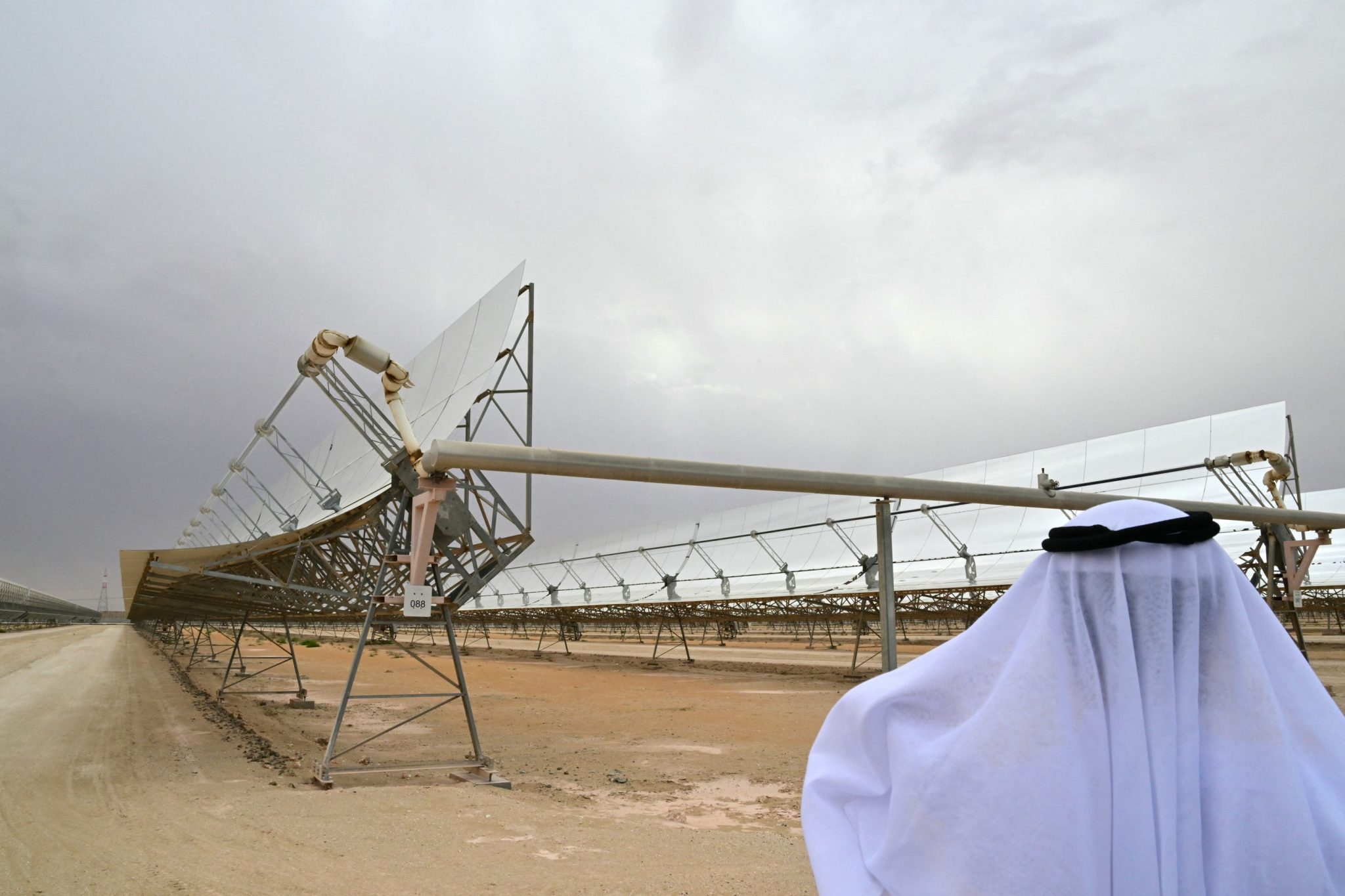
Clean, reliable power is another critical element. Abu Dhabi's experience demonstrates the effectiveness of long-term planning in creating a diverse and resilient energy mix. Emirates Water and Electricity Company (EWEC) has met over 80% of the emirate's power demand using renewable and clean energy sources, primarily solar and nuclear. The Barakah Nuclear Energy Plant supplies a significant clean baseload, while Masdar's renewable energy portfolio has grown to 65GW, with plans to reach 100GW by 2030.
Water management is also integral to Abu Dhabi's energy strategy. As AI and other power-intensive industries grow, water is required for cooling data centers, creating a feedback loop between energy and water consumption. Abu Dhabi has addressed this challenge by diversifying its desalination efforts, managing energy demand, and implementing long-term infrastructure planning. This holistic approach ensures water security and energy resilience, particularly crucial as water scarcity becomes a pressing issue worldwide.
Lastly, Abu Dhabi emphasizes the importance of long-term capital investment. Energy systems necessitate decades-long investment cycles, making it essential to have capital that can withstand market fluctuations. Additionally, forward-looking regulations, agile planning, and commercial foresight are vital to align energy, water, and digital infrastructure development successfully.
As the AI economy expands, Abu Dhabi's approach will be critical in ensuring that power and water systems can support the speed and reliability required by this emerging sector.
Written by urgent.news from Fortune's reporting — not their text. Machine-written — may contain errors; check the original before relying on it.