The Controversial Faces Of RSS
Rashtriya Swayamsevak Sangh (RSS) chief Mohan Bhagwat’s Vijayadashami speech in Nagpur was keenly awaited as it marked the culmination of the organisation’s centenary celebrations. The occasion offered him an opportunity to reflect on developments in India and the world, particularly the protest movement challenging the NDA government. What emerged, however, was a striking contrast with the…
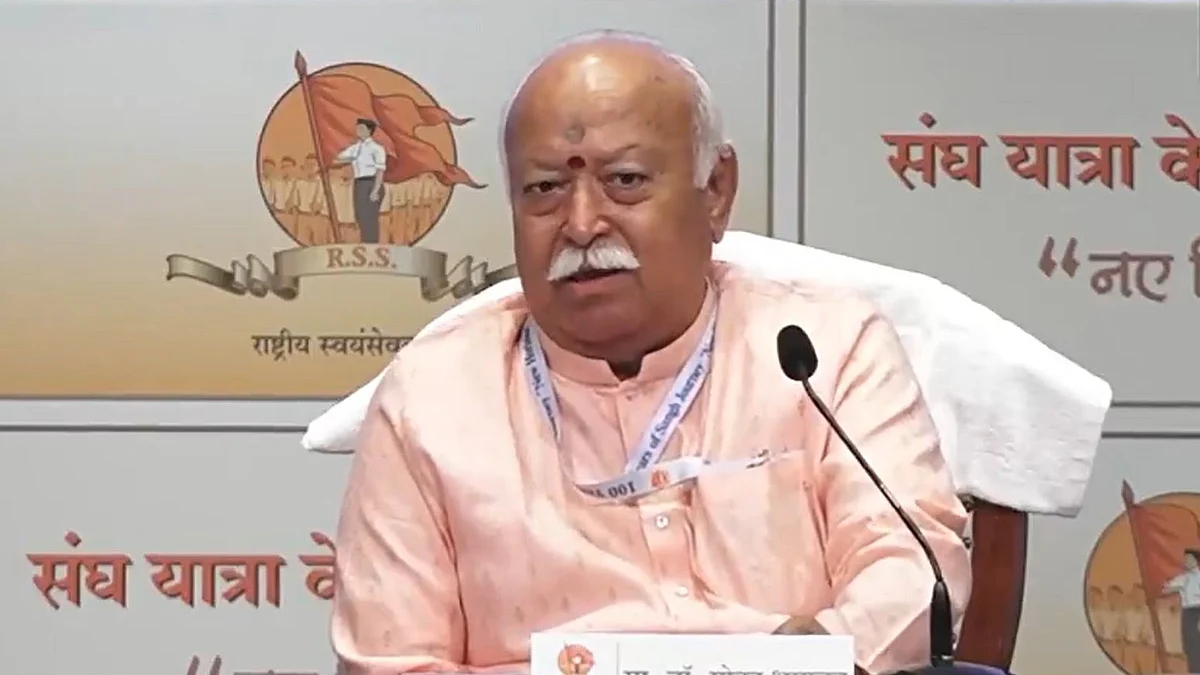
The Rashtriya Swayamsevak Sangh (RSS) chief Mohan Bhagwat faced controversy following contrasting statements during his speeches in Nagpur and Mumbai. Bhagwat delivered his centenary celebration address in Nagpur, where he warned about external forces attempting to destabilize India and threatened traditional cultural values. In contrast, two months earlier, during his address in Mumbai to nearly 2,000 students from over 100 cities, he adopted a more conciliatory tone, expressing faith in the younger generation, known as "Gen Z," and urging mutual respect among students.
He also claimed that students involved in protests should not be labeled as anti-national. However, his Nagpur speech suggested a more suspicious stance, warning of a "storm from the West" and allegations of political upheavals in various countries working to weaken India. This discrepancy highlights a contradiction within the RSS: an invitation to dialogue when addressing the youth, but a warning against dissent when speaking to its faithful base.
This dichotomy underscores the need for clarity on the RSS's stance regarding protest movements and their legitimacy.
Written by urgent.news from Free Press Journal's reporting — not their text. Machine-written — may contain errors; check the original before relying on it.