Supercharged fire seasons now threaten half Australia's homes: report
With a strong El Niño summer looming, modelling reveals fire seasons are 21 per cent longer than they were 50 years ago, cause $6b in damage a year, and 5.6 million homes are at risk.
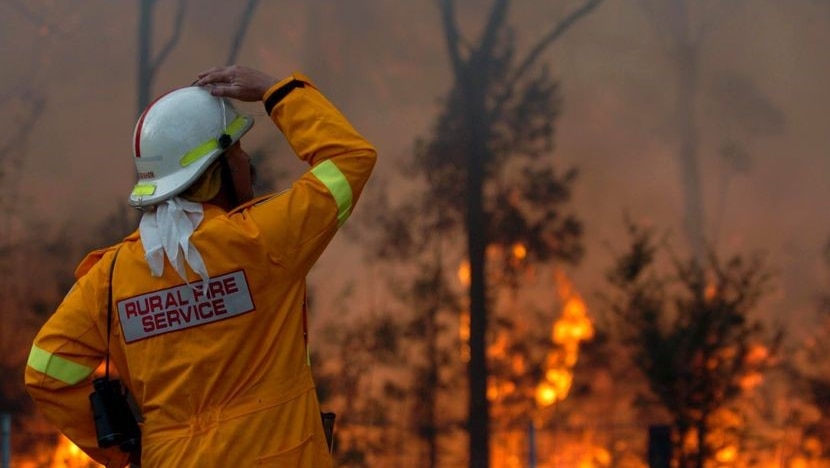
A new report reveals that fire seasons in Australia are now 21 percent longer, putting 5.6 million homes at risk. The annual damage bill from bushfires stands at $6 billion, with individual major events costing nearly $30 billion. Australia is bracing for an even harsher summer due to an El Niño, which experts believe could be the strongest on record.
The modelling, commissioned by Emergency Leaders for Climate Action (ELCA), found that the country's fire seasons have extended by 21 percent since 1979, driven by warming global temperatures. Greg Mullins, a former Fire and Rescue NSW commissioner, emphasized that climate change, fueled by fossil fuel burning, is making fire seasons more intense and overlapping across states.
The report highlights that half of Australian households are exposed to bushfire risk, totaling 5.6 million homes. Major events, such as the Black Summer fires, have cost nearly $30 billion. The 2019/20 bushfires alone affected about 45 percent of the Snowy Valleys Council area, causing one death, the destruction of nearly 200 homes, 9,000 livestock fatalities, and 400,000 hectares of burnt land.
Recovery efforts, including road repairs and managing damaged trees, have cost the local council over $50 million. The Black Summer bushfires alone impacted Australia's tourism industry to the tune of almost $3 billion, with insurance claims since 2019 reaching $2.58 billion. Despite predictions of an exceptionally wet El Niño year in 2026, drier-than-average conditions are already appearing across parts of eastern Australia.
Senior climatologist Felicity Gamble noted that the eastern seaboard, from central Queensland through to Tasmania, is experiencing these conditions. The combination of hotter temperatures and increased baseline warming due to climate change is raising concerns about the potential for flash droughts this summer. When combined with heatwaves, vegetation rapidly loses moisture, potentially transitioning into drought-like conditions that fuel fires.
With the typical lag effect from El Niño, next year could become the hottest on record globally, potentially leading to a particularly devastating fire season in 2027/28. ELCA recommends that better infrastructure and home protection could prevent $600 million in bushfire losses and safeguard over 5,600 jobs annually. The federal government's Disaster Ready Fund has invested substantial funds in recent years, but Mullins emphasizes the need for targeted assistance to households, such as upgrading homes to bushfire standards and ensuring essential services like electricity and communications remain functional after a blaze.
Written by urgent.news from ABC News AU's reporting — not their text. Machine-written — may contain errors; check the original before relying on it.