South Korea unveils world's first fielded laser air defense weapon — Hanwha's Cheongwang downs drones in 1 second for just $1.50 a shot
South Korea has deployed Hanwha’s Cheongwang laser weapon, which reportedly destroys drones for $1.50 per engagement, offering an alternative to costly missiles.
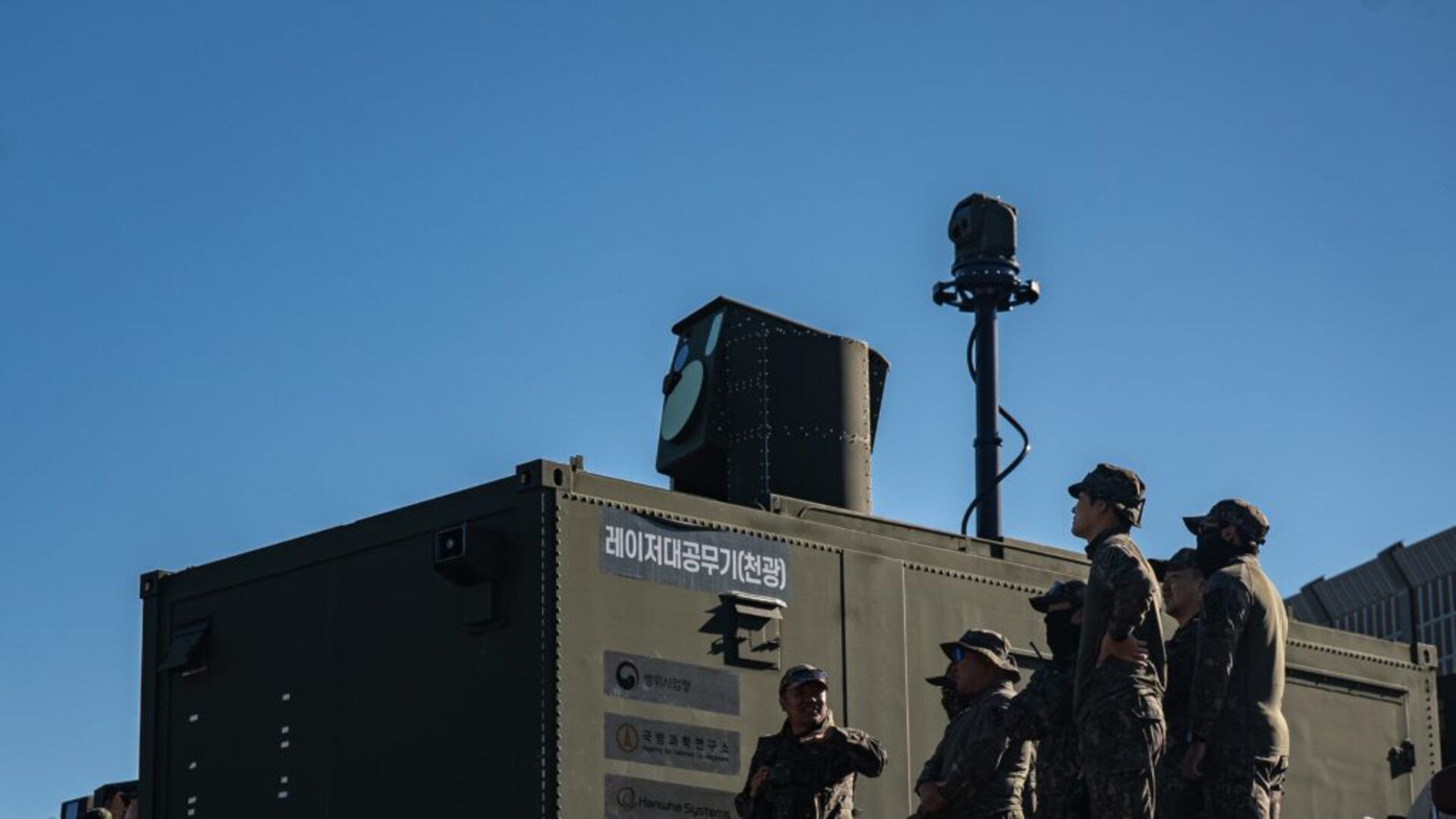
South Korea has unveiled its first operational laser air defense weapon, the Cheongwang, developed by Hanwha Systems in collaboration with the Agency for Defense Development. The system is designed to neutralize hostile drones without the need for conventional ammunition. During a recent exercise, Cheongwang successfully destroyed three drones in just one second, each engagement costing approximately $1.50.
This low-cost solution could potentially reduce the financial burden associated with defending against inexpensive aerial threats. The 30-kilowatt-class weapon operates by directing concentrated laser energy onto an aerial object, damaging its structure or critical components. Hanwha Systems predicts that the high efficiency of the laser technology will make it a cost-effective alternative to expensive interceptor missiles.
The technology behind Cheongwang has gained attention due to the increasing number of conflicts involving drones, such as the ones between Russia and Ukraine or the U.S./Israel and Iran. Joohun Shin, head of Hanwha Systems' Laser Systems Business Centre, believes that laser weapons will fundamentally change the game of air defense.
In line with this vision, Hanwha is also developing a more powerful 50-kilowatt Laser Armored Vehicle for greater mobility and potential international sales. The vehicle was recently demonstrated during the Defense Drone Technology Exhibition in Poland. South Korea's deployment of Cheongwang allows Hanwha to pursue global customers seeking less expensive counter-drone options, although wider adoption will depend on independently verifiable performance and operational reliability.
Written by urgent.news from TechRadar's reporting — not their text. Machine-written — may contain errors; check the original before relying on it.