Shopfronts, parking and bike lanes on voters' minds in Tasmanian elections
With fewer seats on offer and several mayors stepping aside, Tasmania's council elections may radically shake up local government across the island — with just days left for people to cast their vote.
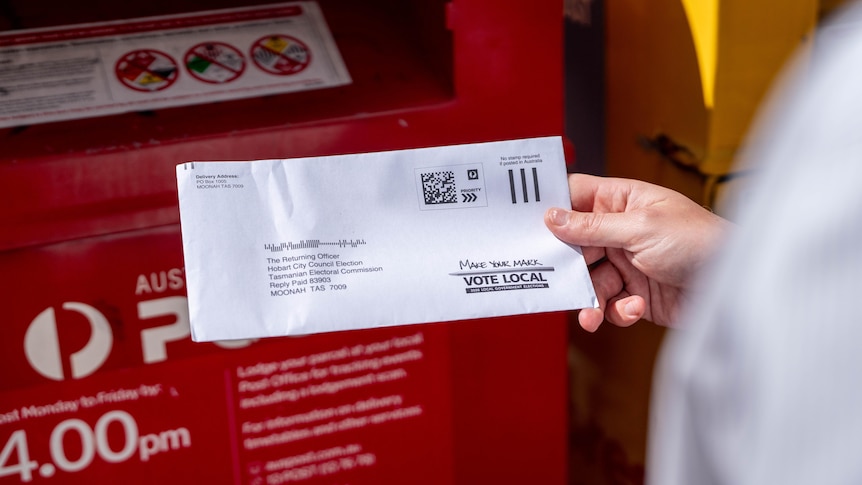
Just days away from casting their votes, around 55 percent of Tasmanians have already returned their council election ballot papers. With fewer seats up for grabs and several mayors stepping down, the election has the potential to reshape Tasmania's local government landscape. The final week of the election sees empty shopfronts, parking concerns, and bicycle lane developments among the issues topping voters' minds.
The state's council elections are set to reduce the number of councillors statewide by 50, with several high-profile mayors deferring their re-election. Each of Tasmania's 29 councils has its own pressing local issues reflecting the desires and needs of residents. Some topics of debate include reducing council rates, repairing roads, and improving the conduct of elected members.
One of the most critical priorities for many is fixing the financial pressures faced by sporting clubs, like the Clarence District Cricket Club, which could see a significant rate increase. For Hobart resident Winnie Nguyen, the number of parking spaces in the city's CBD is the most important factor influencing her vote. Meanwhile, Launceston resident Mick Statham is concerned about cycling infrastructure and the potential revitalization of the city's empty shops.
Phil Douglas from Blackmans Bay is worried about Kingborough Council's recent rezoning plan, which he believes will make property management more difficult. Launceston City Council candidate Maureen Gillard hopes for new leadership to address the surge of developments in Newstead and alleviate traffic congestion. Sandy Bay resident Felicity Williams emphasizes the need for better maintenance of footpaths and kerb ramps, particularly for people with accessibility issues.
Despite mayors having limited voting power, their influence lies in leading council meetings and serving as the public face for decisions. George Town Mayor Greg Kieser, stepping down to allow for new leadership, stresses the significance of mayors' relationship equity with state and federal stakeholders. With the reduction in the number of councillors statewide, councils will now have seven seats each, forcing leaders to be more strategic and selective in their approach.
Written by urgent.news from ABC News AU's reporting — not their text. Machine-written — may contain errors; check the original before relying on it.