Schnief! - Was hilft?: Der Hals kratzt: Kann ich eine beginnende Erkältung stoppen?
Vitamin C- oder Zinktabletten, Ingwershot und Sofaruhe: Wer erste Anzeichen einer Erkältung bemerkt, tut oft vieles in der Hoffnung, das Schlimmste doch noch abzuwenden. Geht das? Ein Arzt ordnet ein.
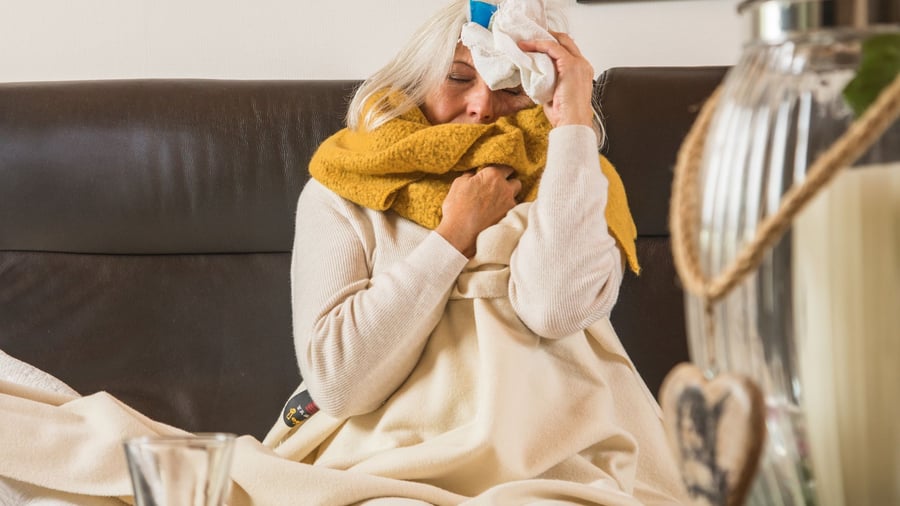
Woke up with a dry, itchy sensation in the throat? Welcome to cold season! It's frustrating that coughs, sneezes, and other symptoms often arrive when we least need them. Can you stop a budding illness now? "A very clear no," says Dr. Markus Tullius, chief physician and general practitioner at Helios Klinik Wipperfürth. Whether it's a runny nose or a painful throat, these are the symptoms produced by our immune system to combat the viruses.
However, the infection has been around for some time already. Typically, it takes around 48 hours from contact with respiratory viruses to the onset of symptoms. The onset of the first signs suggests that the viruses have already established a high presence in the mucous membranes, against which the body is fighting. The sobering fact is that we can't stop the cold now.
Many people, nonetheless, embark on a ritualistic anti-cold program at the first sign of a sore throat. They might try ginger shots, hot tea, or warm baths, hoping to turn the tide. While these measures may not prevent the cold, they can still offer some benefits. "Taking care of yourself makes you feel like you're doing something and can offset the feeling of helplessness," Dr. Tullius explains.
Vitamin C and zinc supplements, which many swear by during cold season, haven't been proven to prevent or halt infections, according to scientific evidence. However, regular intake of vitamin C may shorten the duration of cold symptoms slightly, as shown by studies from "healthinformation.de". The same applies to regular zinc tablet usage, but the Cochrane international research network classifies the evidence as uncertain.
Zinc supplements can cause side effects like taste disturbances and gastrointestinal problems. So, when you need to function, what can you do? Sometimes, you just have to stay healthy. Over-the-counter combination cold medications, containing pain-relieving and fever-reducing drugs like paracetamol, ibuprofen, or NSAIDs, and decongestants like pseudoephedrine, can help when you need to be fit.
Dr. Tullius says they can keep you going during the day, but you might feel worse at night. Pseudoephedrine, however, may delay the infection onset. And not everyone realizes that certain medications contain pain-relieving drugs. Taking a pain reliever in such cases could lead to exceeding the recommended daily dosage. The most prudent approach: rest and drink tea.
Even though there's a lot to do, resting and accepting that your body is fighting the virus is best. The good news is that colds are self-limiting, lasting about three days, then subsiding. Dr. Tullius puts it simply: "Three days of cold, three days of cold, three days gone."
Written by urgent.news from Handelsblatt's reporting — not their text. Machine-written — may contain errors; check the original before relying on it.