Rockets, robots and risk: Musk’s $3.6tn gamble to merge Tesla and SpaceX
The world’s richest man attempts his most audacious deal yet. But shareholders and global regulators will need convincing
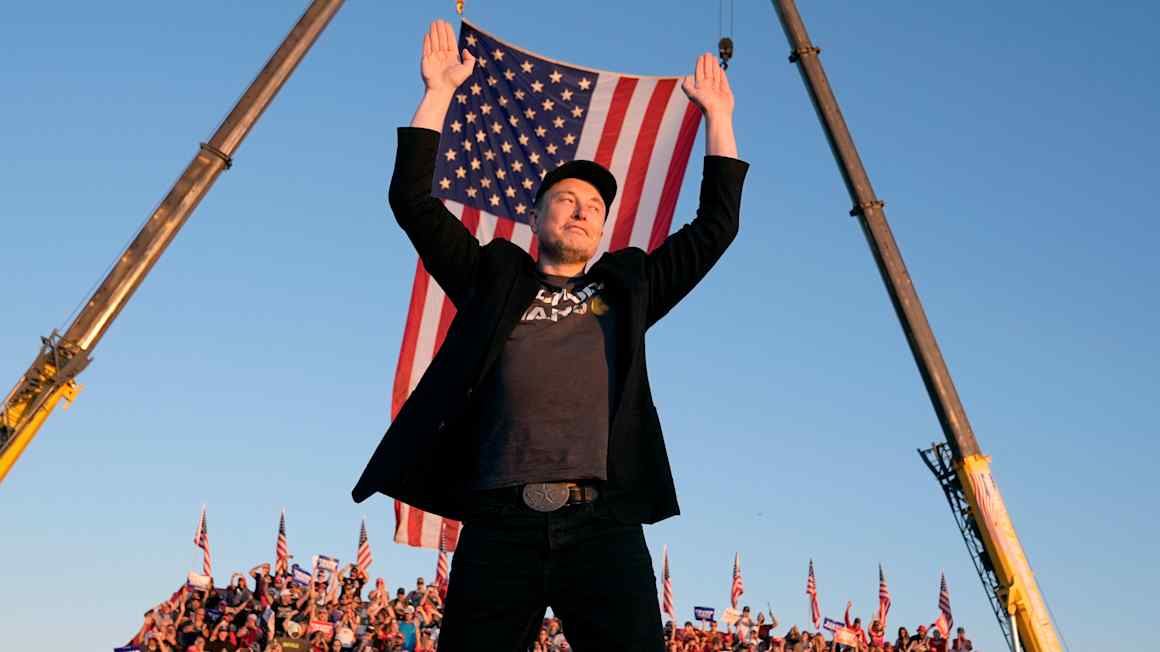
On October 21, Tesla and SpaceX co-founder Elon Musk expressed his support for merging the two companies, suggesting that it could create a valuable, integrated technology and manufacturing empire. Musk believes the companies' long-term vision aligns with the potential development of superintelligence, and merging them could foster cooperation on software, chip design, robotics, mass-to-orbit capabilities, and connectivity.
The proposed merger would bring together Tesla's expertise in automobiles, energy storage, autonomous driving, and robotics with SpaceX's capabilities in satellite communications, launch services, space ventures, and advanced manufacturing. This integration could improve decision-making by streamlining approvals and providing management with greater freedom to deploy resources where they are most needed.
Under a merged company, Tesla shareholders would gain access to SpaceX's Starlink broadband operation, launch services, and future space endeavors, while SpaceX investors would own Tesla's vehicles, energy storage, autonomous driving, and robotics businesses. The combined entity could potentially become one of the world's most valuable corporations, valued at around $3.5 trillion, by consolidating leadership positions in multiple industries.
Supporters argue that the merged company could allocate capital more efficiently across interdependent businesses, while critics express concerns about the broader range of technical, regulatory, and execution risks that investors would assume. Some risks may be connected, such as Starlink satellites potentially providing communications for Tesla's robotaxis and Optimus humanoid robots, while Tesla's battery and energy-storage products could support SpaceX's growing power needs.
A notable example of current collaboration between the two companies is Terafab, a semiconductor and AI-computing project aimed at producing advanced chips for Tesla's autonomous vehicles and SpaceX's AI and data-center ambitions. Musk hopes it can start volume production by late 2028. Tesla's large-scale factory automation could complement SpaceX's efforts to industrialize Starship production, while SpaceX technologies have already been integrated into Tesla products, such as the planned use of rocket-derived components in the next-generation Roadster.
However, challenges remain, including geopolitical and regulatory issues, as SpaceX is a significant contractor for the US military, intelligence agencies, and NASA, while Tesla remains heavily tied to China through its Shanghai factory. The merger would likely face scrutiny from US regulators, national-security officials, and Chinese authorities. Additionally, shareholders would need to be convinced that combining two complex businesses would create more value than maintaining their separate identities.
Written by urgent.news from Investing.com's reporting — not their text. Machine-written — may contain errors; check the original before relying on it.
This story
This is one outlet's version. Read the fullest account.
- Explainer-Why would Musk merge SpaceX and Tesla? investing.com