Reintroducing fuel levy relief ‘will come at a cost’ for Treasury
SA can't afford for such a move to become entrenched, say some economists, while the DA says a more sustainable long-term RAF solution is needed
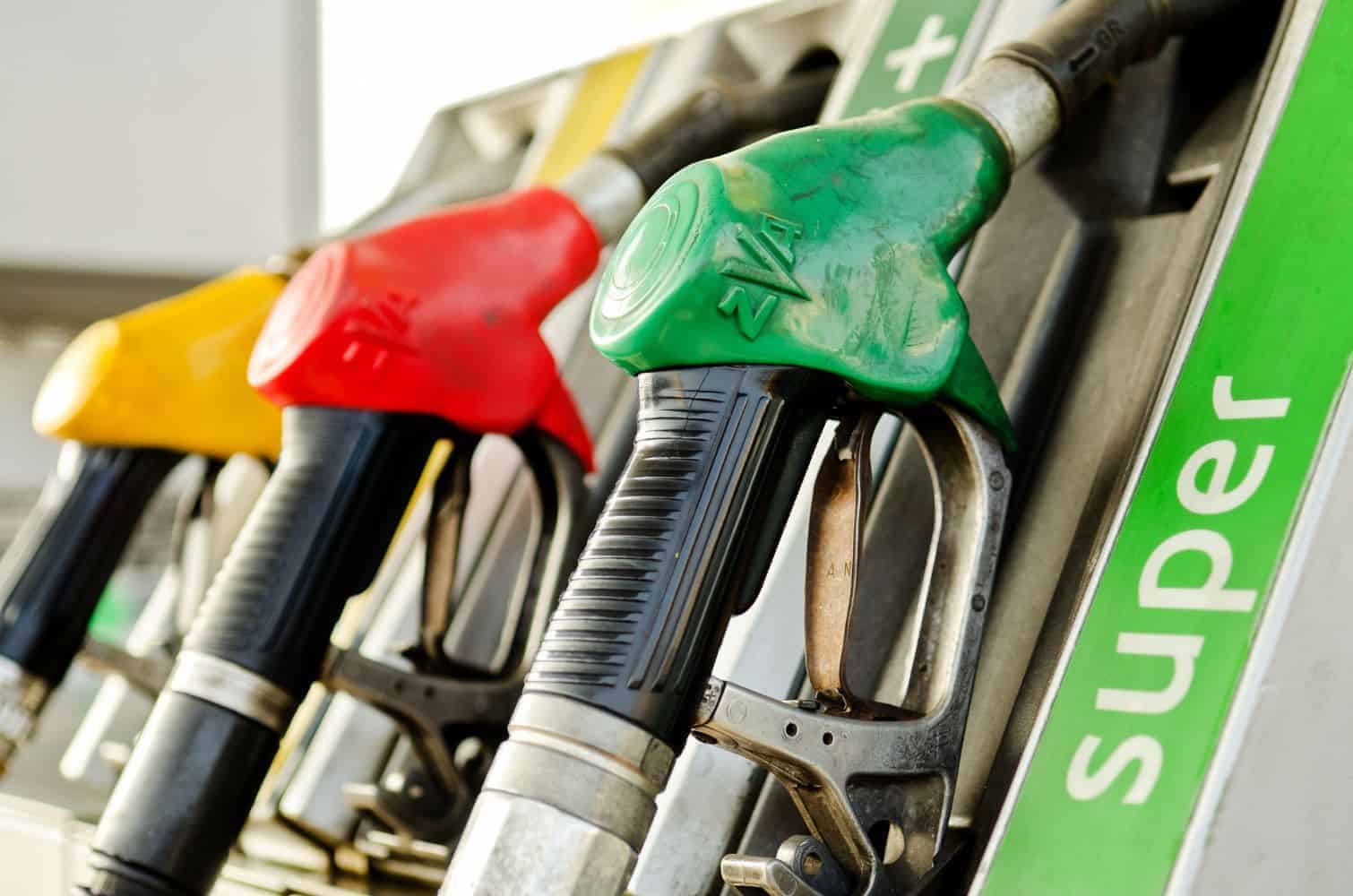
Economists from CitiBank and PSG Financial Services have cautioned that reintroducing fuel price relief could detrimentally impact South Africa's fiscal position. This comes after the country already received three months of fuel levy relief this year amid global oil price surges. Gina Schoeman of CitiBank explained that while a brief reduction might be feasible, it should not be anticipated as a routine solution.
Schoeman noted that consumers are already experiencing financial strain, but the primary driver of high fuel prices is also linked to the country's limited oil refining capacity and reliance on fuel imports. Schoeman further revealed that the South African government could potentially garner tax revenues up to R80 billion by the end of FY2026/27.
However, she cautioned that Treasury may not bank on this revenue due to the unpredictable nature of global markets. Similarly, Johann Els of PSG Financial Services suggested that there are uncertainties regarding further fuel levy relief, especially considering the R17 billion already spent this year. Both economists highlighted that the potential benefits of enhancing credit ratings might outweigh the immediate benefits of fuel price relief for consumers.
Written by urgent.news from The Citizen's reporting — not their text. Machine-written — may contain errors; check the original before relying on it.