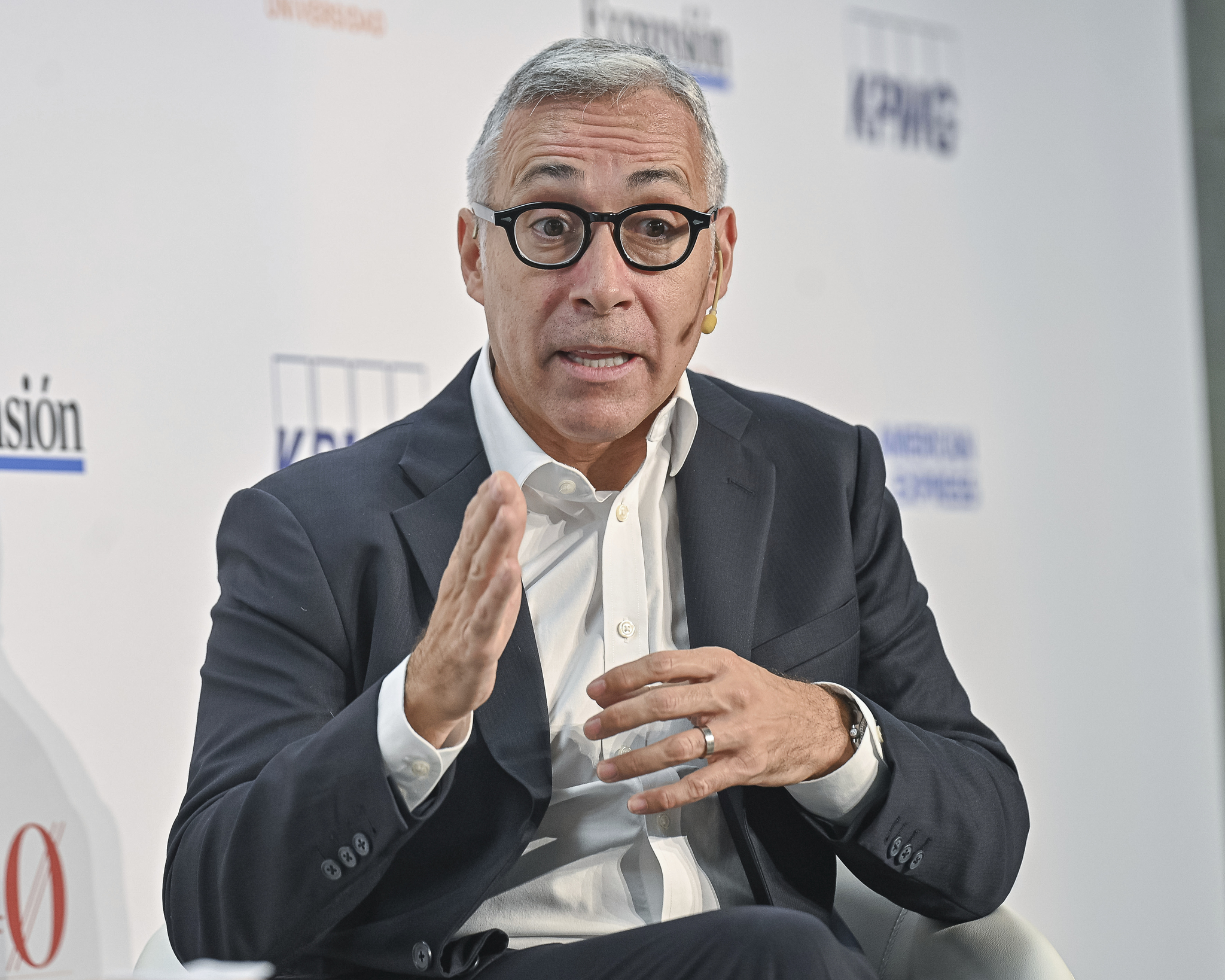
‘Own goal’ – City chiefs warn Healey higher bank taxes hurt jobs outside London
Top City chiefs are launching last-ditch attempts to stop a punishing tax raid on banks at the Budget, warning the move will hurt jobs and growth outside of London. Rain Newton-Smith, the chief executive of the CBI, is set to warn Chancellor John Healey that increasing taxes on banks would be an “own goal for [...]

City chiefs are launching a final effort to prevent Chancellor John Healey from implementing a significant tax increase on banks during the upcoming Budget. The warning comes from Rain Newton-Smith, chief executive of the CBI, who will tell the Chancellor that raising taxes on banks would be "an own goal for our competitiveness."
Newton-Smith's remarks were made at the CBI's Autumn Reception, where he stressed that when London thrives, it creates jobs across the UK, supporting supply chains, attracting investments, and fostering growth in other regions.
The proposed tax increase is intended to generate £2 billion annually for the Treasury. However, UK Finance boss David Postings has called on the Chancellor to "keep bank taxes stable" in the Budget. Postings argues that banks make a substantial contribution to UK public finances through employment taxes, particularly from highly skilled jobs in cities like Belfast, Birmingham, Manchester, and Leeds.
Yet, Postings warns that increasing the surcharge would lead to a reduction in lending, weaken international investment in the UK, and result in lost economic activity, thus hurting jobs and growth across the country.
The push for higher taxes on banks has gained momentum recently, following calls from the Labour left and trade unions. The government's fiscal flexibility, which was previously estimated at £24 billion, has been significantly reduced due to rising borrowing costs linked to the US-Iran war. City industry leaders have concerns about the high tax rates that UK banks already face compared to international competitors, with PwC estimating that total taxes on UK banks amount to 46% of profits, compared to 42% in Amsterdam, 39% in Frankfurt, 29% in Dublin, and 28% in New York.
In a letter signed by industry chiefs representing TheCityUK, AFME, and the City of London Corporation, the concerns were reiterated that a higher tax burden may not generate higher tax receipts if capital, people, and businesses move elsewhere. The IMF's visit last week saw Healey praising banks as "part of the jewel in the British economic crown," but when questioned about taxing the sector, he noted that banks are integral to the UK's economic fabric.
However, some in the City believe that such a tax would be a "retrograde step." Despite the opposition, a Treasury spokesperson stated that decisions on tax rates are left to the Chancellor's discretion during fiscal events.
Written by urgent.news from City AM's reporting — not their text. Machine-written — may contain errors; check the original before relying on it.