On this day in space! Oct. 21, 2008: India launches its 1st mission to the moon with Chandrayaan-1
1, 2008, the Indian Space Research Organization launched its first mission to the moon. Here's why it mattered.
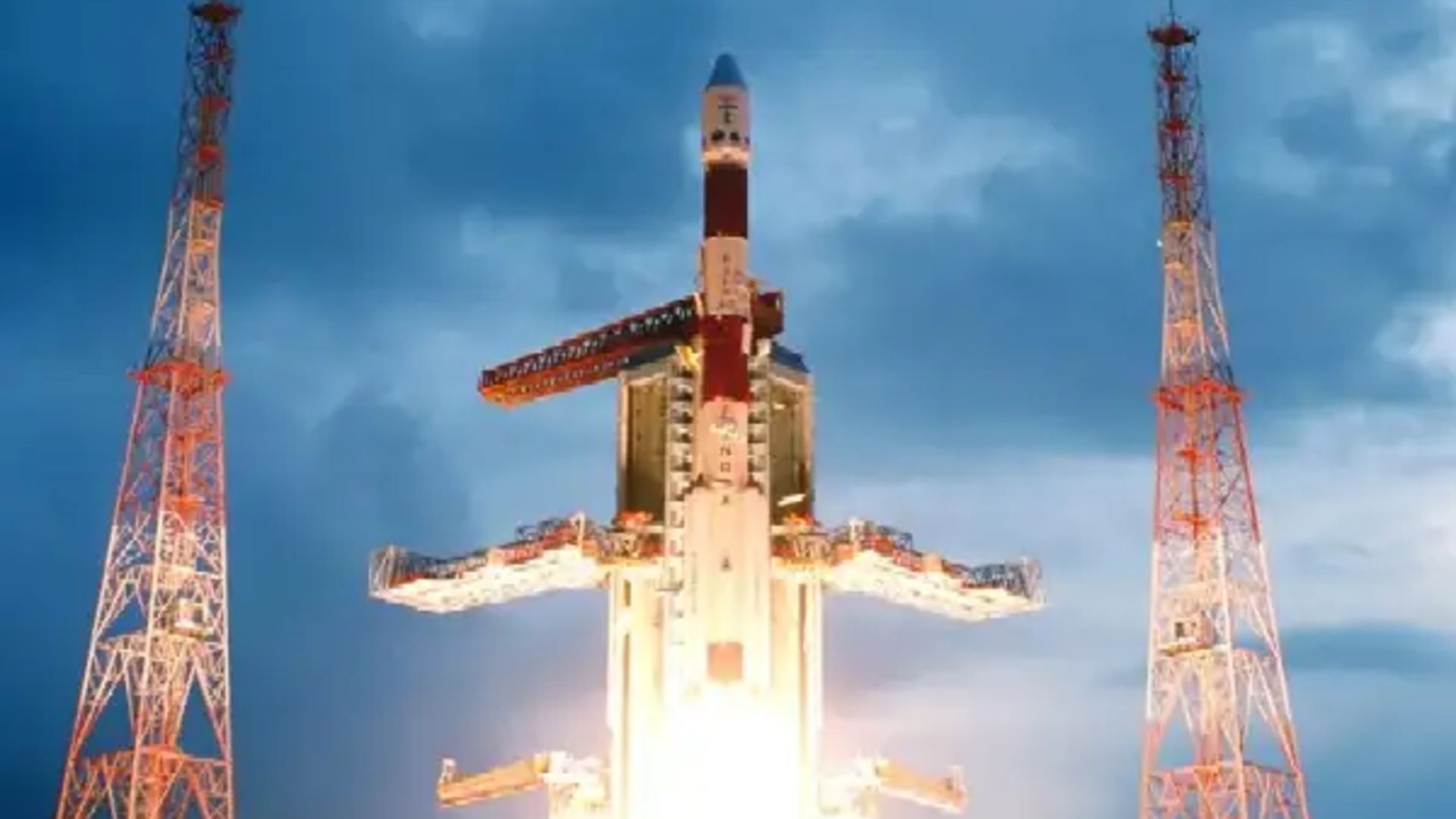
On October 21, 2008, the Indian Space Research Organization (ISRO) successfully launched the Chandrayaan-1 mission, marking their inaugural venture into lunar exploration. This mission consisted of two components: an orbiter and an impactor, both of which were launched from the Satish Dhawan Space Center aboard an Indian rocket known as the Polar Satellite Launch Vehicle (PSLV-XL). The launch occurred at 8:52 p.m. EDT, though it was approximately 6:22 a.m. local time at the launch site on October 22.
The Chandrayaan-1 spacecraft arrived in lunar orbit around three weeks later, completing its journey in approximately a month. Three weeks after entering lunar orbit, the Moon Impact Probe was separated from the spacecraft and crashed into the lunar surface on November 14. The orbiter, however, continued to operate in lunar orbit, gathering and transmitting valuable data back to Earth for about a year.
Unfortunately, the mission was cut short 14 months ahead of its planned completion date when communication with the probe was lost. This abrupt end occurred most likely due to a power supply failure resulting from overheating.
Despite its brief operational lifespan, Chandrayaan-1 achieved significant milestones and gathered substantial scientific data. The mission demonstrated that India's space program was capable of launching deep space missions, paving the way for future endeavors such as crewed spacecraft and the construction of a space station. The spacecraft carried 11 instruments, five of which were developed by ISRO, while the remaining instruments were contributed by the European Space Agency and NASA.
One of the most notable scientific findings from Chandrayaan-1 was the detection of water ice in the polar regions of the moon. In September 2009, scientists published research based on data collected by the American M3 instrument, which identified absorption features on the lunar surface typically related to hydroxyl- and/or water-bearing molecules.
The spacecraft's suite of instruments included five Indian instruments, along with scientific equipment from the United States, the United Kingdom, Germany, Sweden, and Bulgaria.
Chandrayaan-1's mission objectives were largely accomplished within its planned timeframe, although it fell short of the two-year lifetime initially envisioned by ISRO. However, the data collected by the mission was invaluable, as 95% of the mission's scientific goals had been met by its early termination. India's continued interest in lunar exploration is evident in subsequent missions like Chandrayaan-2, which launched in 2019, and Chandrayaan-3, which successfully landed a lander and rover on the moon's south pole in 2023.
Future plans include the Chandrayaan-4 mission, scheduled for 2028, which aims to return lunar samples to Earth.
Written by urgent.news from Space.com's reporting — not their text. Machine-written — may contain errors; check the original before relying on it.