O UBS pode mesmo deixar a Suíça?
O UBS está avaliando trocar a Suíça, onde tem sua sede, por algum outro país da Europa ou os Estados Unidos – fazendo esse movimento por meio de um M&A com bancos locais. A informação foi reportada pelo The Wall Street Journal , citando fontes a par do assunto. O banco ainda não confirmou o movimento.
UBS is considering relocating its headquarters from Switzerland to another European country or the United States through a merger with a local bank. The Wall Street Journal reported this information, citing sources close to the matter. The bank has not yet confirmed the move. According to the WSJ, the relocation would be a response to a regulatory change being debated in the Swiss parliament, which would require significantly larger capital reserves for banks deemed too big to fail.
Following the Credit Suisse crisis, which led to UBS being taken over by UBS with Swiss government support, Swiss parliamentarians want UBS to maintain a substantial amount of additional capital as a guarantee for its operations abroad. Estimates from UBS itself indicate that the changes would cost the bank around $16 billion. UBS is the last major Swiss bank with a global presence, and a departure from the country would be a blow to the local economy.
The bank, which has $1.7 trillion in assets, does not disclose the size of its Swiss operation, but says it lends about $420 billion to companies and families, with Switzerland accounting for a third of its revenue. The WSJ reports that the options on the table are to purchase a US-based financial institution and move operations there; merge with a European competitor; or sell the business to a large US bank.
The newspaper also noted that UBS has already been approached by American banks interested in some type of transaction, but that no active talks are taking place yet. There is also the possibility that the discourse is merely a bluff to convince lawmakers to change their plans. "UBS wants to be a global bank, while people in Switzerland would like it to be a local bank focused on small merchants and families and act as a local savings bank," Stefan Legge, a professor and head of the tax and commercial policy area at the University of St. Gallen, told the WSJ.
"We are witnessing a game of resistance. Who will yield first?" The WSJ noted that Swiss lawmakers argue they need to take more stringent measures to protect the country against a bank collapse that could trigger a sovereign debt crisis. The current rules were written after UBS needed a financial rescue of over $50 billion in the global financial crisis of 2008.
However, these rules were not fully implemented and proved ineffective when Credit Suisse entered crisis in 2023. The concerns make sense. As the WSJ showed, UBS's $1.7 trillion in assets equate to about 150% of Switzerland's GDP, while the largest US bank's assets respond for only 15% of the US GDP. According to the WSJ, Colm Kelleher, a former president of Morgan Stanley who has been chairman of UBS since 2022, is increasingly favoring the possibility of exploring a strategic move.
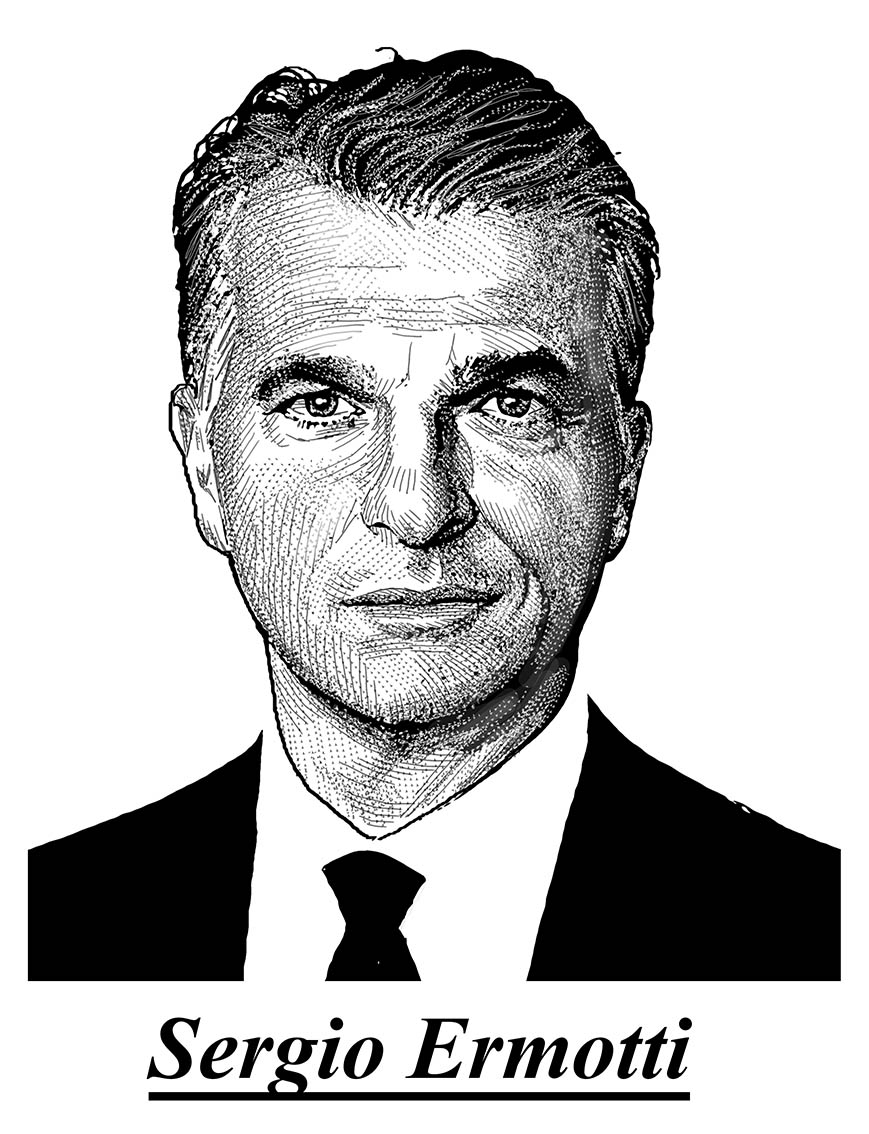
CEO Sergio Ermotti, a Swiss who returned to UBS in 2023 to lead the acquisition of Credit Suisse, is a bit more hesitant. When he took over UBS, he said he had a sense of "national duty" - though he has softened the nationalist rhetoric since the government began discussing the increase in capital requirements. "Both want to continue managing a global UBS from Switzerland, but acknowledged that a moment may come when this is no longer possible," the WSJ quoted a source familiar with the bank's view, adding that both the chairman and CEO are "fully aligned" on the problem.
Written by urgent.news from Brazil Journal's reporting — not their text. Machine-written — may contain errors; check the original before relying on it.