Nuclear safety risk grows: Russian-occupied nuclear plant’s cooling pond keeps sinking, Russia runs short of diesel and staff, Ukraine says
The occupied plant depends on a single external line, its fuel reserve has not been resupplied for months, and its cooling pond keeps dropping, according to Ukraine’s intelligence and the IAEA.
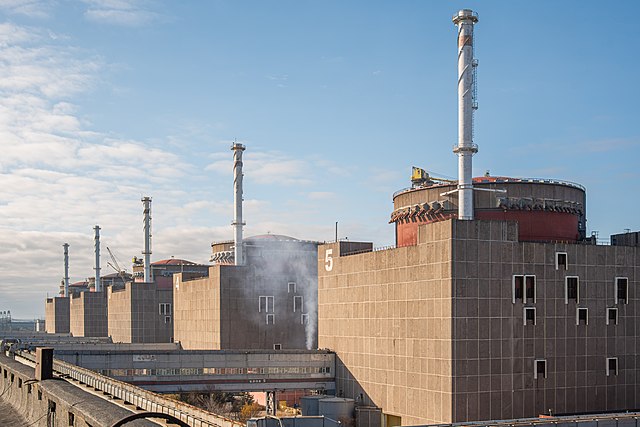
Ukraine's Defense Intelligence warns of escalating nuclear safety risks at the Russian-occupied Zaporizhzhia Nuclear Power Plant, where critical supplies are dwindling and qualified personnel are scarce. On October 12, the water level in the plant's cooling pond dropped to 12.27 meters, falling from 12.86 meters in July, while the plant requires a minimum of 15 meters to meet its needs fully.
The dwindling reservoir below the pond has shrunk since Russia demolished the Kakhovka dam in June 2023, depriving it of its original water source.
Ukraine's State Nuclear Regulatory Inspectorate reported that the pond has continued its decline since October 2023, falling below the optimal 16-meter benchmark. Current readings show the pond's level at 12.34 meters at the start of October. The International Atomic Agency (IAEA) has cautioned that dwindling diesel reserves could exacerbate nuclear safety risks should the plant lose power again, as it heavily relies on diesel generators as a backup.
The agency noted that only four out of 20 emergency generators can start automatically in a blackout, deviating from established practice.
The occupation administration lacks sufficient diesel to power the plant during an extended blackout, so reserves remain minimal. Russian managers are reportedly seeking covert fuel supplies, including substandard fuel, without notifying the IAEA. On October 16, the IAEA disclosed that the plant has been without diesel deliveries since March.
The facility has endured multiple blackouts since Russia seized control in 2022, with the most recent incident occurring on August 20 and the Dniprovska line remaining offline. The Kremlin's rejection of Ukraine's proposal to supply power through the Dniprovska line further heightens the nuclear safety risks.
Written by urgent.news from Euromaidan Press's reporting — not their text. Machine-written — may contain errors; check the original before relying on it.