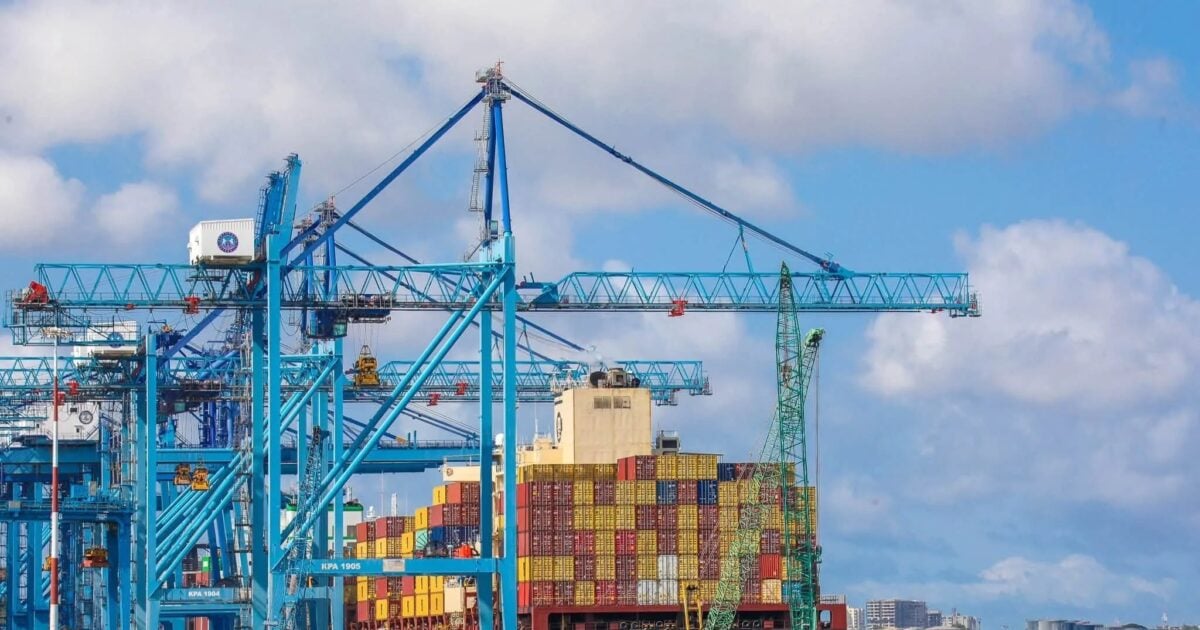
Non-Iran Middle East oil exports recover to prewar levels with Hormuz alternatives
Non-Iran Middle East oil exports have surpassed prewar levels as ships continued to transit through the Strait of Hormuz , a key route for global oil supplies, despite rise in attacks on vessels. The total oil flows, including shipments through Hormuz and alternative routes across the region, averaged more than 24.5 million barrels per day for the week ended October 18, surpassing the 24.4…
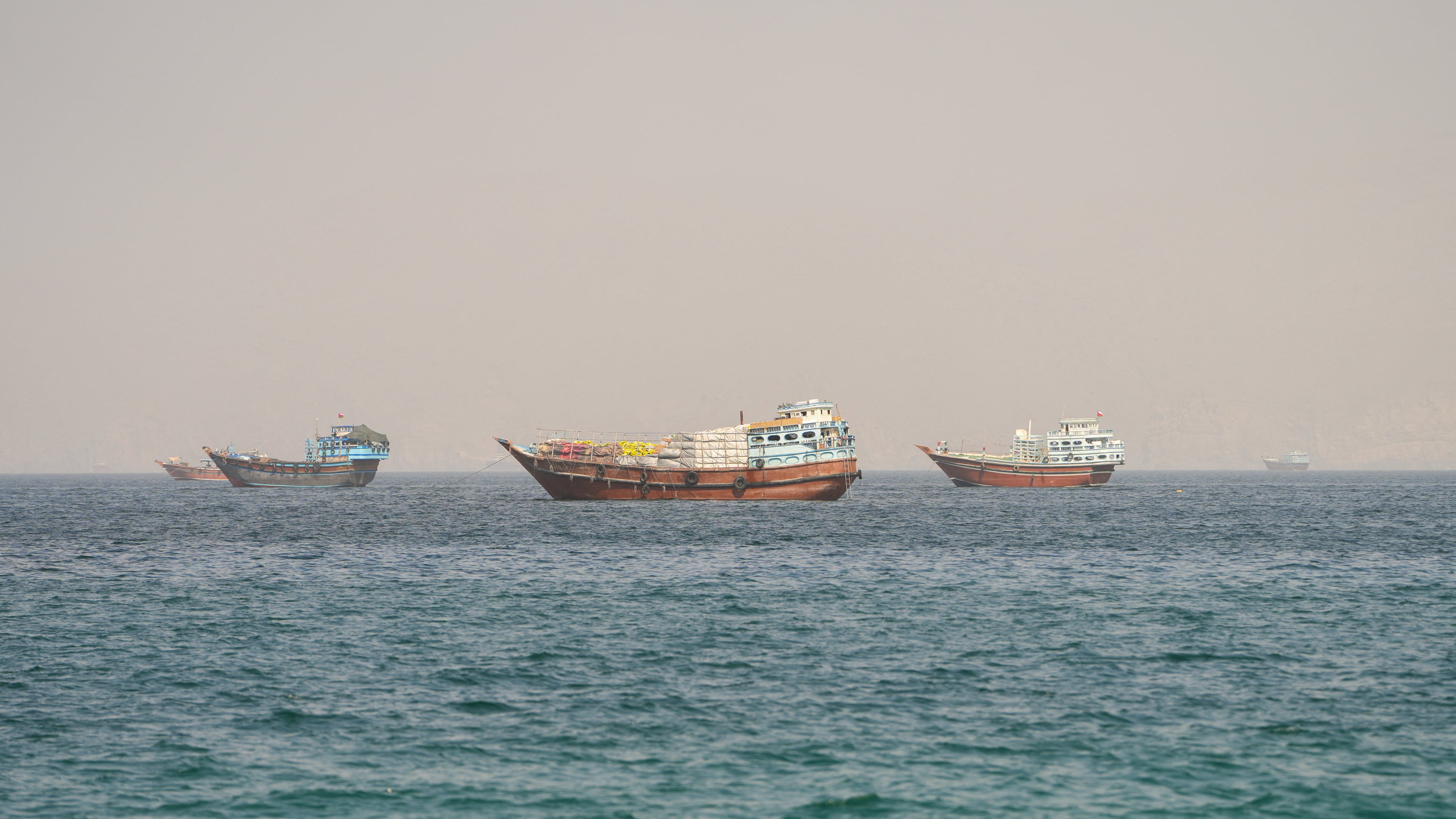
Non-Iran Middle East oil exports have returned to pre-war levels as vessels continue to navigate through the Strait of Hormuz, despite an increase in vessel attacks. The average oil flow, encompassing shipments through Hormuz and alternative routes across the region, reached over 24.5 million barrels per day during the week ending October 18, surpassing the 24.4 million barrels per day from the week before the Iran war commenced on February 28, according to preliminary data from Kpler.
This total includes Hormuz transits, Gulf of Oman ship-to-ship net exports, terminal loadings from Fujairah and Oman ports, as well as Red Sea exports, excluding Iranian exports. The data is an estimate and may vary depending on ship crossings at any given time.
The conflict between the US and Israel, which began on February 28, led Iran to retaliate by attacking Gulf neighbors and oil-carrying ships through the Strait of Hormuz, a narrow waterway in the Arabian Gulf. Although Iran has imposed a blockade on the strait since the conflict began, ships are still managing to transit through it.
Approximately 19 commodity vessels cross the strait daily in the past 10 days, similar to the pre-war average of more than 100 ships per day that utilized the channel, carrying oil, fertilizers, and refined products to global markets. However, Iranian attacks have forced ship owners to avoid the channel.
According to International Maritime Organisation data, there have been 116 attacks on ships up to October 20, resulting in 24 deaths since the conflict began. The intensity of attacks has recently increased. The US administration plans to allow sanctioned ships to pass through the Hormuz channel, which is anticipated to boost oil flows to global markets.
The "dark fleet," also known as the shadow fleet, consists of vessels that circumvent conventional shipping regulations and transport sanctioned or high-risk cargo by concealing it to evade detection. The US administration's plan involves investors purchasing and refurbishing idle vessels for legitimate oil transportation. Oil prices remain elevated amid the Middle East conflict, with Brent crude, a benchmark for two-thirds of the world's oil, trading above $110 a barrel as of 1:16 pm UAE time on Wednesday, while West Texas Intermediate, a gauge for US crude, neared $100 per barrel.
Written by urgent.news from The National Business's reporting — not their text. Machine-written — may contain errors; check the original before relying on it.