New Zealand FTA kicks in: Can zero tariffs boost India's exports? Which sectors stand to gain? Expert weighs in
India-New Zealand FTA could benefit exporters of engineering goods, automotive components, pharmaceuticals, textiles and processed foods. Protiviti India MD Saurav Kumar says zero-duty access could improve competitiveness, but sustained export growth will depend on pricing, quality, and logistics.
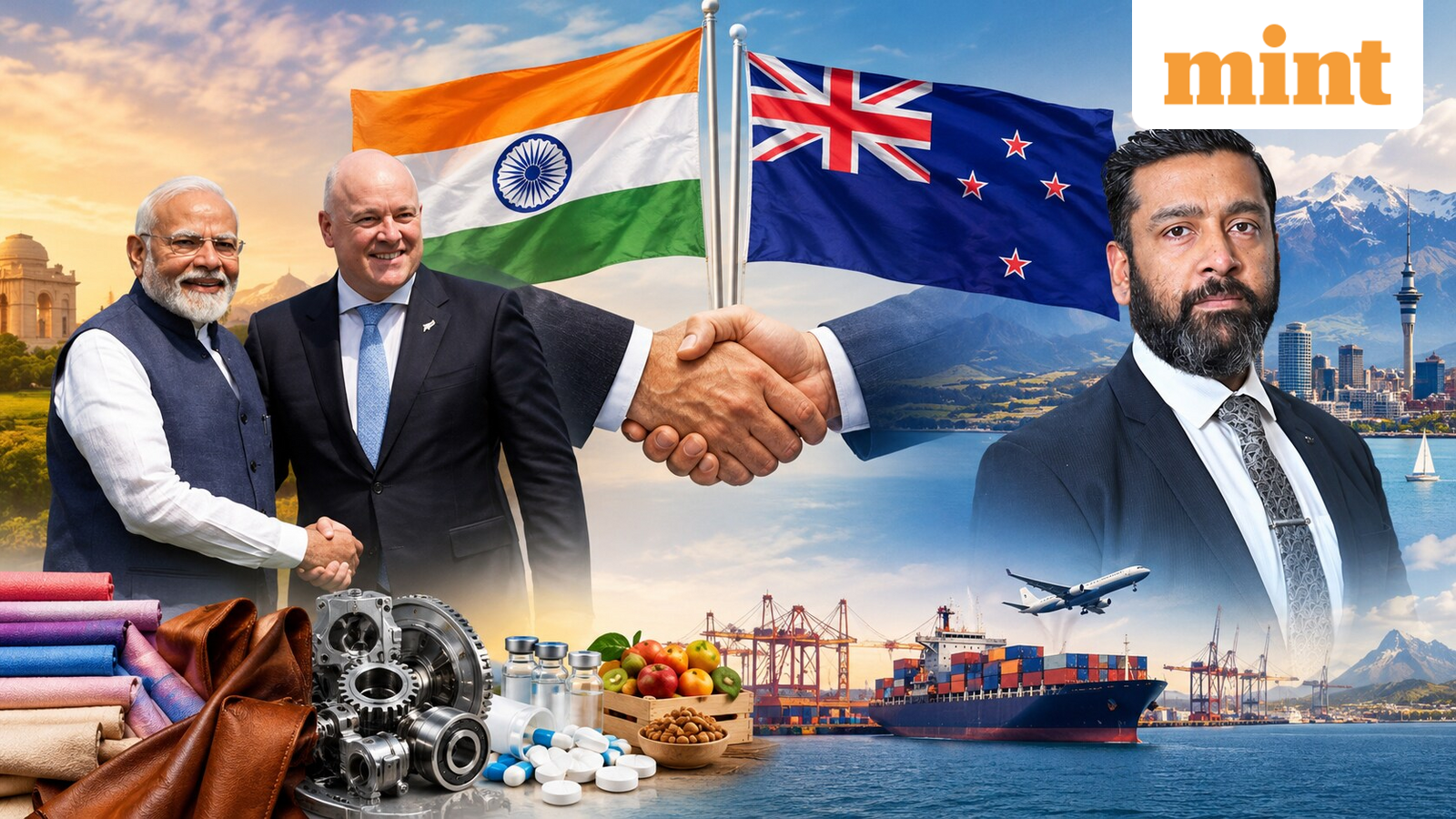
On October 20, India began its free trade agreement (FTA) with New Zealand, a move akin to "Vijay" for both nations according to Commerce and Industry Minister Piyush Goyal. The pact could potentially boost exports from sectors like engineering goods, automotive components, textiles, leather, and pharmaceuticals. However, experts like Saurav Kumar, managing director of Protiviti’s India member firm, warn that translating duty-free access into sustained export growth will depend on factors such as competitive pricing, regulatory compliance, and reliable supply chains.
Kumar suggests that sectors beyond textiles, leather, and engineering goods could also benefit, including automotive components, pharmaceuticals, processed foods, IT services, engineering consultancy, and digital solutions. While tariff concessions may improve price competitiveness, especially in tight-margin sectors, businesses must consider freight costs, shipment volumes, inventory management, certification, and local distribution to avoid losing the savings from tariff reductions.
New Zealand may serve as an attractive additional market for Indian exporters amid global trade uncertainty, but it will not replace larger export destinations.
Written by urgent.news from Live Mint's reporting — not their text. Machine-written — may contain errors; check the original before relying on it.