NCSA director general: International co-operation key to cybersecurity
Director General of the National Cyber Security Agency (NCSA) Ahmed Mohammed al-Mutawa al-Hammadi affirmed that the State of Qatar considers international co-operation a fundamental pillar of its cyb...
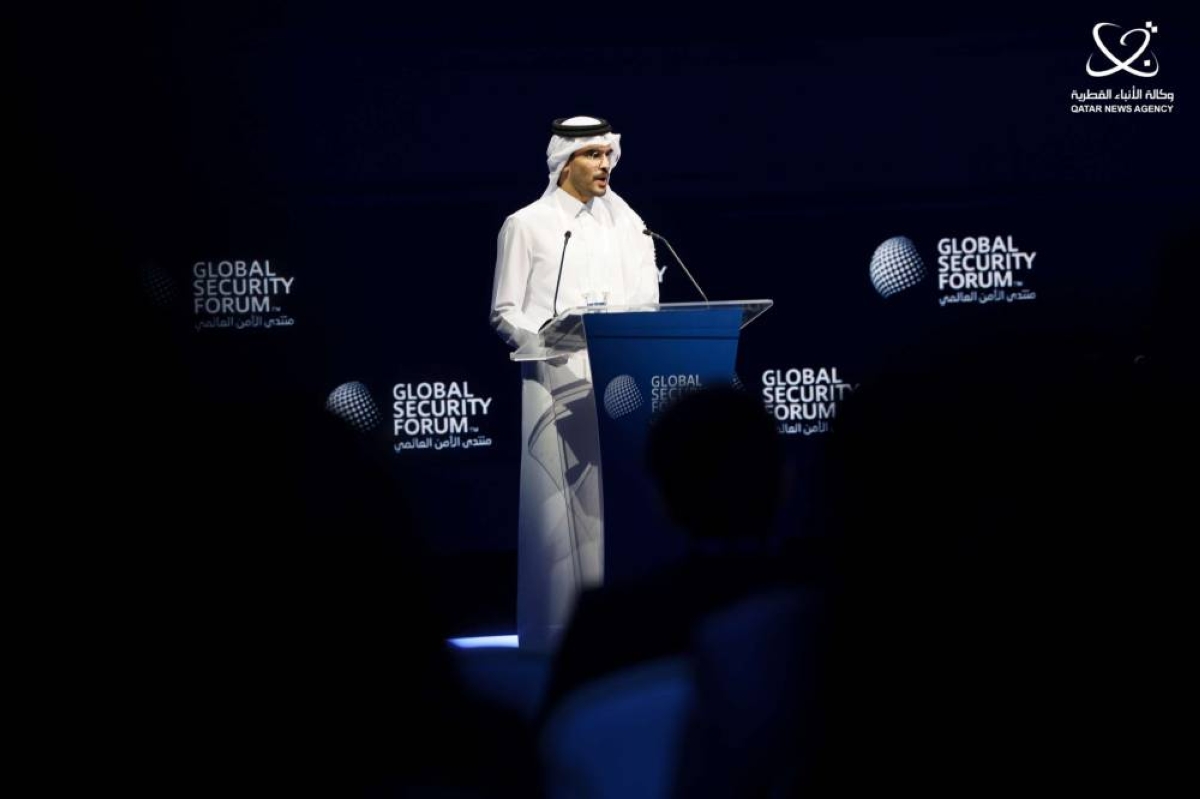
Ahmed Mohammed al-Mutawa al-Hammadi, the Director General of the National Cyber Security Agency (NCSA) in Qatar, emphasized during the Global Security Forum 2026 in Doha that international cooperation is a cornerstone of Qatar's cybersecurity strategy. He highlighted that discussions surrounding alliances and cooperation have gained unprecedented clarity and significance among nations in the current global landscape, which is transitioning towards a multipolar order.
The NCSA Director General underscored that with the rapid digitalization of vital functions and operations, and the integration of emerging technologies and artificial intelligence, nations are facing a set of strategic threats that could be leveraged for national advantage but also compound the risks to sovereignty and interests.
The adoption of these advanced digital tools and assets has heightened the complexity of cyberattacks, leading to an increase in automated attacks and threats that target supply chains. The NCSA Director General noted that the financial impact of cybercrime is now substantial, with global costs rising into the trillions of dollars, signaling a grave risk to global security interests.
Despite being a relatively new agency, the NCSA has successfully utilized international partnerships to bolster both national and international security. Bilaterally, it has established and implemented agreements with significant allies such as the United States, the United Kingdom, Saudi Arabia, and Singapore, areas in which the NCSA places great value.
Looking ahead, the Director General expressed a desire to forge additional agreements aimed at sharing insights and expertise in policy development, the protection of critical national infrastructure, building institutional and human capacity, and establishing cooperative frameworks based on executive and operational actions. Regionally, the NCSA collaborates within the frameworks of the Gulf Co-operation Council (GCC) and the Arab League to harmonize policies, strategies, and standards, as well as enhance operational cooperation, especially against persistent regional threats targeting critical infrastructure.
Internationally, the NCSA is an active participant in various organizations and initiatives dedicated to addressing cybersecurity issues, such as the United Nations’ global response mechanism, the Organisation of Islamic Co-operation, the International Telecommunication Union, and the Common Criteria framework. These collaborations aim to establish global standards, share best practices in policy and governance, and enhance cyber readiness through international capacity-building efforts.
The Director General stressed that the expansion of knowledge exchange and its effective application in national contexts directly contributes to a safer world in the digital age. He reiterated that the path to protecting national interests, safeguarding sovereignty, and promoting prosperity lies in leveraging all channels of dialogue and converting them into practical action, along with establishing integrated frameworks for the implementation of cooperative initiatives.
Rewritten by urgent.news; may contain errors — check the original.